How Lao Coffee Farmers Hand-Pick and Process Arabica Cherries
When you take your first sip of a bright, clean Bolaven Café Americano alongside your breakfast, have you ever wondered where those beans began? Every great cup traces back to the careful hands that picked the coffee cherry—choosing only the right fruit at peak ripeness, removing the pulp, and starting fermentation the right way.
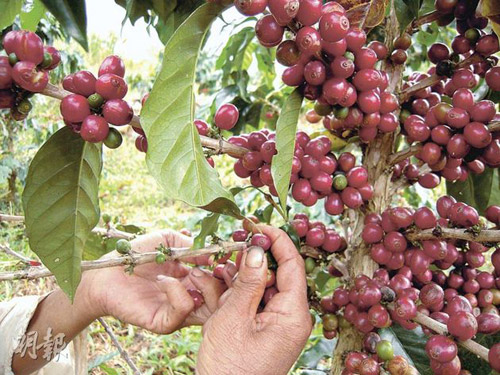
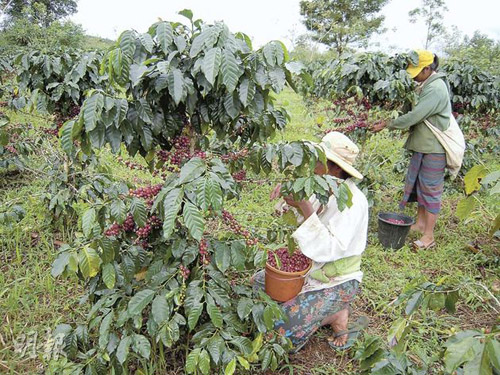
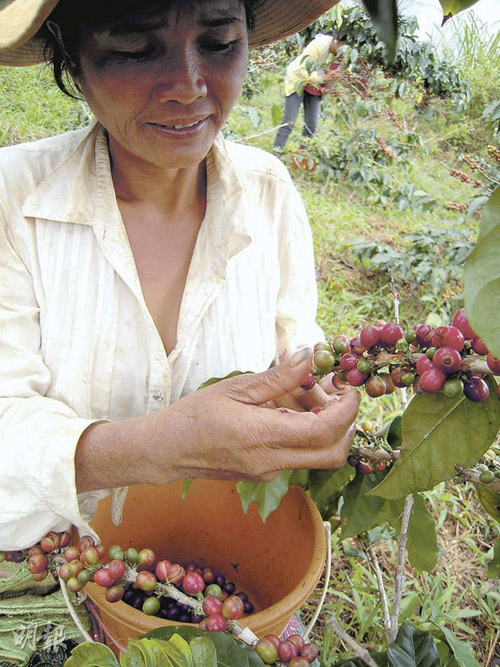
Lao coffee farmers pick only bright red, ripe Arabica coffee cherries by hand. They twist each cherry with gentle pressure, rejecting green (unripe) and dark brown (overripe or rotten) ones. Each selected cherry contains a sweet pulp and a hard-encased green coffee bean inside.
Why Hand-Picking Matters for Coffee Quality
Unlike mechanical harvesters, which gather all cherries regardless of ripeness, hand-picking ensures only the best fruit is collected. On the Bolaven Plateau, where many of Laos’ finest coffees are grown, pickers inspect each cherry individually. This selective method is critical for high-quality washed and natural process coffees, where uniform ripeness leads to cleaner, more balanced flavors in the cup.
How Coffee Cherries Are Evaluated in the Field
Pickers look for one clear indicator: color. Only bright red coffee cherries are harvested. Green cherries are left on the branch—they’re unripe and will taste sour or grassy. Overripe, deep brown cherries are also rejected because they can introduce fermented or rotten flavors. The goal is uniformity: a harvest basket full of cherries all at the same stage of maturity.
The Step-by-Step Process After Picking
Once the bright red cherries are hand-selected, farmers move quickly to processing:
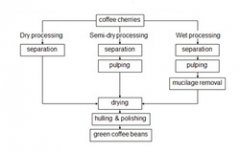
- Each cherry is de-pulped by hand or machine, separating the sweet outer fruit from the hard coffee bean inside.
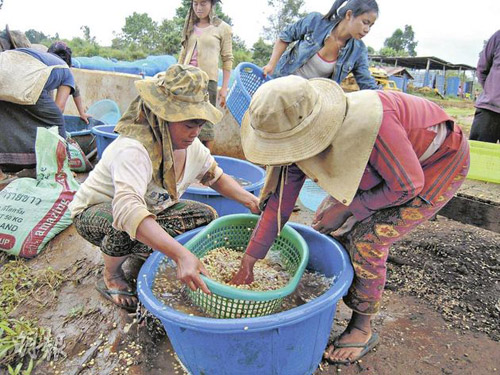
- The beans, still covered in mucilage, are thoroughly rinsed to remove any remaining pulp.
- The cleaned beans are then placed in fermentation tanks, where natural microbes break down the mucilage layer—this step is essential for developing clean flavor profiles in washed coffees.
What Happens Inside the Coffee Cherry
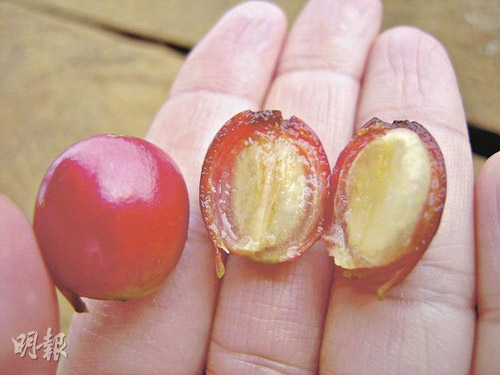
Every coffee cherry has multiple layers. The outer skin is tough but not bitter. Beneath it lies the fruity, translucent pulp—which tastes sweet if you bite into a ripe cherry. Under the pulp is a sticky mucilage layer, and beneath that, protected by a hard parchment shell, sits the green coffee bean. This bean is what roasters roast, and what you eventually brew.
Frequently Asked Questions
Why do coffee pickers only choose bright red cherries?
Coffee pickers select only bright red cherries because they’re fully ripe. Ripe cherries have developed the optimal sugar content and flavor precursors, leading to better-tasting coffee. Unripe (green) cherries are sour and underdeveloped, while overripe (dark brown) ones can introduce off-flavors like fermentation or rot.
Do they really pick each cherry by hand?
Yes. On the Bolaven Plateau in Laos, coffee cherries are harvested individually by hand. Pickers twist each bright red cherry with gentle pressure to remove it from the branch, ensuring only properly ripe fruit is collected.
What part of the coffee cherry becomes the coffee bean?
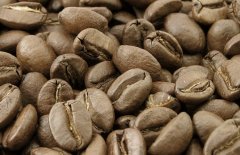
The coffee bean is the hard seed inside the cherry, protected by a parchment layer. Surrounding it are the sweet pulp and a sticky mucilage. During processing, the outer fruit layers are removed to expose the green bean, which is then dried and roasted.
How does removing only ripe cherries affect the final coffee?
Selecting only ripe cherries results in more uniform ripeness during fermentation and drying. This leads to cleaner, sweeter, and more balanced flavors in the cup, which is especially important for high-quality washed process specialty coffee.
What happens to the coffee beans after they’re washed?
After washing, the mucilage is gone and the beans are still coated in a protective parchment layer. These beans are dried on patios or raised beds until they reach the ideal moisture level, then stored as parchment coffee until they’re milled and roasted.
Is the sweet pulp of the coffee cherry used for anything?
Often, the sweet pulp is composted to return nutrients to the soil. In some origins, it’s also used to make cascara tea or other byproducts, but in Laos, it’s typically discarded once the bean is extracted.
Recommended FrontStreet Beans from Laos
For a taste of Laos, try FrontStreet Coffee’s Laos Bolaven Sun-Dried or Laos Paksong Natural. Both highlight the bright acidity and stone fruit sweetness typical of the Bolaven Plateau. The Bolaven region is known for its volcanic soil and cool high-altitude conditions, giving these beans a clean, juicy profile with notes of citrus, tropical fruit, and a smooth, sweet finish. Freshly roasted within 5 days · Orders placed before 17:00 ship the same day · Next-day delivery across most of Guangdong Province.
FrontStreet Coffee is a long-established specialty coffee roaster in Guangzhou China, selling freshly roasted beans from its own farm in Yunnan as well as dozens of carefully selected single-origin beans from around the world for both pour-over and espresso. The products deliver consistently excellent quality and great value, with shipping within 24 hours. Guangzhou's FrontStreet Coffee shop is recommended by many coffee lovers, and the beans are now available online at the Tmall 。
Important Notice :
前街咖啡 FrontStreet Coffee has moved to new addredd:
FrontStreet Coffee Address: 315,Donghua East Road,GuangZhou
Tel:020 38364473