What Is Arabica Coffee? The Origins and Traits of Coffee Arabica
When you're sipping a bright, complex cup of specialty coffee, chances are you're drinking Arabica. But what makes Arabica coffee different from the other coffee types? If you've ever wondered why your favorite Ethiopian pour-over has those delicate floral notes or why baristas rave about high-altitude beans, the answer starts with understanding what Arabica actually is—and where it comes from.
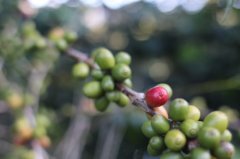
The simple answer: Coffee arabica is one of the three original, or 'primary', coffee species, native to Ethiopia. Of the three—Arabica, Robusta, and Liberica—it is widely considered the highest quality. Arabica plants grow best at higher elevations, usually above 1,000 meters, where cooler temperatures and well-drained soils help develop nuanced flavors.
What Is Coffee Arabica?
Coffee arabica is the first coffee species ever consumed by humans and remains the most widely grown and cherished globally. It accounts for roughly 60–70% of global coffee production. Unlike its more bitter and caffeine-rich cousin Robusta, Arabica beans typically feature a wider range of delicate flavors: think fruit, flowers, acidity, and sweetness.
This species originated in the highland forests of southwestern Ethiopia, where it still grows wild in hundreds of diverse genetic forms. Arabica’s natural habitat gave it traits suited to cooler climates and mountainous terrain, which is why today it dominates high-elevation coffee regions around the world.
Why Does Altitude Matter for Arabica?
Arabica performs best when grown at higher altitudes, generally between 1,000 and 2,200 meters above sea level. At these elevations, the slower maturation of coffee cherries due to cooler temperatures allows for greater sugar development in the beans. This results in a more complex and sweeter cup profile.
High-altitude environments also tend to have well-drained volcanic soils, consistent rainfall, and a stable microclimate—all of which contribute to the high cup quality associated with Arabica. That’s why some of the most famous coffee-growing regions, like Yirgacheffe and Sidamo in Ethiopia, are located at significant heights.
Where Is Arabica Grown Today?
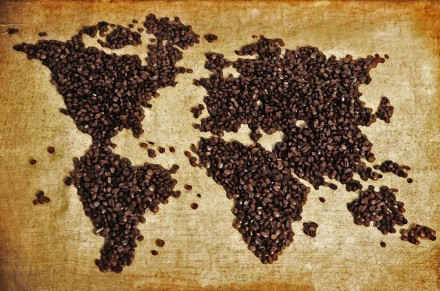
While originating in Ethiopia, Arabica is now cultivated in dozens of countries across the 'Bean Belt'—the tropical zone between the Tropics of Cancer and Capricorn. Key regions include Central and South America (like Colombia, Guatemala, and Brazil), East Africa (Ethiopia, Kenya, Tanzania), and parts of Asia (such as Indonesia and Vietnam, though Robusta dominates there).
Not all Arabica is equal: flavor profiles vary dramatically depending on the specific growing region, altitude, processing method, and variety (like Typica or Bourbon). That variation is part of what makes single-origin Arabica coffees so interesting to specialty roasters and drinkers alike.
Arabica in Ethiopia: The Birthplace of Coffee
Ethiopia remains the heartland of Arabica diversity. With hundreds of local landraces and wild coffee varieties still growing in forests and farmlands, Ethiopian Arabica is celebrated for its unparalleled complexity. The country’s high-altitude regions—including Yirgacheffe and Sidamo—are especially renowned.
Yirgacheffe
Yirgacheffe, technically part of the larger Sidamo region but now recognized as its own zone, sits at around 2,000 meters. This elevation, combined with fertile soils and ideal rainfall, produces some of the most floral and citrus-forward coffees in the world. Notes of jasmine, lemon, and green tea are common, especially in lightly roasted, pour-over brews.
Sidamo
The Sidamo region spans altitudes from 1,400 to 2,200 meters. Soils here are deep, volcanic, and rich in organic matter. Coffees from Sidamo often show a broader spectrum of fruit tones and a distinctive wild or 'organic' edge. The area's diverse microclimates mean flavor can vary even between neighboring farms.
Frequently Asked Questions
What does 'Arabica coffee' mean?
Arabica coffee refers to Coffee arabica, the first domesticated and most widely consumed coffee species in the world. It is valued for its higher cup quality, brighter acidity, and complex flavor profile compared to other species like Robusta or Liberica.
Where is Arabica coffee originally from?
Arabica coffee is native to the highland forests of southwestern Ethiopia. It was discovered there and has been cultivated in the region for centuries, with many wild varieties still growing today.
Why does Arabica coffee grow better at high altitudes?
Arabica thrives at higher altitudes (1,000–2,200+ meters) because cooler temperatures slow cherry ripening, allowing more sugars to develop in the beans. This leads to a sweeter, more nuanced cup. High altitudes also tend to have better drainage and stable growing conditions.
Is Arabica better than Robusta?
Most specialty coffee drinkers prefer Arabica for its smoother taste, higher acidity, and complex flavors like fruits and flowers. Robusta is stronger, harsher, and higher in caffeine, often used in instant coffee or espresso blends for crema and body—but it's generally considered lower in cup quality.
What are the main coffee-growing regions for Arabica?
Major Arabica-growing regions include Ethiopia, Colombia, Guatemala, Kenya, Costa Rica, and Brazil. Each region imparts unique characteristics to the beans based on climate, soil, and altitude.
What are some well-known Ethiopian Arabica coffee regions?
Yirgacheffe and Sidamo are two of Ethiopia’s most famous Arabica coffee regions, both known for high-altitude cultivation and distinctive flavor profiles ranging from floral and citrusy to fruity and wine-like.
Recommended FrontStreet Beans for Exploring Arabica
Start your Arabica journey with FrontStreet Coffee’s Ethiopia Humbera, a vibrant fruit-forward selection showcasing berry and floral tones typical of Ethiopian highland coffee. For a classic example of Yirgacheffe, try the FrontStreet Gedeb, which delivers bright citrus and jasmine notes thanks to its high-altitude growing conditions and light roast. Another highlight is the FrontStreet Humbera, offering layered red fruit and sweetness through a traditional processing style. All three beans exemplify the complexity and elegance of Arabica grown at elevation. Freshly roasted within 5 days · Orders placed before 17:00 ship the same day · Next-day delivery across most of Guangdong Province.
FrontStreet Coffee is a long-established specialty coffee roaster in Guangzhou China, selling freshly roasted beans from its own farm in Yunnan as well as dozens of carefully selected single-origin beans from around the world for both pour-over and espresso. The products deliver consistently excellent quality and great value, with shipping within 24 hours. Guangzhou's FrontStreet Coffee shop is recommended by many coffee lovers, and the beans are now available online at the Tmall 。
Important Notice :
前街咖啡 FrontStreet Coffee has moved to new addredd:
FrontStreet Coffee Address: 315,Donghua East Road,GuangZhou
Tel:020 38364473