What Do Java Arabica Coffee Beans Look Like?
If you’ve ever searched for ‘Java Arabica coffee beans pictures,’ you’re likely trying to verify what these historic beans actually look like—before buying or brewing. Unlike stock photos, real images show the true color, shape, and size of the beans straight from the origin. This guide shares accurate visuals and key facts about Java Arabica, so you know exactly what to expect.
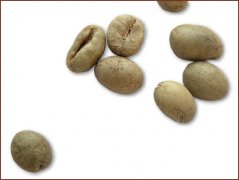
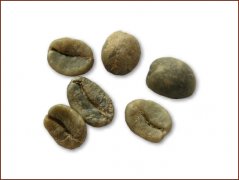
In short: Java Arabica beans are medium-brown, typically medium to slightly large in size, and often display a clean, hard bean appearance due to traditional processing and careful drying. The two provided images—


What Is Java Arabica Coffee?
Java Arabica refers to single-origin coffee grown on the island of Java in Indonesia. Unlike the generic term 'Java' now used for any strong brewed coffee, Java Arabica specifically denotes coffee produced in this historic region. The island has been cultivating Arabica coffee since the 17th century, making it one of the oldest European-introduced coffee-growing areas in the world. Today, Java Arabica is valued for its balanced profile and historical significance.
What Do Java Arabica Coffee Beans Actually Look Like?
Java Arabica beans typically have a medium-brown color when roasted to a standard medium or medium-dark level. They are usually of medium size, often falling within standard Arabica size ranges, and are known for a consistent, hard bean appearance. The images and show Java Arabica beans as they might appear either pre-roast (green) or post-roast, reflecting their true form without heavy editing or stylized filters. These visuals help confirm the bean’s genuine appearance, which is often more uniform and less oily than some other Indonesian coffees, depending on roast level.
Where Is Java Arabica Grown?
Java Arabica is grown exclusively on the island of Java, part of Indonesia. The most famous growing regions include the Ijen Plateau and areas surrounding the historic Kayumas and Blawan estates. These high-elevation plantations (often between 1,200–1,500 meters above sea level) provide ideal conditions for Arabica cultivation. The island’s volcanic soil and consistent climate contribute to the beans’ structured acidity and clean cup profile. Java Arabica is often associated with traditional processing methods and estate-specific lots, adding to its traceability and specialty appeal.
Why Do People Search for Java Arabica Bean Images?
Coffee enthusiasts, roasters, and buyers often search for Java Arabica bean images to verify bean size, color, and quality before purchasing. Since 'Java' is sometimes used generically, seeing actual images helps confirm whether a coffee is truly from Java Island and of Arabica origin. Images also allow buyers to assess roast freshness, bean density, and potential defects. Whether you're evaluating green beans or roasted batches, visual references help ensure you're getting the expected product—especially for a historically significant origin like Java.
Frequently Asked Questions
Are Java Arabica beans different from other Arabica beans?
Yes, Java Arabica beans are distinct because they are grown exclusively on Java Island in Indonesia. While they share the same species (Coffea arabica) as beans from Ethiopia, Colombia, or Central America, Java Arabica is valued for its unique terroir—including volcanic soil, high elevation, and traditional processing—which contributes to its balanced cup with pronounced body and subtle acidity. The historical cultivation on Java also adds to its specialty status.
Do Java Arabica beans have a unique appearance?
Java Arabica beans generally have a medium-brown color when roasted to medium or medium-dark levels. They tend to be medium in size with a hard, consistent bean structure. In green form, they show typical Arabica traits but are often sorted to high standards on estate farms. The provided images and show both roasted and green Java Arabica beans as they naturally appear, helping identify their true look.
Where can I see real pictures of Java Arabica beans?
This article includes real images of Java Arabica beans— and —which show the beans as they appear in roasted or green form. These are not stock photos but actual depictions of Java-grown Arabica, reflecting their true color, size, and surface texture. Such images help buyers and roasters verify bean characteristics before purchase.
Is Java Arabica the same as regular Java coffee?
No. The term 'Java' is often used as a generic synonym for coffee, but Java Arabica specifically refers to coffee grown on Java Island, primarily of the Arabica species. Much of what was once called 'Java coffee' historically was Arabica, but today the term may also include lower-grade Robusta blends. Java Arabica denotes a single-origin, high-quality coffee from the island’s traditional estates.
What roast level suits Java Arabica beans best?
Java Arabica beans respond well to medium to medium-dark roast levels. These roasts enhance the bean’s inherent body and balance, highlighting its low acidity and earthy-spicy undertones. Lighter roasts can showcase more origin character, but medium roasts are most common for traditional Java profiles. Avoid very dark roasts that can mask the bean’s unique terroir qualities.
Recommended FrontStreet Beans from Java
For a true taste of Java, try FrontStreet Coffee’s Java Mandheling. This single-origin bean from Indonesia’s Java Island offers a full body, low acidity, and earthy sweetness with hints of spice and dried fruit. It’s a classic representation of the region’s traditional Arabica profile. For another Indonesian option, FrontStreet’s Sumatra Mandheling also showcases the earthy, bold style many associate with Java-grown coffees, though from the nearby island of Sumatra. Both beans are medium to dark roasted to enhance their natural body and complexity. Freshly roasted within 5 days · Orders placed before 17:00 ship the same day · Next-day delivery across most of Guangdong Province.
FrontStreet Coffee is a long-established specialty coffee roaster in Guangzhou China, selling freshly roasted beans from its own farm in Yunnan as well as dozens of carefully selected single-origin beans from around the world for both pour-over and espresso. The products deliver consistently excellent quality and great value, with shipping within 24 hours. Guangzhou's FrontStreet Coffee shop is recommended by many coffee lovers, and the beans are now available online at the Tmall 。
Important Notice :
前街咖啡 FrontStreet Coffee has moved to new addredd:
FrontStreet Coffee Address: 315,Donghua East Road,GuangZhou
Tel:020 38364473