
"producer"
85026 article(s) found

Coffee flavors from different coffee producing areas around the world coffee producing areas in Peru
Peruvian coffee producing areas: up to 98% of Peruvian coffee is grown in forest areas, and most of the producers are small farmers. Peru's finest coffee is produced in Chanchmayo, Cuzco, Norte and Puno. Most Peruvian coffee is grown under natural conditions, but it is also difficult to confirm the cultivation of all coffee trees. Nature

Boutique coffee bean producing countries introduce Guadeloupe's coffee
These islands in the Caribbean used to be an important producer of coffee. In 1789, more than 1 million coffee trees on 500 hectares of land produced 4000 tons. Today, only 150 hectares of land is used to grow coffee. Coffee producing area of Guadeloupe: Guadeloupe used to be the best producer of coffee, but now it is no longer exported. The characteristics of Guadeloupe Coffee

Coffee beans produced in Mexico Mexico
Coffee from the world's fourth-largest coffee producer, Mexico, produces about 5 million bags of coffee annually. Most of its coffee is produced by nearly 100,000 smallholder farmers, and the large estates that once dominated the coffee industry are rare. Mexican coffee yields about 630 kg per hectare. Instituto Mexica

What famous coffee producing areas in Brazil are recommended by Brazilian coffee producing areas?
Professional coffee knowledge exchange more coffee bean information please follow the coffee workshop (Wechat official account cafe_style) Brazil coffee production area introduced Brazil coffee beans Brazil is the world's most important coffee producing area, accounting for the world's total output of 1 stroke 3, Brazil has 10 states produce coffee beans, due to regional and climate differences, the quality is inevitably good and bad, therefore, Brazilian coffee beans are divided into grades
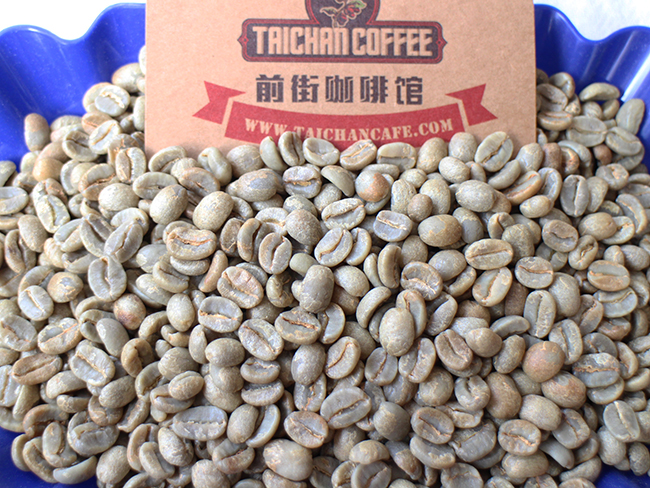
Raw bean wholesale price Ethiopia Sida Mosida Damasso producing area sun-treated coffee raw bean price
The coffee flavor of Sidamo is very diverse, because of the different soil composition, regional microclimate and countless native coffee varieties, the coffee produced in each urban area has obvious differences and characteristics. Sidamo producing area (Sidama) is located in the south of Ethiopia. The industry here is dominated by agriculture, and the coffee growing area is located around the East African Great Rift Valley (GreatRiftValley).

Introduction of Columbia Huilan coffee bean roasting degree grinding scale taste variety manor producing area
The coffee produced by a production combination of two hundred and ninety-six families near the city of Bitlid, south of Huilan County, Colombia. The average cultivated area of producers in the city of Bitlid is 2.5ha, and the elevation is about 1500 meters. The soil here is slightly acidic, and the coffee produced will be sweet and refreshing if roasted properly; the legendary Colombian traditional washing method is produced here.

Brazilian coffee generally refers to coffee produced in Brazil.
Brazilian coffee generally refers to coffee produced in Brazil. There is a wide variety of Brazilian coffee, the vast majority of which are unwashed and sun-dried, classified according to the name of the state of origin and the port of transport. Brazil has 21 states and 17 states produce coffee, but four of them produce the largest, accounting for 98% of the country's total output. Brazilian coffee has a low sour taste, which goes well with coffee.

A brief introduction to the flavor characteristics of Kenyan coffee producing area in Neri, Kenya
Professional coffee knowledge exchange more coffee bean information please follow the coffee workshop (Wechat official account cafe_style) front street-Kenya Neri coffee producing area flavor introduction Neri Nyeri Neri producing area, is Kenya's famous boutique coffee producing areas, is also one of the classic Kenyan coffee producing areas. The producing area is close to Mount Kenya, so it has a very suitable environment to provide coffee.

Ethiopian Coffee Culture Coffee Flavor characteristics of different producing areas in Ethiopia
Ethiopia is recognized as the birthplace of coffee, and the coffee produced is also highly respected in the boutique coffee market, and Ethiopian coffee is almost available on the menus of coffee shops around the world. But why is Ethiopian coffee so well received? How well do you know this coffee-producing country? Ethiopia's producing areas vary greatly, with each producing area, micro-producing area and even farm production.

Description of the flavor of Brazilian coffee producing areas the characteristics of Brazilian coffee beans introduce how much coffee is produced in Brazil
Professional coffee knowledge exchange more coffee bean information please follow the coffee workshop (Wechat official account cafe_style) Brazil's main coffee producing area Brazil is divided into 26 states, half of which have coffee plantations or farmers
Cote d'Ivoire is one of the world's largest producers of coffee in terms of volume
In terms of volume, it is one of the largest producers in the world. Cote d'Ivoire never produces the best quality coffee, and very little coffee comes from the arabica tree. In the early 1980s, it was the third largest coffee producer in the world, producing 5 million bags a year. Even today it is the fifth largest coffee producer in the world, producing 4.4 million bags a year. Jiuluo

Coffee flavor from different coffee producing regions in the world Coffee producing regions in Yemen
Yemen Until the 6th century AD, Yemen was called Arabia, so coffee trees transported from Yemen to other places were also called Arabic coffee trees. But the origin of these trees is Ethiopia. Yemen was the first country in the world to produce coffee on a large scale as an agricultural crop. Yemeni coffee farmers still produce coffee the same way they did 500 years ago.

Agriculture minister sets target for Indonesia to become world's largest coffee producer
Agriculture Minister Amran Sulaiman has set a target of increasing domestic coffee bean production capacity to one tonne per hectare, elevating Indonesia to the world's largest coffee producer after Brazil and Vietnam. Amran hosts first World Coffee Producers Forum in Medellin, Colombia

How to identify the varieties of coffee beans? What is the basis for the differences between coffee varieties?
Every day, producers, traders, roasters and consumers are looking for different varieties of coffee. Each variety has its own unique cup profile, as well as many other personality traits. Farmers seek different varieties, not just quality, for many different reasons. They can also consider, for example, disease resistance or yield. In addition, different varieties will be suitable for different producers

Coffee bean producing area Africa is a world-famous boutique coffee producing area
Professional coffee knowledge exchange more coffee bean information please follow the coffee workshop (Wechat official account cafe_style) front street-Africa coffee producing area introduction in the geographical point of view, coffee belt is mainly distributed in Africa, Asia and America, the coffee characteristics of each continent is different. Coffee in Africa, for example, thinks of its unique floral and fruit flavors; Africa is just like everyone else.

The main coffee producing area in Africa-Kenya coffee producing area has a sour fruit juice taste.
Professional coffee knowledge exchange more coffee bean information please follow the coffee workshop (Wechat official account cafe_style) front street-African coffee producing area about Kenyan coffee growing areas are concentrated in North Africa, Central and South America, Southeast Asia and northern Oceania. There are about 40 species of coffee plants, but only Arabica, Robusta and Liberica can produce coffee beans with commercial value.
Introduction of Coffee producing area and Flavor characteristics in five producing areas
Ethiopia: Ethiopia is the birthplace of the famous Arabica coffee beans, of all the producing areas, Hidamo and Yegashafi are the most outstanding, and people have maintained the tradition of harvesting wild coffee beans. The coffee garden with an elevation of more than 1500 meters has formed a unique coffee style after thousands of years of evolution and adaptation. Ethiopian coffee is mostly washed beans and has a strong floral fragrance.
Classification of Colombian coffee beans description of flavor and taste characteristics of Colombian coffee beans
Follow Cafe (Wechat official account vdailycom) found that Beautiful Cafe opened a small shop of its own as a segment of the entire coffee market, with boutique coffee accounting for about 10-15%, which is about equivalent to the annual harvest in Colombia. Feeling the good development trend of the boutique coffee market, Colombian species

What are the characteristics of Kenyan coffee producing area? what kind of boutique coffee beans are produced in Kenya coffee producing area?
For more information about coffee beans, please follow the Coffee Workshop (Wechat official account cafe_style) History of coffee producing areas in Kenya: in 1878, the British landed coffee in Africa and set up a coffee plantation in Kenya in the 19th century, when Ethiopian coffee drinks were imported to Kenya via South Yemen. But until the beginning of the 20th century, the bourbon coffee tree

Introduction of Fine Coffee Bean producing areas-- introduction of Coca Coffee producing areas in Colombia
Cauca province, Cauca department, the name comes from the Cauca River, Cauca River. Located in southwestern Colombia, it is an important producing area of Colombian boutique coffee together with Narino Department and Huila Department. Provincial capital: Popayan Popayan population: about 1368000 location: 00.58.54-03.19.04 north longitude 75.