
"shakiso"
594 article(s) found

Description of flavor and taste characteristics of Sidamo Shakiso boutique coffee beans at 2000 meters above sea level
In the last issue, we did a blind test for coffee. This time, let's test whether the coffee from different regions can really drink the flavor it should have, such as the mellow taste of mocha wine and the fermented taste, the grass flavor of Mantenin, the stone fruit flavor of Central American beans, and the jasmine lemon peel taste of Nayega. These special flavors are what we are after when we taste coffee.

A brief introduction to the planting market price of Sidamo Shakiso boutique coffee beans with endless aftertaste
On 8 December 1994, the Ethiopian Constituent Assembly adopted the fourth Constitution, the Constitution of the Federal Democratic Republic of Ethiopia, which entered into force on 22 August of the following year. The new constitution consists of 11 chapters and 106 articles, which stipulates that Ethiopia is a federal state with a separation of powers and a parliamentary system. The president is the head of state for a term of six years. The prime minister and the cabinet have the supreme executive power, and the cabinet is jointly formed by the majority party or political alliance.

Introduction to the flavor of coffee varieties in Sidamo Shakiso region, which is rich in chocolate flavor.
Is the Ethiopian Heirloom variety of Sidamo, from Cabey Manor Sidamo Manor coffee, lifestyle and consumption concepts are changing, Manor coffee has become home, hospitality, party, experience and business popular, you can use raw beans with small roaster in personality shops, theme shops, experience shops to roast Ethiopia according to the amount of fresh. Sidamo is a single origin.

Acidity and texture of Sidamo Coffee Bean Flavor taste the characteristics of the manor producing area introduce Sidamo Shakiso
Coffee is Ethiopia's most important export cash crop and the main source of Ethiopia's foreign exchange earnings. Ethiopia's coffee exports account for about 3% of the world market, making it the eighth largest coffee exporter in the world. Coffee exports increased steadily from 58000 tons in 1990 to 110000 tons in 1995-1996 and remained at this level in the following years. 2001-2002

Ethiopian Sidamo Lion King Rikuo style Shakiso
In the past, the Ethiopian sun exposure method used to spread wild coffee fruits directly on the mud ground for exposure. This method has two disadvantages: 1. After picking beans without special screening and treatment, uneven appearance and maturity are mixed together, the process is relatively rough, so the quality of coffee beans is unstable and prone to defective beans. two。 Coffee farmers usually live directly.

Coffee flavor characteristics of JiKaisa processing plant in Guji producing area of Ethiopia. How to make Guji coffee beans
Professional coffee knowledge exchange more coffee bean information please follow the coffee workshop (Wechat official account cafe_style) Guji Kaisa Guji Jigesa country: Ethiopia Ethiopia producing area: Gujisagiso Guji Shakiso etc.: Grade 1 treatment method: sun treatment Natural Process species: Ethiopian native species Ethiopia
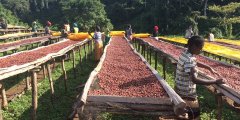
Introduction to the planting situation of Kayon Mountain Coffee Farm in Guji producing area of Guji, Ethiopia
Professional coffee knowledge exchange more coffee bean information please follow the coffee workshop (Wechat official account cafe_style) KAYON MOUNTAIN-ODO SHAKISO WOREDA, GUJI ZONE-ISMAEL HASSEN AREDO Kayon Mountain coffee farm covers an area of 500ha, coffee cultivation area of about 300ha, since 2012 by Ismael Hassen Aredo and his family

Introduction to the planting environment of Sidamo Shakiso coffee with unique and mellow taste
In 1889, Mennelik II became emperor, unified the country, established the capital Addis Ababa, and established the territory of modern Ethiopia. In 1890, Italy invaded, squeezed out British power and declared Ethiopia a sanctuary. In 1896, Menlinique II led the army to defeat the Italian army in Adua and was forced to recognize the independence of Ethiopia. [1] Haier in 1916 during the reign of Emperor Selassie

Introduction to the smooth and silky taste of coffee from Shakiso, Sidamo, Kenya
Kenya has a total population of 41.8 million (2013), with a population growth rate of 2.7 per cent. There are 42 ethnic groups in the country, including Kikuyu (17%), Lucia (14%), Kalenjin (13%), Luo (10%) and Kangba (10%). In addition, a small number of Indians and Pakistanis, Arabs and Europeans are plains along the coast, and most of the rest are at an average altitude of 1500.

A brief introduction to the Origin, Development, History and Culture of Sidamo Shakiso Fine Coffee beans
Shakisso/Shakiso, located in the Guji producing area of Sidamo, is one of the micro-producing areas with regional characteristics in the Sidamo producing area. The coffee in this region is quite unique, and the coffee produced has often attracted the attention of the market. The original meaning of Ninety Plus's legendary bean (nekisse) comes from Nectar from shakisso, its producing area.
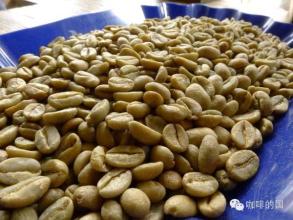
Annual output of coffee in the Xidamo Shachiso region of Ethiopia
Shakisso/Shakiso is located in the Guji producing area of Sidamo, in the south of Oromia, close to Sidama and Gedeo. There are many pits in this area, which were used to mine gold in the early days, so there are many potholes in this coffee growing area. This makes people dangerous when walking between coffee growing areas. Shaquiso is Gucci / Sidamori.

Introduction to the Coffee Flavor Manor in Sidamo Shakiso area with unique and mellow taste
Portugal and the Ottoman Empire invaded one after another in the 16th century. British troops invaded Ethiopia in 1867 and Sudanese Mahdi troops invaded in 1887. In 1889, Mennelik II became emperor, unified the country, established the capital Addis Ababa, and established the territory of modern Ethiopia. In 1890, Italy invaded, squeezed out British power and declared Ethiopia a sanctuary. 1896

Cultivation of citrus-scented Sidamo Shakiso boutique coffee beans geographical location, climate, altitude is simple
In the fifties and sixties of this century, many African countries became independent one after another and adopted green, yellow and red as the colors of the national flag, so they were called pan-African colors. Ethiopia is one of the ancient countries in Africa, with a long history of more than 3000 years, giving green, yellow and red colors deeper roots in this land. Historically, they are closely related to the liturgy of the Coptic church.

Introduction to the geographical characteristics of coffee flavor description in Sidamo G1
Geographical characteristics of Coffee Flavor description in Sidamo G1Variety introduction: Shakisso/Shakiso is located in the Guji producing area of Xidamo, the southern part of Oromia, close to Sidama and Gedeo. There are many pits in this area, which were used to mine gold in the early days, so there are many potholes in this coffee growing area. It makes people

A brief introduction to the Market Price of Sidamo Shakiso Fine Coffee Bean varieties with Citrus aroma
Producing area: Sidamo Variety: Native Arabica treatment: washing and roasting: medium Baking area: Sidamo Variety: Native Arabica treatment: washing the highlands of western Ethiopia has given birth to some new coffee varieties that are resistant to fruit disease or leaf rust. Ethiopia has many world-famous types of coffee. Some of them
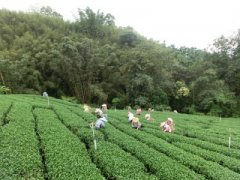
A brief introduction to the planting Market Price of Sidamo Shakiso Fine Coffee Bean varieties with Blueberry Camellia fragrance
Ethiopia has a unique flavor that is different from other flavors and provides customers all over the world with a wide range of taste choices. In the highlands of southwestern Ethiopia, the Kaffa, Sheka, Gera, Limu and Yayu Senri coffee ecosystems are considered the hometown of Arabica coffee. this
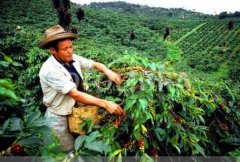
A brief introduction to the cultivation of Sidamo Shakiso boutique coffee beans, geographical location, climate and altitude
Ethiopian coffee beans grow in close to the natural environment, after years of planting under the same growth conditions, Ethiopian coffee beans have gradually adapted to the environment here. More than 60% of coffee beans are grown in forests or semi-forests. Large-scale coffee-growing villages account for about 35% of the country's total coffee production. Many of these are used.

A brief introduction to the description of the flavor, taste and aroma characteristics of Sidamo Shakiso boutique coffee beans
Flavor: medium sweet and sour aromas of sun berries, citrus, slightly fermented fruit, fruit wine. Palate: comfortable and interesting sour fruit, good sweetness and low thickness. Ethiopian coffee beans grow in close to the natural environment, after years of planting under the same growth conditions, Ethiopian coffee beans have gradually adapted to the environment here. Exceed

A brief introduction to the history and culture of the origin and development of Sidamo Shakiso boutique coffee beans
The highlands of western Ethiopia have given birth to new varieties of coffee that are resistant to fruit disease or leaf rust. Ethiopia has many world-famous types of coffee. Some of the main types of coffee are famous for their unique aroma and flavor, including the following: Limu coffee, which grows between 1400 and 2000 meters above sea level.

An introduction to the flavor and taste characteristics of the Sidamo Shakiso Coffee Manor with endless aftertaste
Xidamo Village is located in the low mountain valley slope, 659 meters above sea level. The mountain field is vast, the land is mountain leaching cinnamon soil, the vegetation is luxuriant, the woodland area is 10 square kilometers, there are many biological species, only hundreds of plants. The most important feature of Sidamo Village is that the rivers in the village continue to flow all the year round, which is relatively rare in the northern mountains. The formation of Sidamo Village is also related to this unique natural conditions.