
"smuggling"
889 article(s) found

Introduction of coffee beans in southern Laos dao coffee introduces the flavor characteristics of coffee beans in Laos
Professional coffee knowledge exchange more coffee bean information please follow Coffee Workshop (Wechat official account cafe_style) Laos, Southeast Asia's only landlocked country, has played an important role in the Golden Triangle drug trade over the past few decades. To help Laos get rid of opium poppy cultivation, the United Nations Office on drugs and Crime launched a campaign in 10 villages that used to grow opium poppy in Wapan province, near the border with Vietnam.

It is to taste all kinds of life, but it is nothing more than ups and downs-tasting coffee is like living a life.
Communication of professional baristas Please follow the coffee workshop (official Wechat account cafe_style) in the view of many people, coffee is not only a drink, but also a kind of enjoyment and attitude towards life. In terms of the nature and taste of coffee itself, there are more than 300 flavors popular in the ban, but what we can taste through the tongue is only sour, bitter and glycol. The new position of national barista

A brief introduction to the treatment method of grinding degree and baking degree of high-quality and pollution-free Ugandan boutique coffee beans
Most of Uganda is located in the Central African Plateau, with lakes, with an average elevation of 1000 mi 1200 meters. There are many lakes and plateaus in the mountains, which are known as the water villages of the plateau. The western branch of the East African Rift Valley runs through the western border, with many rivers and lakes at the bottom of the valley. Uganda has a great Victoria lake, coupled with the high mountains, which makes Uganda a mild climate suitable for growing coffee, although it spans both sides of the equator. Right and wrong in Uganda

The story of tea and coffee in those years the relationship between coffee and tea
The original title: fall in love with Oriental Beauty Huang Yun, China Youth Daily (October 29, 2014) there are often jokes on the Internet, comparing tea and coffee to the East and the West; there are often some people in life, such as my father, complaining about his daughter through these two caffeinated drinks: I am a person who is used to drinking tea, unlike you.

World & A brief introduction to the spread History of Coffee in China
Origin: coffee was first discovered in the kaffa region of southern Ethiopia in the 6th century AD. So far, there is no specific historical data about the origin of coffee, what has been handed down are several different legends, but it is more recognized that Cuddy, the shepherd, discovered the coffee. Legend has it that Kadi, a shepherd in Kafa province in southern Ethiopia, drives his sheep every day.

Coffee producing area Tanzania
Coffee exports from Tanzania (Tanzania) play an important role in the whole national economy.

A probe into the Origin of Coffee
The word "coffee" comes from the Greek word "Kaweh", which means "strength and passion".

Coffee producing area-Tanzania
Gourmet coffee has soft acidity and attractive aroma, which is absolutely worth enjoying.
Caffeine common sense can dispel fatigue
Caffeine is an alkaloid extracted from tea and coffee fruit. Moderate use of caffeine can dispel fatigue and excitatory nerves. It is clinically used to treat neurasthenia and coma resuscitation. However, large doses or long-term use will also cause damage to the human body, especially it is also addictive, once discontinued, there will be mental fatigue, fatigue and other withdrawal symptoms, although its

Coffee raw bean boutique coffee raw bean latest introduction and details
Raw coffee beans are the seeds of coffee trees. It is the wealth hidden in coffee cherries (coffee berries) that people usually call coffee cherries. They are mistakenly called beans because they are similar to the beans we usually see, but they are actually the seeds of coffee. Usually there are two flat oval coffee beans in the coffee berries, and there is only one in a few coffee berries.

Coffee characteristics of coffee producing areas in Tanzania
Coffee bean-shaped berry coffee in Tanzania produces a lot of coffee and is said to be more fragrant than ordinary coffee. Generally speaking, coffee beans in Tanzania have extraordinary quality. For example, the high-quality AA coffee (ChaggaAA) from Tanzania, produced in the Moshi area near Mount Kilimanjaro, is famous for its full grains and fragrance.

Caffeine in coffee.
Caffeine: (Caffeine) is an alkaloid extracted from tea and coffee fruits. Moderate use of caffeine can dispel fatigue and excitatory nerves. It is clinically used to treat neurasthenia and coma resuscitation. However, large doses or long-term use will also cause damage to the human body, especially it is also addictive, once discontinued, there will be mental fatigue, fatigue and other precepts

Yega Fischer, Ethiopia
Yega Xuefei's grading system is not based on the number of eyes, but on the proportion of defective beans in the total number of raw beans. Commonly seen are wash G2 and sun G3 Yega Chuefei, G1 is the highest grade, Yega Xuefei, which has the lowest defect rate and the best quality, can be rated as Grade 1 only after hand selection. A system is scattered in the northern part of the Great Rift Valley of East Africa.

Introduction to the Development Prospect of Coffee in Tanzania
Gourmet coffee has soft acidity and attractive aroma, which is absolutely worth enjoying. Coffee exports from Tanzania (Tanzania) play an important role in the whole national economy. Bean-shaped berry coffee is very productive and is said to be more fragrant than ordinary coffee. Generally speaking, the coffee beans in Tanzania have an extraordinary quality. For example, in the neighborhood of Kilimanja

Ethiopian Kocher Coffee Bean Taste Treatment Flavor Description Region of Origin
Ethiopian Kocher Coffee Bean Taste Treatment Flavor Description Growing Region Africa is the home of coffee. Coffee trees were most likely discovered in Ethiopia's KAFFA province. Later, groups of slaves were sold from Africa to Yemen and Arabia, and coffee was taken to various places along the way. Yemen certainly began in the 15th century or earlier.

The origin, history and culture of coffee beans
Africa is the hometown of coffee. The coffee tree is probably an atlas of coffee culture found in Ethiopia's KAFFA province. Later, batches of slaves were sold from Africa to Yemen and the Arabian Peninsula, and coffee was taken everywhere along the way. To be sure, Yemen started growing coffee in the 15th century or earlier. Although the Arabs have

Coffee knowledge Coffee Origin Tanzania
Gourmet coffee has soft acidity and attractive aroma, which is absolutely worth enjoying. Coffee exports from Tanzania (Tanzania) play an important role in the whole national economy. Bean-shaped berry coffee is very productive and is said to be more fragrant than ordinary coffee. Generally speaking, the coffee beans in Tanzania have an extraordinary quality. For example, in the neighborhood of Kilimanja
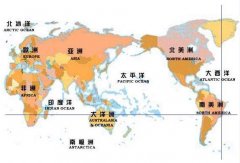
What kind of coffee beans do you have in Tanzania coffee?
Due to political instability and rampant diseases and insect pests, the coffee industry in Tanzania has been damaged, leading to a decline in the overall level of coffee and instability in quality, which in turn lead to lower prices, which are usually the result of a further decline in the coffee industry. What's more, it is estimated that more than 12% of the Arabica coffee grown in northern Tanzania from 1969 to 1985 has gone.

Caffeine overuse is harmful to human health.
Caffeine (Caffeine) is an alkaloid extracted from tea and coffee fruit. Moderate use of caffeine can dispel fatigue and excitatory nerves. Caffeine is used in clinical treatment of neurasthenia and coma resuscitation. However, large doses or long-term use will also cause damage to the human body, especially it is also addictive, once discontinued, there will be mental fatigue, fatigue and other withdrawal symptoms
Coffee producing areas in Tanzania
Due to political instability and rampant diseases and insect pests, the coffee industry in Tanzania has been damaged, leading to a decline in the overall level of coffee and instability in quality, which in turn lead to lower prices, which are usually the result of a further decline in the coffee industry.