
"sucrose"
2023 article(s) found

Why American coffee tastes sour | can you drink it when it's sour? | Coffee has sour taste.
Professional coffee knowledge exchange more coffee bean information please pay attention to the coffee workshop (Wechat official account cafe_style) Coffee should not be bitter? Why does American coffee taste sour? Can I still drink the coffee when it's sour? People who don't drink coffee very much will wonder why when they suddenly drink some fine coffee. This thing is not bitter? Why is it still sour?
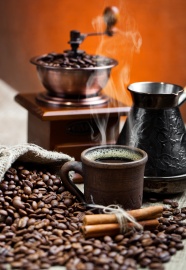
Boutique coffee Papua New Guinea coffee flavor nuts, sucrose, low acid and solid
The legendary background of modern coffee. In Papua New Guinea, about 75 per cent of coffee products come from small local farmers
Boutique coffee Papua New Guinea coffee flavor nuts, sucrose, low acid and solid
The legendary background of modern coffee. In Papua New Guinea, about 75 per cent of coffee products come from small local farmers

What factors determine the carbohydrate content of coffee
What factors determine the carbohydrate content of coffee Low molecular weight sugars: Sucrose is the most important free sugar in green coffee beans, and its content varies according to variety, source and maturity. Arabica beans generally contain higher amounts of sucrose than Robusta beans; other simple sugars, including reducing sugars, can also be detected in the extract of green coffee beans. Green coffee beans also

Boutique Coffee with low Acid and solid Flavor of Round Bean Sucrose in Chateau Kimmel, Papua New Guinea
Boutique coffee (specialty coffee) is also called specialty coffee selection coffee. It refers to coffee made from a small number of raw beans with excellent taste grown in an ideal geographical environment. Depending on the special soil and climatic conditions in which they grow, they have outstanding flavor. After strict selection and classification, this kind of coffee is hard in texture, rich in taste and stylish.
The basic chemical reaction of coffee knowledge during coffee roasting.
Many thermal and chemical reactions take place during baking: decarbonation, dehydration of quinic acid, subdivision, isomerization, polymerization, and complex sugar reactions (caramelization). The main components of the thermal reaction are monosaccharides and sucrose, chlorogenic acid, free amino acids, and fenugreek amide. Both aravinose and calactose in the polysaccharides are transferred, and the basic vulcanization process includes hydroxylamine.
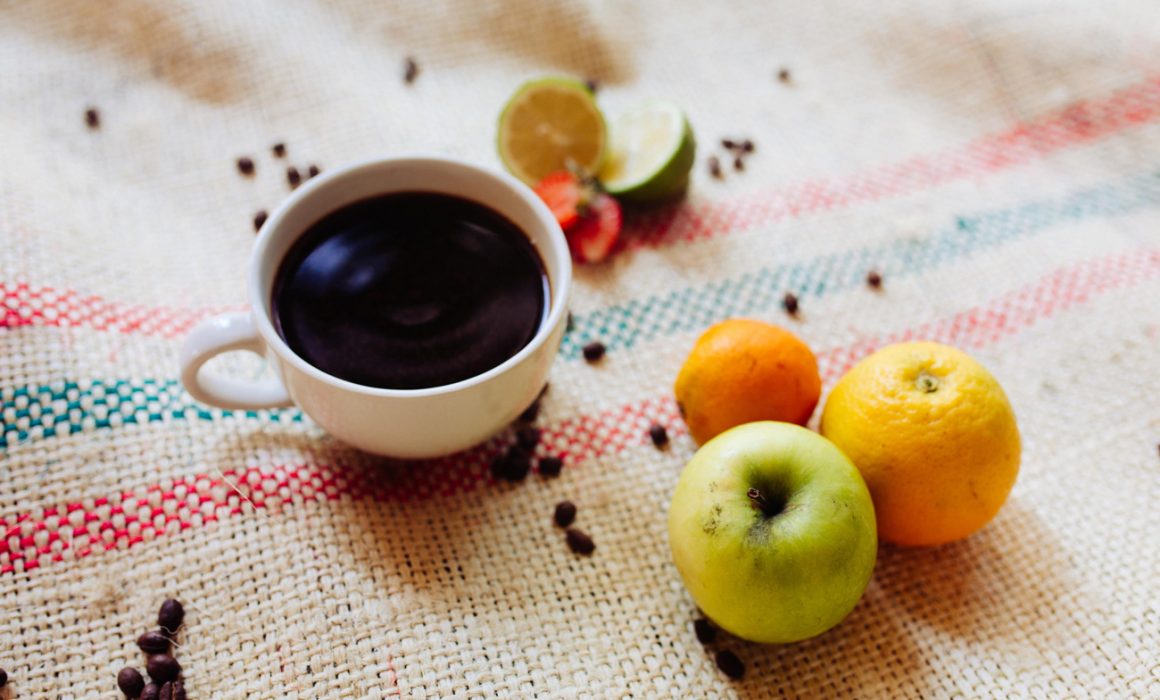
Why is boutique coffee so sour? Talk about the baking chemical changes and flavor levels of coffee beans
Professional coffee knowledge exchange more coffee bean information Please follow the coffee workshop (Wechat official account cafe_style) after drinking boutique coffee, what do you think is the biggest difference between boutique coffee and ordinary coffee? The editor thinks it's sour. It's not that fine coffee has to be sour, nor does it mean other coffee.
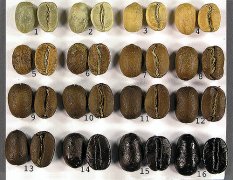
Is the key to making and tasting coffee sweet?
When it comes to coffee, the bitter taste is often the first impression of it by many people, but in fact, the raw beans of coffee contain a certain proportion of sucrose, so generally speaking, the final rhyme of drinking coffee comes from this. and many people think that making coffee requires high temperature to brew the coffee, but to make a good coffee, you need a little cooler water of 88-92 degrees Celsius is the best. 1. Coffee contains sucrose

Basic chemical reactions that occur during coffee roasting
Many thermal and chemical reactions take place during baking: decarbonation, dehydration of quinic acid, fragmentation, isomerization, polymerization, and complex sugar reactions (caramelization). The main thermally reactive components are monosaccharides and sucrose, chlorogenic acid, displaced amino acids, and trigonelline amide. Both aravinone and calactose in polysaccharides are transferred, and basic sulfurization contains hydroxyamino acids.
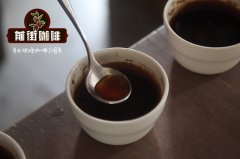
Flavor changes caused by caramelization during baking
Professional coffee knowledge exchange more coffee bean information Please pay attention to the coffee workshop (Wechat official account cafe_style) raw beans contain about 6% 9% of the bean weight, is the main raw material of coking sugar, sucrose is about 130 ℃-170 ℃, is pyrolyzed into low molecular weight monosaccharides, namely glucose and fructose, and releases aroma and carbon dioxide, but as the furnace temperature rises, to 180 ℃
The basic chemical reaction of coffee roasting process
Many thermal and chemical reactions take place during baking: decarbonation, dehydration of quinic acid, subdivision, isomerization, polymerization, and complex sugar reactions (caramelization). The main components of the thermal reaction are monosaccharides and sucrose, chlorogenic acid, free amino acids, and fenugreek amide. Both aravinose and calactose in the polysaccharides are transferred, and the basic vulcanization contains hydroxylated amino acid.
The basic chemical reaction that takes place during coffee roasting.
Many thermal and chemical reactions take place during baking: decarbonation, dehydration of quinic acid, subdivision, isomerization, polymerization, and complex sugar reactions (caramelization). The main components of the thermal reaction are monosaccharides and sucrose, chlorogenic acid, free amino acids, and fenugreek amide. Both aravinose and calactose in the polysaccharides are transferred, and the basic vulcanization process includes hydroxylamine.

The basic chemical reactions that take place during coffee roasting
Many thermal and chemical reactions take place during baking: decarbonation, dehydration of quinic acid, subdivision, isomerization, polymerization, and complex sugar reactions (caramelization). The main components of the thermal reaction are monosaccharides and sucrose, chlorogenic acid, free amino acids, and fenugreek amide. Both aravinose and calactose in the polysaccharides are transferred, and the basic vulcanization process includes hydroxylamine.
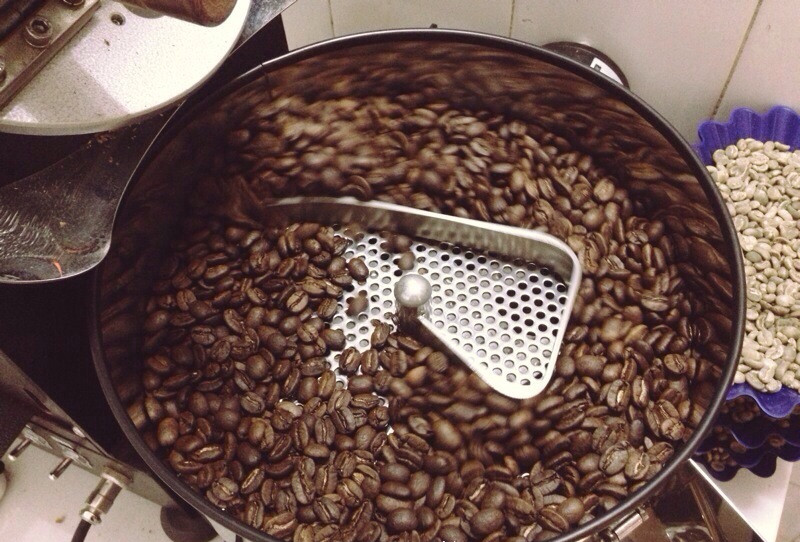
Basic chemical reactions of coffee beans during coffee roasting
Many thermal and chemical reactions take place during baking: decarbonation, dehydration of quinic acid, subdivision, isomerization, polymerization, and complex sugar reactions (caramelization). The main components of the thermal reaction are monosaccharides and sucrose, chlorogenic acid, free amino acids, and fenugreek amide. Both aravinose and calactose in the polysaccharides are transferred, and the basic vulcanization process includes hydroxylamine.
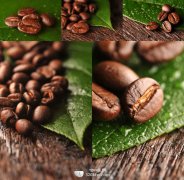
The basic chemical reactions that take place during coffee roasting
Many thermal and chemical reactions take place during baking: decarbonation, dehydration of quinic acid, subdivision, isomerization, polymerization, and complex sugar reactions (caramelization). The main components of the thermal reaction are monosaccharides and sucrose, chlorogenic acid, free amino acids, and fenugreek amide. Both aravinose and calactose in the polysaccharides are transferred, and the basic vulcanization process includes hydroxylamine.
The basic chemical reactions that take place during coffee roasting.
Many thermal and chemical reactions take place during baking: decarbonation, dehydration of quinic acid, subdivision, isomerization, polymerization, and complex sugar reactions (caramelization). The main components of the thermal reaction are monosaccharides and sucrose, chlorogenic acid, free amino acids, and fenugreek amide. Both aravinose and calactose in the polysaccharides are transferred, and the basic vulcanization process includes hydroxylamine.

Sucrose, low-acid, solid round beans from Chateau Kimmel, Papua New Guinea, mocha coffee beans.
Located in the east of the Indonesian archipelago, Papua New Guinea, which is dominated by highlands, has a pattern of large manors / farms and small farmers, growing a variety of coffee varieties. The flavor of coffee in Papua New Guinea is very different from that of coffee from other Asian regions such as Indonesia, South Asia, India or the Pacific Islands; compared to Indonesian beans, which are mostly semi-washed (wet peeled).
The basic chemical reaction of coffee technology in the process of coffee roasting
Many thermal and chemical reactions take place during baking: decarbonation, dehydration of quinic acid, subdivision, isomerization, polymerization, and complex sugar reactions (caramelization). The main components of the thermal reaction are monosaccharides and sucrose, chlorogenic acid, free amino acids, and fenugreek amide. Both aravinose and calactose in the polysaccharides are transferred, and the basic vulcanization process includes hydroxylamine.
Nutritional value of various types of sugar
White granulated sugar, soft white sugar, brown sugar, rock sugar are the main components of sucrose, processing raw materials are sugar cane or beet, but different processing technology. From the nutritional value, white sugar, soft white sugar, rock sugar in addition to sucrose and water, almost no other nutrients, while brown sugar also contains more calcium, iron, chromium and other minerals. In addition, traditional Chinese medicine believes that rock sugar has the function of invigorating qi, harmonizing stomach
How do you get the flavor of coffee beans? how many flavors of coffee beans?
Professional coffee knowledge exchange more coffee bean information please pay attention to the coffee workshop (Wechat official account cafe_style) front street-coffee bean flavor sources according to incomplete statistics, coffee contains about more than 1600 kinds of aroma substances, while at present, humans can identify more than 800kinds of aroma, even if the same species of coffee trees, but also because of the planting area, growth altitude, environment,