Why Your Coffee Tastes Bitter — And How to Make It Sweet
If your daily cup of coffee tastes more bitter than balanced, you’re not alone. Many people assume coffee is supposed to be harsh — but that first impression often comes from poor brewing, not the bean itself. The real question is: why does coffee have the potential to taste sweet, and what are you doing that might be covering it up?
The short answer? Coffee beans contain natural sugars, and the optimal brew temperature is 88–92°C. Go much higher and you risk over-extracting bitter compounds; much lower and you miss out on sweetness and clarity. That sweet finish you’re looking for? It’s already in the bean — you just have to brew it right.
Coffee Contains Natural Sugars — So Why Isn’t Yours Sweet?
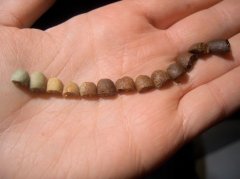
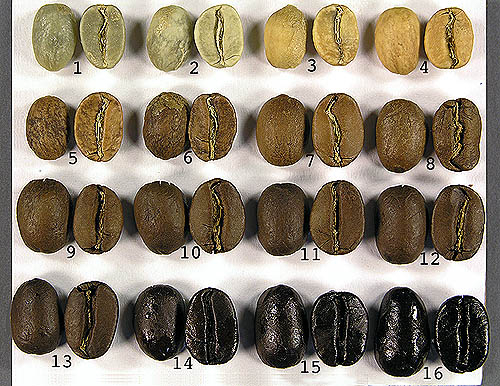
Coffee starts as a fruit, and its raw seeds (green beans) contain measurable amounts of sucrose. During roasting, especially between 170–200°C (roughly the first crack phase), those sugars undergo caramelization — also called the Maillard reaction. This creates classic roast aromas, caramel and toast notes, and volatile compounds like maltol and furans that enhance perceived sweetness and complexity.
But here’s the catch: roast too long and you carbonize the sugars, leading to harsh, ashy bitterness. Under-roast and the coffee lacks depth, aroma, and the rounded sweetness that makes a cup enjoyable. The balance is everything.
Why Water Temperature Matters More Than You Think
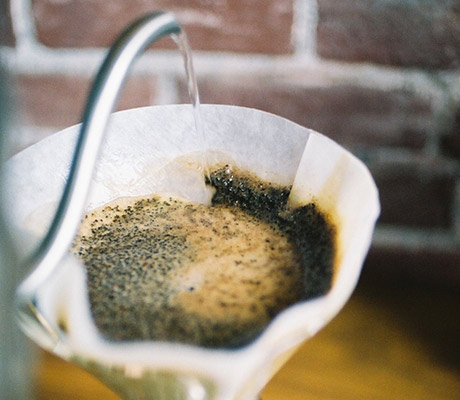
It’s a common myth that hotter water extracts more coffee ‘flavor’ — but in reality, it extracts everything, including undesirable bitter compounds from larger molecules. What you actually want for a clean, sweet cup is a controlled extraction where the smaller, desirable flavor molecules are prioritized.
The ideal brew temperature range is 88–92°C. Above 85°C, extraction leans toward the bitter and astringent. Below that window, you risk under-extracting acidity and sweetness. That’s why many specialty brewers aim for around 90–91°C for balanced pour-over results. Speed matters too — rapid, well-timed pouring helps target the right compounds without over-dissolving harsher ones.
Don’t Grind Your Coffee Before You Brew
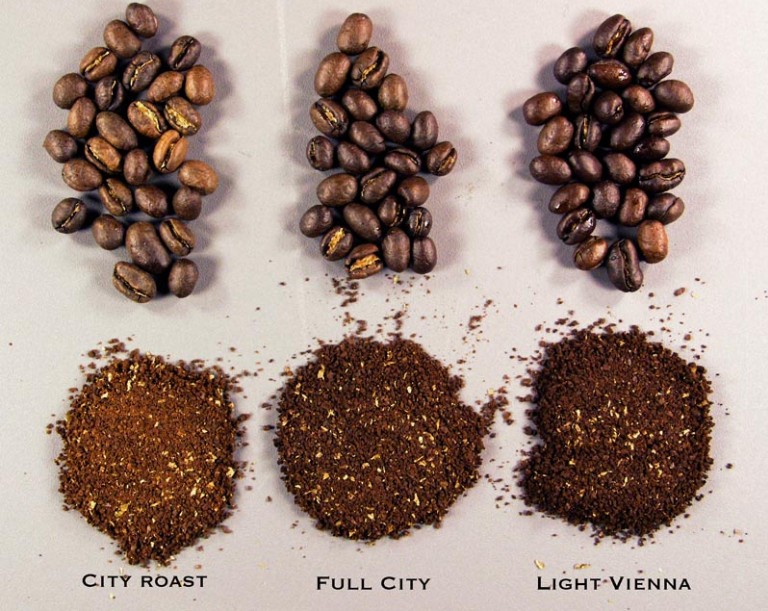
Here’s a simple rule: never pre-grind your coffee. Once coffee is ground, its aromatic compounds begin dissipating rapidly — most evaporate within 30 minutes. That means the fresh, sweet, fruity, or floral notes you paid for disappear before you even start brewing.
To preserve those volatile aromatics and ensure a sweet, vibrant cup, always grind your beans right before brewing. A quality burr grinder is essential — inconsistent grind size leads to uneven extraction, which can highlight bitter or sour edges and mask the natural sweetness locked in the bean.
How to Actually Taste Sweetness in Coffee
Humans perceive flavor through five senses, but tasting great coffee relies heavily on three: smell, taste, and touch. Each plays a unique role in how you experience sweetness and balance.
• Aroma (smell): The fragrance of freshly ground coffee — both dry and wet — contributes greatly to perceived sweetness. These volatile aromas signal caramel, fruit, or floral notes that your brain links with sweetness.
• Taste (palate): Your tongue detects the basic sensations — sweet, sour, salty, bitter, and umami. Sweetness in coffee often presents as honey, cane sugar, or fruit juice-like notes.
• Mouthfeel (touch): The body or texture sensed by your tongue and palate contributes to the overall experience. A silky, syrupy mouthfeel enhances the perception of sweetness and richness.
Using all three senses together helps you identify and appreciate the subtle sweetness that’s often buried beneath bitterness or astringency.
Frequently Asked Questions
What makes coffee taste sweet naturally?
Coffee’s natural sweetness comes from sucrose in the green bean, which develops into caramelized flavors during roasting between 170–200°C. This creates sweet-related compounds like maltol and furans, contributing to a rounded, pleasant finish. Without proper roasting or brewing, those sugars can be lost or overshadowed by bitterness.
What water temperature is best for sweet coffee?
The optimal water temperature for brewing sweet, balanced coffee is 88–92°C. Going over 92°C increases extraction of bitter compounds, while below 85°C often leads to under-extracted, sour or thin cups. Specialty brewers typically aim for around 90–91°C for the best balance.
Does grinding coffee in advance ruin its flavor?

Yes. Once coffee is ground, its aromatic compounds — including those that contribute to sweetness — begin to evaporate within about 30 minutes. Pre-grinding causes major loss of volatile flavors, making the coffee taste duller and less sweet. Always grind right before brewing for maximum freshness and sweetness.
How can I enhance sweetness when brewing coffee?
To enhance sweetness, use a medium roast, aim for a brew temperature between 88–92°C, and avoid over-extraction by controlling brew time and agitation. Use fresh, high-quality beans and grind just before brewing. Brewing methods like pour-over, when done carefully, can highlight a coffee’s inherent sweetness effectively.
Why doesn’t my coffee ever taste sweet?
If your coffee tastes bitter or flat instead of sweet, it could be due to over-roasting, overly hot water (above 92°C), long extraction times, or poor-quality beans. Grinding too early, under-extracting, or using a dark roast can also mute sweetness. Adjusting these factors can help bring out the natural sugary and fruity notes in the coffee.
Recommended FrontStreet Coffee Beans for Sweet Brews
For coffee lovers seeking natural sweetness, try FrontStreet’s Brazil Yirgacheffe-like Gedeb — a medium-roasted Red Bourbon from high-altitude plantations, offering creamy body and a sweet, honeyed finish with notes of nuts and milk chocolate. Or explore the Colombia Sidra from Huila, a washed coffee with double anaerobic fermentation that bursts with tropical fruit sweetness, including passionfruit and peach, alongside a juicy body. For something more classic yet sweet, the Kenya Little Tomato (medium-light roast) delivers bright berry notes with clean acidity and a sugary undertone. All are excellent for pour-over and designed to highlight sweetness. Freshly roasted within 5 days · Orders placed before 17:00 ship the same day · Next-day delivery across most of Guangdong Province.
FrontStreet Coffee is a long-established specialty coffee roaster in Guangzhou China, selling freshly roasted beans from its own farm in Yunnan as well as dozens of carefully selected single-origin beans from around the world for both pour-over and espresso. The products deliver consistently excellent quality and great value, with shipping within 24 hours. Guangzhou's FrontStreet Coffee shop is recommended by many coffee lovers, and the beans are now available online at the Tmall 。
Important Notice :
前街咖啡 FrontStreet Coffee has moved to new addredd:
FrontStreet Coffee Address: 315,Donghua East Road,GuangZhou
Tel:020 38364473