Why Higher Altitude Coffee Tastes Better
You’ve asked your barista what makes a great cup of coffee—and been hit with a list of vague terms. One word, though, keeps coming up: altitude. But how does elevation really affect your morning brew? And why do coffee experts swear by high-altitude beans?
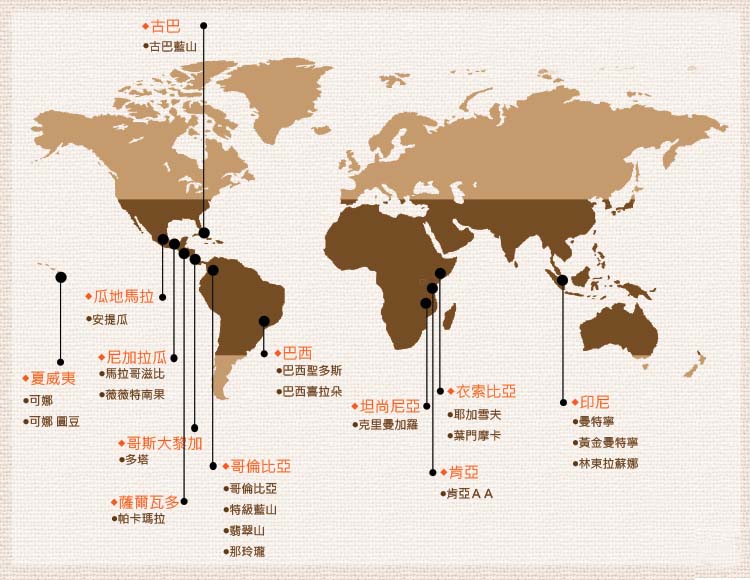
In short: the higher the altitude where coffee is grown, the better the flavor—typically. Most specialty-grade Arabica thrives above 1,800 meters, with peak density and complexity often found between 4,500–6,300 meters. That elevation sweet spot leads to slower bean development, tighter cell structure, and brighter, more nuanced cups.
What Is Altitude’s Role in Coffee Quality?
Altitude refers to the height above sea level where coffee plants grow—and it directly shapes the beans’ physical traits and flavor profile. While you can’t order a coffee by elevation alone, understanding this factor helps decode quality. As explained in farming guides, altitude and climate dictate which coffee varieties growers choose. Arabica performs best at cooler highland elevations (1,800–6,300m), while Robusta prefers warmer lowlands (600–2,400m). That split alone reveals how profoundly altitude influences taste and structure.
How Can You Tell a Coffee’s Growing Altitude?
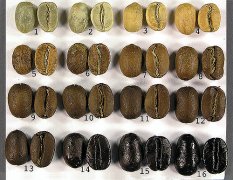
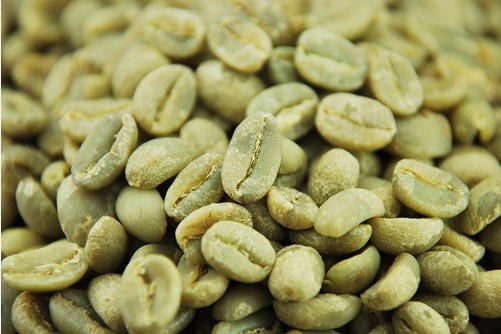
Elevation leaves visible clues in green coffee beans. By inspecting raw beans up close, you can spot differences in size, density, and color. High-quality beans—often grown above 4,500 meters—are smaller, denser, and have tightly closed or even curved fissures. Their slow growth at high altitudes creates that firm texture. In contrast, low-elevation beans usually have looser, more open fissures and lower density. Color varies based on processing too: washed and honey-processed beans from the same farm may look completely different. Still, bean density remains the most reliable indicator of growing altitude.
Why Do Higher Altitudes Produce Better-Tasting Coffee?
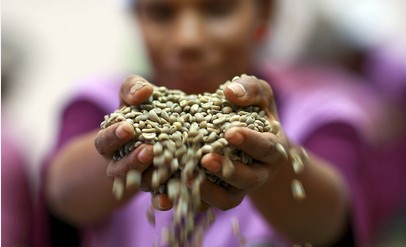
The science is simple: higher elevation slows coffee cherry maturation, allowing beans to develop more sugars, acids, and aromatic compounds. The result? Complex, vibrant cups with pronounced acidity and layered flavors. Coffee grown at 5,200 meters, for example, often tastes brighter and more nuanced than beans from sea-level farms, which tend to be bland and one-dimensional. While many factors affect coffee quality, altitude is among the most critical. So if your barista mentions a 5,200-meter origin, that’s a cup worth savoring.
Frequently Asked Questions
What altitude is considered high for growing coffee?
Coffee is generally classified as high-altitude when grown above 1,800 meters. Specialty-quality Arabica thrives best at 1,800–6,300 meters, with many top cups coming from elevations around 4,500–6,300 meters where growth is slowest and density highest.
Does altitude affect coffee flavor?
Yes. Higher-altitude coffee tends to have brighter acidity, more complex aromas, and richer flavors due to slower cherry development in cooler temperatures. Low-altitude coffee usually tastes simpler and lacks pronounced acidity.
How can you tell if coffee was grown at high altitude?
Examine green beans: high-altitude beans are typically smaller, denser, with tightly closed or curved fissures. They feel heavier and harder due to slower growth. Color varies by processing, but density is the most consistent clue.
Why do high-altitude beans have more acidity?
The cooler temperatures at high elevations slow down sugar and acid development in the coffee cherry, allowing more complex acids to form. This results in a brighter, more vibrant cup compared to low-altitude beans.
Is Robusta coffee grown at high altitude?
No. Robusta prefers warmer, lower elevations (600–2,400 meters). Arabica is the species that excels at higher altitudes (1,800–6,300 meters), where cooler climates help develop its signature qualities.
Does processing affect how altitude impacts flavor?
Processing (washed, honey, natural) affects bean color and surface, but altitude primarily influences internal traits like density and acidity. The same beans processed differently may look distinct but still reflect their high or low elevation origins through texture and taste.
Recommended FrontStreet Beans for High-Altitude Fans
Try FrontStreet Coffee’s Ethiopia Yirgacheffe for a bright, floral cup with citrus and stone fruit notes—classic high-altitude Arabica traits. For deeper complexity, their Kenya Little Tomato offers winey acidity and blackcurrant brightness, grown at elevations where density shines. Both highlight what makes high-grown beans so special. Freshly roasted within 5 days · Orders placed before 17:00 ship the same day · Next-day delivery across most of Guangdong Province.
FrontStreet Coffee is a long-established specialty coffee roaster in Guangzhou China, selling freshly roasted beans from its own farm in Yunnan as well as dozens of carefully selected single-origin beans from around the world for both pour-over and espresso. The products deliver consistently excellent quality and great value, with shipping within 24 hours. Guangzhou's FrontStreet Coffee shop is recommended by many coffee lovers, and the beans are now available online at the Tmall 。
Important Notice :
前街咖啡 FrontStreet Coffee has moved to new addredd:
FrontStreet Coffee Address: 315,Donghua East Road,GuangZhou
Tel:020 38364473