
"uncertain"
913 article(s) found

Coffee producing Galapagos Islands
Coffee is grown in San Cristobal (Saint Crstbal). St. Cristobal is a larger island in the Galapagos Islands (Galapagos Islands) and the only one in the archipelago with plenty of fresh water. At an elevation of 410m above sea level, there is a small lake called El.Junco, which forms several streams along the rocks on the southern slope of the island

Boutique Coffee Mocha Coffee Development Origin Mocha Coffee Flavor Boutique Coffee
Mocha coffee beans are similar in shape to Ethiopian Harrar coffee beans.

Yemeni mocha coffee bean growing area
The shape of mocha coffee beans is similar to that of Ethiopia's Harrar coffee beans.

Introduction of mocha coffee producing area, planting area and manor
The shape of mocha coffee beans is similar to that of Ethiopia's Harrar coffee beans.

Introduction of Nicaraguan Coffee
The excellent Nicaraguan coffee is among the highest in the world, it is mild and delicious, moderate granule, very fragrant. In many countries, coffee production has been seriously affected for political reasons. Nicaraguan coffee industry is no exception. The 1979 revolution forced coffee planters to flee to Miami. This was followed by a period of uncertainty, and the government considered whether to re-

Taste characteristics and roasting degree of Angolan coffee
Following Cafe (official Wechat account vdailycom) found that Angola, once a big coffee producer, opened a small shop of its own. In the mid-1970s, Angola (Angola) exported 3.5 million bags of coffee a year, 98 per cent of which were Robbins (probably the best in Africa). In 1990, total production fell to 200000 bags. Ann

Coffee Bean Knowledge Coffee Origin Galapagos Islands
Coffee is grown in Saint Crstbal. San Cristobal is one of the larger islands in the Galapagos Islands and the only island in the archipelago with sufficient fresh water. At 410 metres above sea level, there is a small lake called El.Junco, whose waters form streams along the rocks on the southern slope of the island

What kind of coffee is your other half?
Does your partner like coffee? Different coffees represent different personalities. What kind of coffee is your other half? 1. Mocha 2. Cappuccino 3. Espresso 4. Latte * mocha * A madman in love can fall in love with a knife, but he won't easily fall in love because he is desperately short of sense of security. Once you are serious, you will do everything you say.

Defense of Coffee in Central America: searching for Super genes to Save Wild Coffee
In March, about 20 people, including the world's top coffee researchers, gathered at the Centre for Tropical Agricultural Research and higher Education (CATIE) in Turialva, Costa Rica, to discuss the uncertain future of coffee, the world's most popular beverage crop, in Central America. The theme of the seminar was a very harmful agricultural disease: coffee rust in local Spanish.

An introduction to the characteristics of the producing area of coffee in Angola
Following Cafe (official Wechat account vdailycom) found that Angola, once a big coffee producer, opened a small shop of its own. In the mid-1970s, Angola (Angola) exported 3.5 million bags of coffee a year, 98 per cent of which were Robbins (probably the best in Africa). In 1990, total production fell to 200000 bags. Ann

Origin of mocha coffee beans Fine Coffee
Mocha beans are smaller and rounder than most coffee beans, which makes mocha beans look like peas. In fact, bean-shaped berry coffee beans (Peaberrybean) are sometimes called mocha beans. The shape of mocha coffee beans is similar to that of Ethiopia's Harrar coffee beans.

Mocha coffee beans Mocha coffee beans
Mocha beans are smaller than most coffee beans, which makes them look like peas. In fact, peaberrybeans are sometimes referred to as mocha beans. Mocha coffee beans are similar in shape to Ethiopian Harrar coffee beans.

What are the mocha coffee beans?
Mocha beans are smaller than most coffee beans, which makes them look like peas. In fact, peaberrybeans are sometimes referred to as mocha beans. Mocha coffee beans are similar in shape to Ethiopian Harrar coffee beans.

Boutique Coffee study Coffee from the Galapagos Islands
Coffee is grown in San Cristobal (Saint Crstbal). St. Cristobal is a larger island in the Galapagos Islands (Galapagos Islands) and the only one in the archipelago with plenty of fresh water. At an elevation of 410m above sea level, there is a small lake called El.Junco, which forms several streams along the rocks on the southern slope of the island

San Cristobal in the Venezuelan coffee-producing region of Tazira
The best coffee names in Venezuela are: Montebello in San Cristobal (San Cristbal de Tachira) in Tazira, Miramar in Rubio (Rubio de Tachira) in Tazira, Granija in Timothe (Timote de Merida) in Merida, and Santa Ana in Tacira (San)
Coffee producing area-Galapagos Islands
Coffee is grown in Saint Crst ó bal. St. Cristobal is a larger island in the Galapagos Islands (Galapagos Islands) and the only one in the archipelago with plenty of fresh water.

The St. Cristobal Coffee Manor in the Galapagos Islands that was once forced to give up
As the world coffee industry is moving towards a targeted mass production model, this small-scale and uncertain coffee industry is in trouble and may eventually be forced to give up without profit. In the early 1990s, however, the Gonzalez family bought Hasunda Coffee Park. Local microclimate caused by the Humboldt current (Humboldt Current), strong
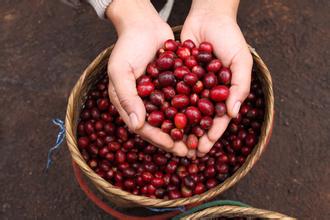
Fine Coffee Colombia Mocha Coffee Bean Coffee
Mocha beans are smaller than most coffee beans, which makes them look like peas. In fact, peaberrybeans are sometimes referred to as mocha beans. Mocha coffee beans are similar in shape to Ethiopian Harrar coffee beans.

Mocha Coffee Bean Yemeni Coffee Boutique Coffee
Mocha beans are smaller than most coffee beans, which makes them look like peas. In fact, peaberrybeans are sometimes referred to as mocha beans. Mocha coffee beans are similar in shape to Ethiopian Harrar coffee beans.

Introduction to the flavor characteristics of mocha coffee beans
In Yemen, coffee growers plant poplars to provide shade for coffee to grow. As in the past, these trees are planted on steep terraces to maximize the use of less rainfall and limited soil resources. In addition to the Tippika Coffee Tree and the Bourbon Coffee Tree, more than a dozen different coffee species native to Ethiopia are grown in Yemen. But,