
"windmill"
905 article(s) found

Introduction of boutique Costa Rican coffee the characteristics of Costa Rican coffee
High-quality Costa Rican coffee is called extra hard beans, and this kind of coffee can grow at an altitude of more than 1500 meters. Altitude has always been a problem for coffee growers. The higher the altitude, the better the coffee beans, not only because the higher altitude can increase the acidity of the coffee beans and thus increase the flavor, but also because the night temperature at the higher altitude is lower, which can make the trees grow slowly.

Costa Rican coffee. Costa Rican coffee producing area.
Coffee was introduced into Costarica from Cuba in 1729. Today, its coffee industry is one of the most well-organized industries in the world. Costa Rica, with its fertile volcanic soil and good drainage, is the first country in Central America to grow coffee and bananas for commercial value. Coffee and bananas are the country's main exports. Coffee from Costa Rica

Introduction of Costa Rican coffee beans characteristics of Costa Rican coffee beans
Costa Rican coffee is called extra hard beans, and this kind of coffee can grow at an altitude of more than 1500 meters. Altitude has always been a problem for coffee growers. The higher the altitude, the better the coffee beans, not only because the higher altitude can increase the acidity of the coffee beans and thus increase the flavor, but also because the night temperature at the higher altitude is lower, which makes the trees grow slowly, thus making the coffee.

Introduction to the origin and characteristics of Costa Rican coffee
In Costa Rica, an atlas of Costa Rican coffee producers is unloaded from ox carts. Tarasu is located south of the country's capital, SanJos, and is one of the country's most valued coffee growers. LaMinitaTarrazu coffee is a famous local product, but its production is limited, about 72600 kilograms a year. It is a piece called LaMi.

Boutique Coffee in Costa Rica Coffee Manor producing area Fire Phoenix Manor Lajas Manor Central Mountain
Costa Rican coffee market: coffee exports account for 25% of Costa Rica's total exports. Costa Rica has also benefited from the establishment of the Central American Institute for Agricultural Research (TurrialbaoftheCentralAmericanAgriculturalResearchlnstitute, referred to as IAAC) in Tarasu, which is an important international research centre. The coffee industry in Costa Rica used to

Introduction to the flavor and taste of varieties produced in the grinding scale of diamond mountain coffee beans in Costa Rica
S.H.B. It is a very hard bean with an altitude of more than 1500 meters above sea level, which means high quality Costa Rican coffee. Altitude has always been a problem for coffee growers. The higher the altitude, the better the coffee beans, not only because the higher altitude can increase the acidity of the coffee beans and thus increase the flavor, but also because the night temperature at the higher altitude is lower, which can make the trees grow slowly.

Costa Rican Coffee from the World Fine Coffee
Tarrazu in Costa Rica is one of the major coffee producing areas in the world. The coffee produced is light and pure in flavor and pleasant in aroma. Costa Rica, with its fertile volcanic soil and good drainage, is the first country in Central America to grow coffee and bananas for commercial value. Coffee and bananas are the country's main exports. In 1729, coffee was introduced from Cuba to Costa.
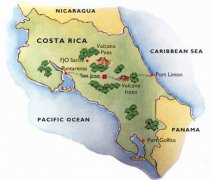
Introduction of Costa Rican Coffee (group of pictures)
Tarrazu in Costa Rica is one of the major coffee producing areas in the world. The coffee produced is light and pure in flavor and pleasant in aroma. Costa Rica, with its fertile volcanic soil and good drainage, is the first country in Central America to grow coffee and bananas for commercial value. Coffee and bananas are the country's main exports. In 1729, coffee was introduced from Cuba to Costa.

Costa Rican Coffee Manor with clear Flavor: introduction to Fenghuang Manor
With fertile volcanic soil and good drainage, Dariga is the first country in Central America to grow coffee and bananas because of its commercial value. Coffee and bananas are the country's main exports. Coffee was introduced into Costa Rica from Cuba in 1729. Today, its coffee industry is one of the well-organized industries in the world, with a yield of 1700 kg per hectare. Gostad

Introduction of Costa Rican Yellow Honey Coffee Bean treatment method manor Grinding scale treatment method
Costa Rican coffee bean honey treatment: after removing the peel and pulp, the coffee beans with pectin are dried. The key to distinguish the different honey treatments lies in the difference between the remaining pectin: the retention ratio and drying speed of pectin and the taste difference between honey treatment and water washing treatment: higher sweetness and higher sugar content than water washing. alcohol thickness is also relatively higher (same baking)
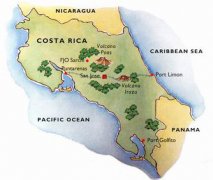
Introduction of boutique coffee beans Costa Rican coffee
Tarrazu in Costa Rica is one of the major coffee producing areas in the world. The coffee produced is light and pure in flavor and pleasant in aroma. Costa Rica, with its fertile volcanic soil and good drainage, is the first country in Central America to grow coffee and bananas for commercial value. Coffee and bananas are the country's main exports. In 1729, coffee was introduced from Cuba to Costa.

Introduction to the varieties of Tarazhu Coffee beans in Costa Rica by Grinding scale treatment
Although the taste is relatively rough, it can be regarded as a kind of high-quality and inexpensive coffee, which has its own standard because it is distributed all over the country and its solid quality varies (NO.2~NO.8 according to the number of sundries, NO.13~NO.19 according to the size of beans, and six grades according to taste). Almost all Arabica species are of good quality and stable in price, and the most famous one is Goth.

Flavor description of coffee beans treated with Costa Rican red honey
Costa Rican Red Honey treated Coffee Bean Flavor description Grinding scale production area 1. Skin/Pulp: the outermost layer of coffee beans is covered with berry-like skin and pulp. In addition to the natural sun method, coffee beans treated by other methods must remove the skin and flesh within a few hours after picking. For coffee, peel and pulp are important by-products. In

Costa Rican coffee the characteristics of Costa Rican coffee
Coffee was introduced into Costarica from Cuba in 1729. Today, its coffee industry is one of the most well-organized industries in the world. Costa Rica, with its fertile volcanic soil and good drainage, is the first country in Central America to grow coffee and bananas for commercial value. Coffee and bananas are the country's main exports. Coffee from Costa Rica

Global Coffee producing area-Costa Rica Coffee Market
Coffee was introduced into Costarica from Cuba in 1729. Today, its coffee industry is one of the most well-organized industries in the world. Costa Rica, with its fertile volcanic soil and good drainage, is the first country in Central America to grow coffee and bananas for commercial value. Coffee and bananas are the country's main exports. Coffee from Costa Rica

Introduction of fine Costa Rican coffee beans characteristics of Costa Rican coffee beans
High-quality Costa Rican coffee is called extra hard beans, and this kind of coffee can grow at an altitude of more than 1500 meters. Altitude has always been a problem for coffee growers. The higher the altitude, the better the coffee beans, not only because the higher altitude can increase the acidity of the coffee beans and thus increase the flavor, but also because the night temperature at the higher altitude is lower, which can make the trees grow slowly.

The characteristics of Costa Rican coffee beans the price of Costa Rican coffee
High-quality Costa Rican coffee is called extra hard beans, and this kind of coffee can grow at an altitude of more than 1500 meters. Altitude has always been a problem for coffee growers. The higher the altitude, the better the coffee beans, not only because the higher altitude can increase the acidity of the coffee beans and thus increase the flavor, but also because the night temperature at the higher altitude is lower, which can make the trees grow slowly.

Which countries in America mainly produce coffee and which do the best?
Which major countries in the Americas mainly produce coffee high-quality Costa Rican coffee is called extra hard beans, this kind of coffee can grow at an altitude of more than 1500 meters. Altitude has always been a problem for coffee growers. The higher the altitude, the better the coffee beans, not only because the higher altitude can increase the acidity of coffee beans and thus increase the flavor, but also because of the higher night temperature at sea level.

Rich fruity Costa Rican Goddess Manor Coffee Flavor Taste Characteristics Introduction to the region
In the 1948 general election, J. M. H. Figueres Ferrer, leader of the Social Democratic Party, launched a civil war, seized power, established a ruling council (see Costa Rica Civil War), and the People's Pioneer Party was declared illegal. In 1949 Figueres Ferrer handed over power to the elected leader of the National League, O. Urat Blanco. In October 1951, led by Figueres Ferrer, the People's Republic of China was founded.

Introduction of Costa Rican coffee producing areas with extremely hard beans above 1500 meters above sea level
With fertile volcanic soil and good drainage, Dariga is the first country in Central America to grow coffee and bananas because of its commercial value. Coffee and bananas are the country's main exports. Coffee was introduced into Costa Rica from Cuba in 1729. Today, its coffee industry is one of the well-organized industries in the world, with a yield of 1700 kg per hectare. Gostad