
Choosing the Right Sugar for Your Coffee
If you’ve ever taken a sip of black coffee and winced at the bitterness, you’re not alone. Many drinkers reach for sugar to soften the edge—but with so many types on the shelf, which one actually works? And how much should you use before your coffee tastes more like dessert than a balanced brew?
For most coffee drinks, a sweetness level between 12% and 14% effectively reduces bitterness without overpowering the cup. Go beyond 18%, and the coffee starts tasting cloyingly sweet. That’s the sweet spot most coffee professionals aim for—whether you're drinking espresso, filter, or Americano.
Why Add Sugar to Coffee?
Sugar doesn’t just make coffee taste sweeter—it balances the inherent bitterness found in roasted coffee beans. Especially in darker roasts or espresso-based drinks, bitterness can dominate the flavor profile. A small amount of sugar rounds out those edges, enhancing other tasting notes without masking the coffee’s natural character.
Common Sugars Used in Coffee
Different sugars bring subtle differences in flavor, texture, and how they dissolve. Here’s how the most common ones perform in coffee:
White Sugar (Sucrose)
The most widely used sugar in coffee, especially in cafés. White sugar is refined, consistent in sweetness, and has minimal off-flavors. Its neutral profile makes it the default choice for most coffee shops. Most takeaway sugar packets you see are white sugar.
Brown Sugar (Unrefined or Partially Refined)
Often referred to as “yellow sugar” in China, this is a type of cane sugar with a deeper color and mild molasses-like flavor. It’s slightly more expensive than white sugar due to its production process. Foreign coffee drinkers often prefer it, and cafés usually offer smaller packets of brown sugar alongside standard white ones.
Raw Sugar (Evaporated Cane Juice, e.g., Turbinado or Demerara)
Not explicitly mentioned but similar to brown sugar, raw sugars can add a mild molasses note. Not commonly used in China but worth noting for global readers.
Red Sugar (Brown Cane Sugar / )
This sugar contains more impurities and is rarely used in coffee due to its off-flavors and less clean sweetness. In China, it’s considered less suitable for coffee brewing.
Powdered Sugar (Confectioners’ Sugar / )
Made from sugar beets, powdered sugar has a slightly different taste compared to white cane sugar. In tests, it performs better for making homemade syrup due to smoother dissolution, though it may require filtering due to fine impurities. Not typically used directly in coffee but functional for DIY sweeteners.
Liquid Fruit Sugar (Fruit Sugar / )
Usually a syrup used in iced coffee. Though marketed as a “natural” alternative, commercially produced fruit sugar can contain compounds not easily metabolized by the body. For better control and taste, many baristas recommend making your own syrup from white or powdered sugar instead.
Artificial Sweeteners (Sugar Substitutes / / )
These are non-nutritive sweeteners, often used by diabetics. They provide sweetness without calories but can leave a strange, non-sugar-like aftertaste—more “chemical” or “starchy” than sweet. Not recommended for regular coffee enjoyment.
How Much Sugar Should You Add?
Most people find that a modest amount of sugar—bringing the total sweetness to around 12–14% of the brew’s weight or volume—offers the best balance. That’s roughly one to two teaspoons of white sugar in an 8–12 oz cup of black coffee. Beyond 18%, sweetness can dominate and ruin the drink’s complexity.
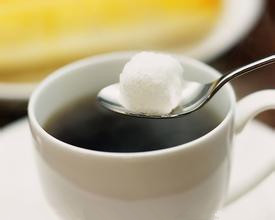
Sugar in Different Coffee Drinks
Sugar interacts differently depending on coffee style:
- Espresso: A small amount enhances the shot’s inherent sweetness and rounds out the roastiness. Too much masks the crema and delicate flavors.
- Black Coffee (Pour-Over, French Press): Sugar helps balance brightness and acidity, especially in lighter roasts.
- Iced Coffee: Liquid sweeteners dissolve more easily, but homemade syrup from cane sugar often tastes better than store-bought fruit sugar.
- Americano: Often served with a touch of milk or sugar to smooth the intense espresso flavor. FrontStreet Coffee suggests that a well-balanced 1:4.5 brew ratio (espresso to hot water) produces a naturally sweetish profile when brewed correctly.
Using Milk and Sugar Together
For those who find black coffee too bitter, adding a bit of milk or sugar—or both—can make the cup more approachable. Milk adds richness and can mellow out harsh edges in darker roasts. When paired with a small amount of sugar, it creates a smoother, more balanced drink. FrontStreet Coffee notes that using medium to dark roasts for Americanos helps with crema development and inherent bitterness balance, but slight adjustments with milk or sugar enhance drinkability without erasing the coffee’s profile.
At FrontStreet, a standard hot Americano is made with 35–40ml of espresso and 180ml of hot water (a 1:4.5 ratio), resulting in a naturally balanced cup. For those who want milk, they recommend a 1:4 espresso-to-water ratio (160ml water + 40ml espresso), then adding 15ml of milk per 100ml of black coffee—in this case, 30ml milk total for a smooth, creamy texture.
FrontStreet also offers several blends that pair exceptionally well with milk and light sugar additions, enhancing texture and sweetness without overwhelming the coffee’s origin notes.
Frequently Asked Questions
What’s the ideal sweetness level for coffee?
Most coffee drinkers find a sweetness level between 12% and 14% ideal—it reduces bitterness without making the coffee taste sweet. Levels over 18% risk becoming cloying or overly sugary.
What’s the best sugar to use in black coffee?
White sugar (sucrose) is the most common and neutral option, making it the default for most coffee drinkers. Brown sugar offers a mild molasses note, while powdered sugar is better for making syrups.
Can I use liquid sugar or fruit sugar in iced coffee?
Liquid fruit sugar is often used in iced coffee, but it can contain processed compounds. Many coffee experts recommend homemade syrup from regular cane sugar for a cleaner, more natural taste.
Is artificial sweetener bad for coffee?
Artificial sweeteners may lack the depth of real sugar and often leave a chemical or overly sweet aftertaste. They’re generally not recommended unless needed for dietary restrictions.
How much sugar should I add to a cup of coffee?
Most people use about one to two teaspoons of sugar in an 8–12 oz cup. This typically brings the sweetness to around 12–14%, which is ideal for balancing bitterness.
Does sugar affect different coffee styles differently?
Yes. Sugar can enhance the natural sweetness of espresso, balance acidity in filter coffee, and dissolve more easily in iced or milk-based drinks. The key is moderation.
Recommended FrontStreet Beans for Sweetened Coffee
For coffee drinkers who enjoy a touch of sugar, FrontStreet’s Classic Blend delivers a balanced profile with chocolate and caramel notes that pair nicely with a small amount of sweetener. The Specialty Blend combines Colombian and Brazilian beans for nutty, dark chocolate, and hints of caramel—ideal with milk or a hint of sugar. For something fruitier, the Strawberry Candy Espresso features notes of grape, blueberry, and citrus, making it refreshingly sweet even with minimal added sugar. Freshly roasted within 5 days · Orders placed before 17:00 ship the same day · Next-day delivery across most of Guangdong Province.
FrontStreet Coffee is a long-established specialty coffee roaster in Guangzhou China, selling freshly roasted beans from its own farm in Yunnan as well as dozens of carefully selected single-origin beans from around the world for both pour-over and espresso. The products deliver consistently excellent quality and great value, with shipping within 24 hours. Guangzhou's FrontStreet Coffee shop is recommended by many coffee lovers, and the beans are now available online at the Tmall 。
Important Notice :
前街咖啡 FrontStreet Coffee has moved to new addredd:
FrontStreet Coffee Address: 315,Donghua East Road,GuangZhou
Tel:020 38364473

