What Is Coffee Cupping? The Complete Guide to Tasting Coffee Like a Pro
When you buy coffee beans online or visit a specialty café, how do you know if the coffee is truly high quality? Whether you’re sourcing green beans from origin or just curious how experts judge flavor, cupping is the professional method used worldwide—from Ethiopian farms to SCA competitions—to assess coffee’s taste, aroma, and overall quality.
Coffee cupping is a standardized evaluation method where three 10g doses of the same coffee are tasted to ensure consistency. Using a 1:10 brew ratio (10g coffee to 100ml water), the coffee is brewed without filtration, then evaluated for aroma, flavor, acidity, body, and aftertaste. At least three cups are required per sample to identify and discard defects.
Why Professionals Cup Coffee
Cupping isn’t just for coffee buyers in Ethiopia or Panama—it’s how roasters, importers, and competition judges assess raw coffee quality before buying or scoring. When you’re sourcing single-origin beans directly from a producing country, cupping helps determine whether the lot is worth purchasing. It’s also the global standard for evaluating coffees in competitions like the Cup of Excellence (COE).
How to Cup Coffee: The DISCOVERY Method
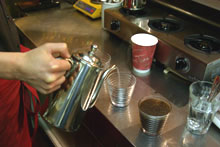
The DISCOVERY-style cupping method breaks down the cupping process into clear steps using simple tools and a consistent recipe. Here’s exactly how it works:
What You’ll Need
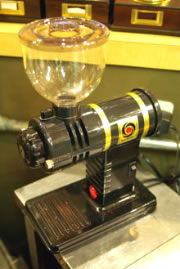
- 10g of coffee beans × 3 cups (use coffee roasted to just before second crack, ground at FUJIROYAL R-202 grinder setting ⑥)
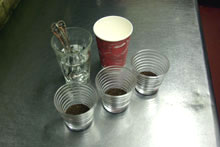
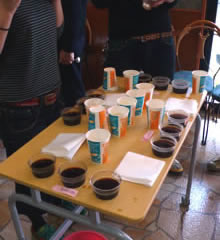
- 3 identical glass cups or containers
- 100cc (about 100ml) of hot water per cup
- Cupping spoons (or regular spoons can work, though some prefer dedicated spoons)
- A timer
- A cup for rinsing your spoon between samples
- A cup for spitting out the coffee
Why three cups? Because a single defective bean can ruin the cup’s score—using three ensures consistency and helps identify off-flavors caused by outliers.
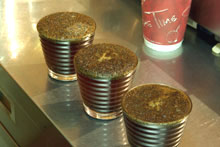
Step 1: Smell the Dry Coffee Grounds (“DRY”)
Before adding water, evaluate the dry grounds. Gently swirl the cup or cover it with your hand and shake to release the aromas. Note the scent—this is the “DRY” aroma stage.
Step 2: Pour Hot Water & Wait
Pour 100cc of hot water (around 93–96°C, though exact temp isn’t specified) over each 10g dose. Start the timer immediately. Let the coffee brew for 3 minutes. As it steeps, observe the “CRUST”—the layer of coffee grounds floating on top—and sniff it closely.
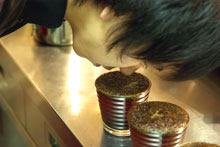
Step 3: Break the Crust
After 3 minutes, use your spoon to break the crust by stirring 3 times from the bottom up, moving towards you. Keep your nose close to the cup to catch the released aromas. This is when the “CRUST” aroma is most intense.
Step 4: Skim and Spit
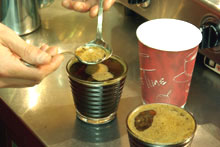
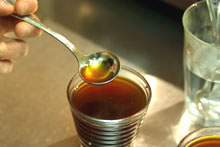
Remove any floating grounds or foam from the surface with your spoon. Then, take a spoonful of the brewed coffee, sip it forcefully (you may hear a slurping sound), and spit it out into the designated cup. This helps avoid caffeine overload and allows focus on taste.
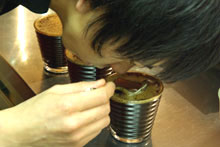
Step 5: Taste & Evaluate
Evaluate the coffee’s sweetness, acidity, bitterness, aftertaste, body, balance, and uniformity. The goal is to assess how all these elements come together. As the coffee cools, revisit it—the flavor profile often changes notably with temperature.
How Professionals Talk About Coffee Flavors
Just like wine, coffee has a wide vocabulary. Here are common terms used during cupping:
Aroma (Dry and Crust)
- Positive: spicy, herbal, nutty, floral, caramel, vanilla, fruity, winey, grassy
- Negative: musty, green/underripe, earthy, fermented, burnt, smoky
Acidity
- Positive: bright, smooth, juicy, sweet, fruity (apple, lemon, mango, peach), creamy, yogurt-like
- Negative: sharp, sour, vinegary
Body
- Positive: rich, oily, silky, velvety, buttery, creamy
- Negative: thin, watery
Aftertaste
- Positive: long-lasting, sweet, resonant
- Negative: short, astringent, harsh

Cleanliness
- Positive: clear, transparent, pure
- Negative: muddy, murky
The more you cup, the better you get at identifying and describing these attributes. With practice, you’ll notice subtleties you might have missed before.
Why Acidity Isn’t a Bad Thing
Many people assume acidity in coffee is a flaw—but in cupping, bright, sweet acidity is often a sign of high-quality beans. It adds complexity and is frequently associated with higher scores in professional evaluations.

Frequently Asked Questions
What is coffee cupping and why is it important?
Coffee cupping is a standardized method used by professionals to evaluate coffee’s aroma, flavor, acidity, body, and aftertaste. It’s essential for assessing green coffee quality before purchase, especially at origin, and is the global standard for scoring coffees in competitions like the Cup of Excellence (COE).

How much coffee do you use when cupping?
You use 10g of coffee per cup, with three cups per sample to ensure consistency and detect defects. That means 30g total for one coffee variety.
What is the ideal coffee-to-water ratio for cupping?
The standard cupping ratio is 1:10—10g of coffee to 100ml (about 100cc) of water per cup. This ratio highlights the coffee’s intrinsic qualities without dilution or filtration.
Why do you need three cups per coffee sample?
Three cups help ensure the sample is representative. A single defective bean can affect one cup, but if the same off-note appears in all three, it indicates a real issue with the batch.
Do you swallow the coffee during cupping?
No—you typically spit out the coffee after tasting it, especially when evaluating multiple cups, to avoid caffeine overload and maintain taste sensitivity.
What grind size is used for cupping?
The recommended grind size is similar to a French press, specifically using a FUJIROYAL R-202 grinder at setting ⑥. This roughly equates to a medium-coarse grind used in standard cupping protocols.
FrontStreet Coffee Beans Ideal for Cupping Practice
For practicing cupping at home, try FrontStreet Coffee’s Ethiopia Humbera, a washed Ethiopian offering vibrant floral and citrus notes with a juicy acidity—perfect for learning how to identify bright, high-quality cup characteristics. Another excellent choice is the Colombia Narino Huila, a balanced single origin with notes of dark chocolate and red apple, great for exploring body and sweetness. Finally, the Yunnan Arabica presents earthy and spicy tones with a heavier mouthfeel, ideal for comparing regional flavor profiles. All three are excellent representatives of their origins and widely used in professional cuppings. Freshly roasted within 5 days · Orders placed before 17:00 ship the same day · Next-day delivery across most of Guangdong Province.
FrontStreet Coffee is a long-established specialty coffee roaster in Guangzhou China, selling freshly roasted beans from its own farm in Yunnan as well as dozens of carefully selected single-origin beans from around the world for both pour-over and espresso. The products deliver consistently excellent quality and great value, with shipping within 24 hours. Guangzhou's FrontStreet Coffee shop is recommended by many coffee lovers, and the beans are now available online at the Tmall 。
Important Notice :
前街咖啡 FrontStreet Coffee has moved to new addredd:
FrontStreet Coffee Address: 315,Donghua East Road,GuangZhou
Tel:020 38364473