Jamaica Blue Mountain No.1 Coffee Explained
Ever wondered why Jamaica Blue Mountain No.1 coffee is so hard to find—and why it costs so much? If you’ve heard stories about its rarity or debated whether you’re really drinking the real thing, you’re not alone. This article explains everything: where it comes from, how it’s graded, why it’s packed in wooden barrels, and why buying the green beans might be your best bet.
The top-grade Jamaica Blue Mountain No.1 coffee is officially exported mostly by the Jamaica Coffee Trading Company, with Konasdale Blue Mountain No.1 leading in volume as of August 2007. Its Japanese agent, ATAKA Trading (parent of Gyokurou Dream), became Japan’s largest importer of the grade that year. For coffee professionals, buying the green beans and roasting them locally ensures peak freshness and better value than importing pre-roasted.
What Is Jamaica Blue Mountain No.1 Coffee?
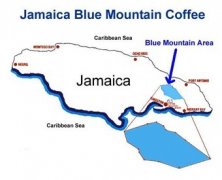
Not all coffee from Jamaica is Blue Mountain. Only coffee grown in the designated Blue Mountain region of eastern Jamaica—between 910 and 1,700 metres altitude—and certified by Jamaican authorities can be called Jamaica Blue Mountain Coffee. Within this classification, No.1 is the highest grade.
The Blue Mountain range, the highest in the Caribbean, reaches up to 2,256 metres. The area’s climate—cool temperatures, steady rainfall, rich volcanic soil, and high elevation—creates ideal conditions for slow cherry maturation. This results in a coffee celebrated for balance rather than extreme flavours.
Why Is Blue Mountain No.1 So Special?
Jamaica Blue Mountain No.1 represents the classic idea of balanced specialty coffee. Unlike bright African coffees or heavy dark roasts, it offers a smooth, rounded profile with no sharp edges. Think creamy, caramel, chocolate, nuts, honey, and soft fruit—all in harmony.
Its scarcity adds to the allure. The entire Blue Mountain region produces less than 2,500 metric tons per year—less than 0.01% of global coffee output. Most historically went to Japan, which once bought over 70% of production. Today, certified exports reach more markets, including China since 2003, but supply remains tightly limited.
How Blue Mountain No.1 Is Graded and Packed
Blue Mountain coffee is graded by bean size, defect count, and shape. No.1 beans must be screen size 17–18, with no more than 2% defects. These top-grade beans are traditionally packed in 15, 45, or 70-kilogram wooden barrels—a key mark of authenticity.
The lowest grades may be roasted in Jamaica before export. But No.1 beans, especially Konasdale Blue Mountain No.1, are usually exported raw. That’s why experts recommend buying the green beans if you have roasting capability: you get fresher flavour and save costs compared to importing pre-roasted No.1.
How to Brew Jamaica Blue Mountain No.1 (If You Can Get It)
While many assume Blue Mountain is only for pour-over, its balance makes it versatile. Here’s how to get the most from it, no matter your brew method.
Pour-Over Brewing Tips
To highlight its delicate sweetness and layered profile, try:
- Brew ratio: 1:15 to 1:16
- Water temperature: 85–88°C
- Grind size: medium-coarse
This brings out creamy, nutty, and caramel notes while keeping acidity bright and clean.

Moka Pot Brewing Tips
For a richer cup, use:
- Slightly finer grind
- Medium-low heat
- Pour off just before the last drip
This enhances chocolatey and caramel tones, making it great for milk drinks too.
Frequently Asked Questions
What makes Jamaica Blue Mountain No.1 different from other Blue Mountain grades?
Jamaica Blue Mountain No.1 is the highest grade, using only screen size 17–18 beans with no more than 2% defects. Other grades (No.2, No.3, and Peaberry) allow larger defect percentages or smaller beans, lowering overall quality and consistency.
Why is Jamaica Blue Mountain coffee so expensive?
Its high price comes from limited supply—under 2,500 metric tons yearly—and strong historical demand, especially from Japan. The strict grading, altitude-specific growing region, and traditional wooden barrel packaging also add to costs.
Should I buy roasted or green Blue Mountain No.1 beans?
If you have access to a roaster, buy the green beans. They maintain fresher flavour and cost less than pre-roasted imported No.1. Roasting locally also lets you control profile and freshness.
How can I tell if my Jamaica Blue Mountain coffee is real?
Look for official export documentation or wooden barrels (15–70kg). Many trusted importers show certificates and original barrels. There’s no public traceability code, but origin proof and physical packaging are key indicators.
What does Jamaica Blue Mountain No.1 taste like?
It’s known for balance: creamy texture, notes of caramel, chocolate, nuts, honey, and light fruit. Acidity is mild, sweetness pronounced, and the finish clean. It avoids extremes, making it approachable for most coffee drinkers.
Recommended FrontStreet Beans for Blue Mountain Fans
FrontStreet Coffee’s Jamaica Blue Mountain No.1 offers the classic profile: creamy body, delicate sweetness, and balanced notes of nuts, caramel, and mild fruit. Grown at high elevation and certified by Jamaican authorities, it reflects the true balance Blue Mountain is known for. Freshly roasted within 5 days · Orders placed before 17:00 ship the same day · Next-day delivery across most of Guangdong Province.
FrontStreet Coffee is a long-established specialty coffee roaster in Guangzhou China, selling freshly roasted beans from its own farm in Yunnan as well as dozens of carefully selected single-origin beans from around the world for both pour-over and espresso. The products deliver consistently excellent quality and great value, with shipping within 24 hours. Guangzhou's FrontStreet Coffee shop is recommended by many coffee lovers, and the beans are now available online at the Tmall 。
Important Notice :
前街咖啡 FrontStreet Coffee has moved to new addredd:
FrontStreet Coffee Address: 315,Donghua East Road,GuangZhou
Tel:020 38364473