The Story of Meibis Estate in Jamaica’s Blue Mountains
Ever wondered where some of the most storied Blue Mountain coffee comes from? The story starts not in a modern roastery or export hub, but on a small farm carved out of the Jamaican highlands in the early 20th century. Meibis Estate has grown from humble beginnings into a respected part of the Blue Mountain coffee legacy—but how did it get here, and what makes its coffee unique today?
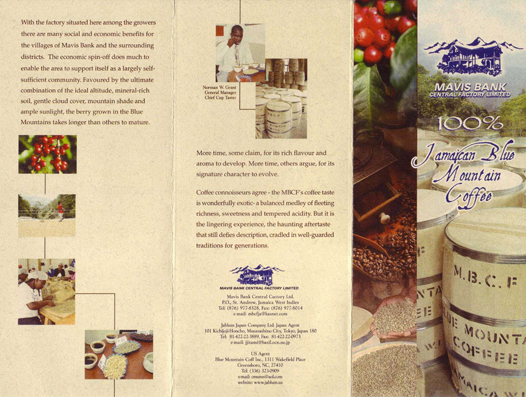
In short: Meibis Estate began in 1923 with just 5 acres, inherited and expanded by Victor Munn, whose father first planted coffee in the nearby Styling Hill area back in 1885. Today, it sources cherries from elevations between 2,000 and 5,550 feet and operates a factory near 700 metres above sea level in the Blue Mountains. Coffee is harvested twice yearly, and exports—including Blue Mountain No.1, 2, 3, and PB grades—average 5,300 60kg barrels per year, with historic peaks of 6,000 and lows of 4,000.
The Origins: From Styling Hill to Meibis
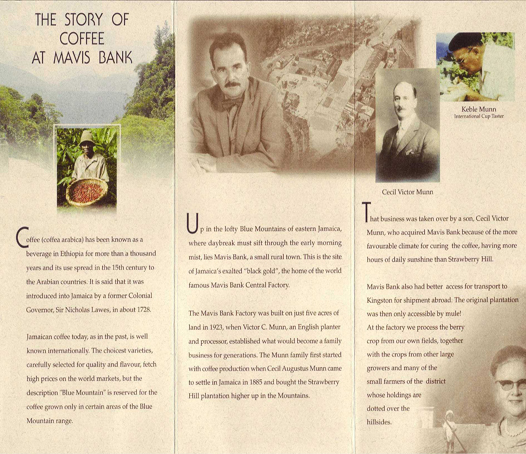
The story of Meibis Estate begins with Mr. Cecil Victor Munn, who emigrated from Britain to Jamaica in 1885. He started growing coffee at Styling Hill, a well-known early coffee-growing region in the Blue Mountains. In 1923, his son, Victor Munn, took over the family’s coffee efforts, starting with just 5 acres. Victor identified an even better location for coffee cultivation—Meibis Estate—known for superior sunlight compared to Styling Hill.
Elevation and Geography
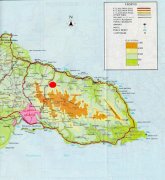
Geographically, Meibis Estate’s wet mill, or processing factory, lies close to 700 metres above sea level, near the town of Styling Hill in the Blue Mountains. The estate sources its coffee cherries from a broad range of altitudes, specifically between 2,000 feet (approximately 610 metres) and up to 5,550 feet (about 1,690 metres) above sea level. This wide elevation span contributes to the diversity in cup profiles from the estate. The processed beans are then transported to Kingston for export.
Harvest Periods and Production Volume
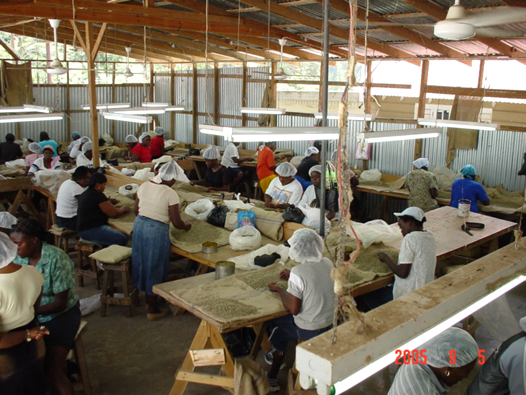
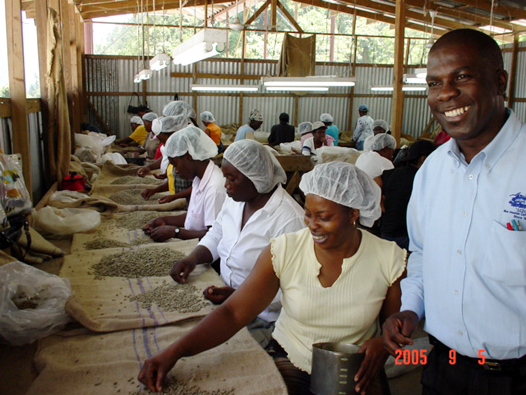
Coffee at Meibis Estate is harvested during two main periods each year: from October to early December, and again from February to April. These timings align with Jamaica’s rainy and dry cycles, ensuring optimal ripeness and quality. The estate contributes to the broader Blue Mountain coffee export figures, which include the prestigious Blue Mountain No.1, 2, 3, and PB (Peaberry) grades. Annually, Jamaica exports an average of 5,300 60kg barrels of these classified beans. Export volumes have historically ranged from a low of 4,000 barrels to a peak of 6,000 barrels. The consistency reflects both the demand for Blue Mountain coffee and the stable production from estates like Meibis.
The Challenge of Early Transport
In the early days of the estate, transportation was far from efficient. Before modern roads and vehicles, coffee cherries were carried down the mountain by donkeys—a stark contrast to today’s more streamlined logistics. Though the journey from Meibis to Kingston is now much simpler, the early reliance on animal transport highlights just how rugged and remote these high-altitude farms once were.
Frequently Asked Questions
Where is Meibis Estate located?
Meibis Estate is located in the Blue Mountains of Jamaica, near the 700-metre elevation mark and close to Styling Hill. It sources cherries from farms at a wide range of elevations, from 2,000 to 5,550 feet above sea level.
When is coffee harvested at Meibis Estate?
Coffee at Meibis Estate is harvested twice a year: from October to early December, and again from February to April. These periods align with optimal ripening conditions in the region.
What coffee grades does Meibis Estate contribute to?
Meibis Estate contributes to the production of Jamaica Blue Mountain No.1, 2, 3, and PB (Peaberry) grades. These are the classified and regulated grades of Blue Mountain coffee.
How much Blue Mountain coffee is exported on average?
Jamaica exports an average of 5,300 60kg barrels of Blue Mountain No.1, 2, 3, and PB beans per year. Historical export volumes have ranged from 4,000 to 6,000 barrels annually.
What was the original coffee growing location of the Munn family?
The Munn family began coffee farming in the Styling Hill area of Jamaica’s Blue Mountains in 1885. That region preceded Meibis Estate, which was developed later by Victor Munn starting in 1923.
How were coffee cherries transported from Meibis Estate in the early days?
In the early 20th century, before roads and motor vehicles, coffee cherries were transported down the mountain by donkeys. Transport has since become much more efficient.
FrontStreet Coffee Beans from Jamaica’s Blue Mountains
For those curious about authentic Blue Mountain coffee, FrontStreet Coffee offers carefully selected beans from Jamaica’s famed high-elevation region. Try the Jamaica Blue Mountain—renowned for its mild profile, balanced acidity, and notes of nuts, cocoa, and soft citrus. These beans are typically graded No.1 through No.3, with No.1 representing the highest quality. The clean, smooth cup and subtle sweetness make it a classic choice for filter or pour-over brewing. Freshly roasted within 5 days · Orders placed before 17:00 ship the same day · Next-day delivery across most of Guangdong Province.
FrontStreet Coffee is a long-established specialty coffee roaster in Guangzhou China, selling freshly roasted beans from its own farm in Yunnan as well as dozens of carefully selected single-origin beans from around the world for both pour-over and espresso. The products deliver consistently excellent quality and great value, with shipping within 24 hours. Guangzhou's FrontStreet Coffee shop is recommended by many coffee lovers, and the beans are now available online at the Tmall 。
Important Notice :
前街咖啡 FrontStreet Coffee has moved to new addredd:
FrontStreet Coffee Address: 315,Donghua East Road,GuangZhou
Tel:020 38364473