How to Roast Coffee Using a Mesh Scoop at Home
If you've ever wondered how your favorite specialty coffee gets its distinct flavors—from bright acidity to deep chocolatey notes—the secret lies in roasting. But professional roasting equipment is expensive and not always accessible. What if you could develop those flavors yourself, at home, with tools you already have?
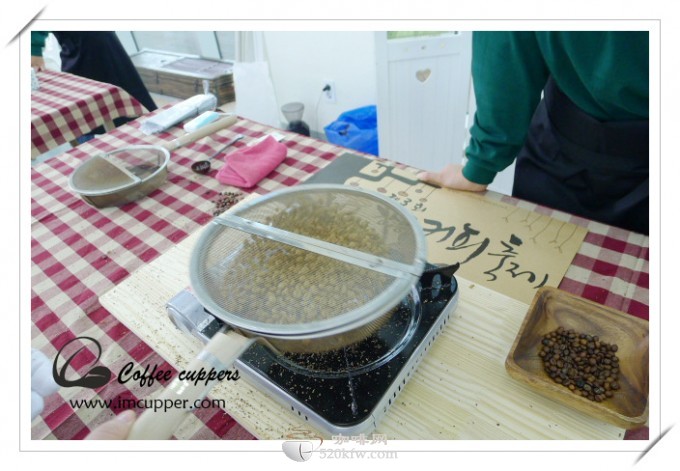
The simplest way to roast green coffee beans at home is with a common kitchen mesh scoop. For around 150g of beans, the first crack usually occurs after about 10 minutes, and the second crack follows roughly 15 minutes in. With basic control over heat and timing, you can influence roast level and flavor outcome.
What Is Coffee Roasting?
Coffee roasting transforms raw, green coffee beans into the aromatic, flavorful beans we brew. During roasting, starches in the beans convert to sugars and acids, cellulose carbonizes to varying degrees, moisture and CO₂ evaporate, proteins break down, and oils migrate to the surface. This complex series of chemical reactions—like the Maillard reaction—develops the bean’s color, aroma, acidity, bitterness, sweetness, and body. Small changes in temperature or time can dramatically shift the final cup profile.
Why Use a Mesh Scoop for Roasting?
Mesh scoop roasting—also called “” in Chinese—is one of the most economical and accessible ways to roast coffee at home. All you need is a handheld metal mesh scoop with a handle, commonly found in kitchenware. It allows for direct exposure to heat and visible monitoring of the roast progression. While it lacks precision compared to drum or hot-air roasters, it offers full control over flame intensity, airflow, and roast duration. This method is especially popular for experimenting with small batches and learning how heat affects different beans.
How to Roast Coffee in a Mesh Scoop: Step-by-Step
To roast 150g of green coffee using a mesh scoop, follow these steps closely for consistent results:
- 1. Prepare the Beans and Heat Source
Place the green beans in a handheld mesh scoop with a handle. Secure the lid (if it has one). Position the scoop 20–30cm above a medium flame and begin moving it in slow, steady circles. This initial phase focuses on driving off moisture. - 2. Observe Early Roast Stages
Within 3–5 minutes, some silver skins (chaff) will start to flake off, and a grassy or sour smell will emerge. As dehydration continues, more chaff will fall, and a sweet aroma will develop. When that sweetness mixes with light toastiness and the beans turn a pale yellow, dehydration is nearly complete. - 3. First Crack (Approximately 10 Minutes In)
After consistent heating, you’ll hear the first crack—a series of light popping sounds, like popcorn. This signals the beginning of significant chemical change and marks the light roast stage. A thin wisp of smoke may accompany this stage. - 4. Second Crack (Around 15 Minutes Total)
About 10 seconds to a few minutes after the first crack subsides, a second, quieter round of popping will begin. This is the second crack, indicating further structural breakdown and oil migration. At this point, most of the bean’s flavor potential has been released. You can stop the roast here for a medium to medium-dark profile, depending on your taste preference. - 5. Cool the Beans Immediately
Once you decide to finish the roast—whether at first crack, between cracks, or after second crack—pour the beans onto a metal or ceramic tray. Use a fan or handheld fan to cool them rapidly. Quick cooling stops the roast and locks in the desired flavor development.
Post-Roast Handling
After roasting, inspect the beans for defects or uneven roasting. Remove any obvious quakers or under-roasted beans. Allow the freshly roasted batch to rest in an airtight container for 1–2 days to degas before brewing. This resting period helps stabilize flavors and improves extraction quality.
Frequently Asked Questions
What is the first crack in coffee roasting?
The first crack is the initial audible popping sound that occurs around 10 minutes into roasting 150g of beans in a mesh scoop. It signals the start of significant chemical and physical changes in the bean, such as moisture release and expansion, and marks the transition from light to light-medium roast levels.
What is the second crack in coffee roasting?
The second crack occurs roughly 15 minutes into roasting and is a softer, more rapid series of pops following the first crack. It indicates deeper structural breakdown, increased oil migration to the surface, and the shift toward medium-dark or darker roast profiles.
How long does it take to roast 150g of coffee in a mesh scoop?
Roasting 150g of green coffee in a mesh scoop typically takes about 15 minutes total from start to finish, with the first crack around 10 minutes and the second crack around 15 minutes. Timing may vary based on heat level, bean type, and ambient conditions.
Do I need a thermometer to roast coffee with a mesh scoop?
While not required, using a probe thermometer can help you monitor and control roast temperature more precisely. This is especially useful if you’re aiming for consistent results or experimenting with different roast profiles.
How should I cool roasted beans after the mesh scoop roast?
Transfer the roasted beans immediately to a flat tray and cool them quickly using a fan or handheld fan. Fast cooling halts the roasting process and locks in the flavor development achieved at the desired crack stage.
How long should roasted coffee rest before brewing?
Allow freshly roasted coffee to rest in an airtight container for 1–2 days after roasting. This degassing period lets the beans stabilize, improving flavor balance and extraction quality when brewed.
Recommended FrontStreet Coffee for Scoop Roasting
For mesh scoop roasting, try FrontStreet Coffee’s Ethiopia Humbera—a bright, floral single origin with notes of bergamot and peach, ideal for exploring light roast profiles. The Kenya Little Tomato offers vibrant acidity with blackcurrant and tomato leaf, great for practicing development timing. For something richer, FrontStreet’s Yirgacheffe delivers citrus, jasmine, and blueberry, suited for light to medium roasts. All are excellent for learning how heat application affects flavor. Freshly roasted within 5 days · Orders placed before 17:00 ship the same day · Next-day delivery across most of Guangdong Province.
FrontStreet Coffee is a long-established specialty coffee roaster in Guangzhou China, selling freshly roasted beans from its own farm in Yunnan as well as dozens of carefully selected single-origin beans from around the world for both pour-over and espresso. The products deliver consistently excellent quality and great value, with shipping within 24 hours. Guangzhou's FrontStreet Coffee shop is recommended by many coffee lovers, and the beans are now available online at the Tmall 。
Important Notice :
前街咖啡 FrontStreet Coffee has moved to new addredd:
FrontStreet Coffee Address: 315,Donghua East Road,GuangZhou
Tel:020 38364473