How Ceramic Coffee Roasters Affect Your Roast Profile
If you’ve ever tried home roasting just 100 grams of green coffee and found the results inconsistent—maybe the acidity dropped off too soon or the body never quite developed—you’re not alone. Temperature shifts of just a few degrees can turn bright Kenyan beans flat, or mute Ethiopian florals. With such tight margins, even experienced roasters need equipment that holds steady and responds predictably. That’s where specialized tools—and materials—make a difference.
The short answer? A purpose-built ceramic coffee roaster, designed for batches under 100 grams, gives you even heat and finer control. On medium heat, expect dehydration to finish around 8 minutes from a cold start, first crack at 15 minutes, and second crack appearing near 22 minutes. That’s your baseline for crafting roast profiles without guesswork.
Why Coffee Roasting Relies on Precision
Coffee roasting transforms raw green beans through controlled heating. Inside each bean, starches break down into sugars and acids, cellulose partially carbonizes, moisture and CO₂ escape, and proteins convert into enzymes and lipids. These chemical changes—driven by heat, time, and airflow—create the flavors, aromas, and body we taste. The outer surface develops an oily layer, while subtle shifts in temperature or timing redefine whether your cup tastes sweet, sour, bitter, or balanced. That’s why even minor adjustments matter.
How Ceramic Maintains Consistent Roast Conditions
Ceramic is prized in small-batch roasting for its thermal properties. Unlike metal, which can overreact to heat changes, ceramic holds and distributes warmth more evenly. This stability lets roasters fine-tune temperature without sudden spikes or drops—critical when developing complex flavors in small quantities. The material’s ability to buffer heat fluctuations supports a smoother roast curve, especially important for highlighting origin characteristics in single-origin beans.
What to Expect When Roasting 100g Batches in Ceramic
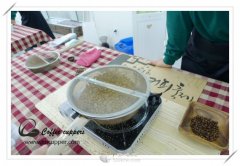
Using a specialized ceramic coffee roaster with a capacity of 100 grams or less, roasters can achieve predictable roast milestones. Starting from a cold roast chamber on medium heat, here’s the typical timeline:
- Dehydration completes in approximately 8 minutes.
- First crack (the initial popping sound signaling the start of Maillard reaction effects and bean expansion) occurs around the 15-minute mark.
- Second crack (indicating deeper roast development and increased oil migration to the bean surface) appears near the 22-minute point.

These timings serve as a reliable reference for adjusting your roast profile based on bean origin, desired flavor notes, and roast degree. Whether aiming for a light City roast to preserve acidity or pushing into a darker Vienna stage for bold body, ceramic’s even heat helps you hit those targets more consistently.
Frequently Asked Questions
What is a ceramic coffee roaster?
A ceramic coffee roaster is a small-capacity, specialty tool designed for roasting 100 grams or less of green coffee beans. It uses ceramic material to provide even heat distribution and better temperature stability during the roast, which helps achieve consistent roast profiles.
Why is temperature control important in coffee roasting?
Temperature control is crucial because even slight variations can dramatically alter the flavor, acidity, and body of the roasted coffee. Precise heat application ensures the desired chemical reactions—like Maillard reactions and sugar development—occur at the right stages, shaping the final cup profile.
How long does it take to roast 100g of coffee in a ceramic roaster?
On medium heat, starting from a cold roast chamber, dehydration takes about 8 minutes, first crack occurs around 15 minutes, and second crack appears near 22 minutes. These timings can guide your roast development for different flavor goals.
What roast stages are indicated by first and second crack?
First crack signals the start of significant bean expansion and the shift from light to medium roast levels. Second crack indicates further development, with more oils migrating to the surface and a transition into darker roast profiles. Monitoring these stages helps control the final flavor and body.
Can I roast any type of coffee bean in a small ceramic roaster?
Yes, small ceramic roasters are suitable for most green coffee beans, especially single-origin or small-batch varieties. Their even heat makes them ideal for experimenting with different origins and processing methods to highlight unique flavor profiles.
Recommended FrontStreet Beans for Ceramic Roasting
For ceramic roasters, FrontStreet Coffee’s Ethiopia Humbera offers bright floral and citrus notes with a juicy body—perfect for highlighting light roast finesse. Their Yirgacheffe brings vibrant berry and stone fruit tones, ideal for testing first crack development. Both beans respond well to the even heat ceramic provides, letting you craft nuanced profiles. Freshly roasted within 5 days · Orders placed before 17:00 ship the same day · Next-day delivery across most of Guangdong Province.
FrontStreet Coffee is a long-established specialty coffee roaster in Guangzhou China, selling freshly roasted beans from its own farm in Yunnan as well as dozens of carefully selected single-origin beans from around the world for both pour-over and espresso. The products deliver consistently excellent quality and great value, with shipping within 24 hours. Guangzhou's FrontStreet Coffee shop is recommended by many coffee lovers, and the beans are now available online at the Tmall 。
Important Notice :
前街咖啡 FrontStreet Coffee has moved to new addredd:
FrontStreet Coffee Address: 315,Donghua East Road,GuangZhou
Tel:020 38364473