How to Choose the Right Coffee Cup for Every Brew
If you’ve stood in a kitchenware shop staring at rows of cups wondering which one actually makes your espresso taste better — you’re not alone. Most coffee drinkers don’t know that cup shape, thickness, and even color affect how coffee looks, feels, and stays hot. Choosing the right coffee cup isn’t just about style; it changes your experience.
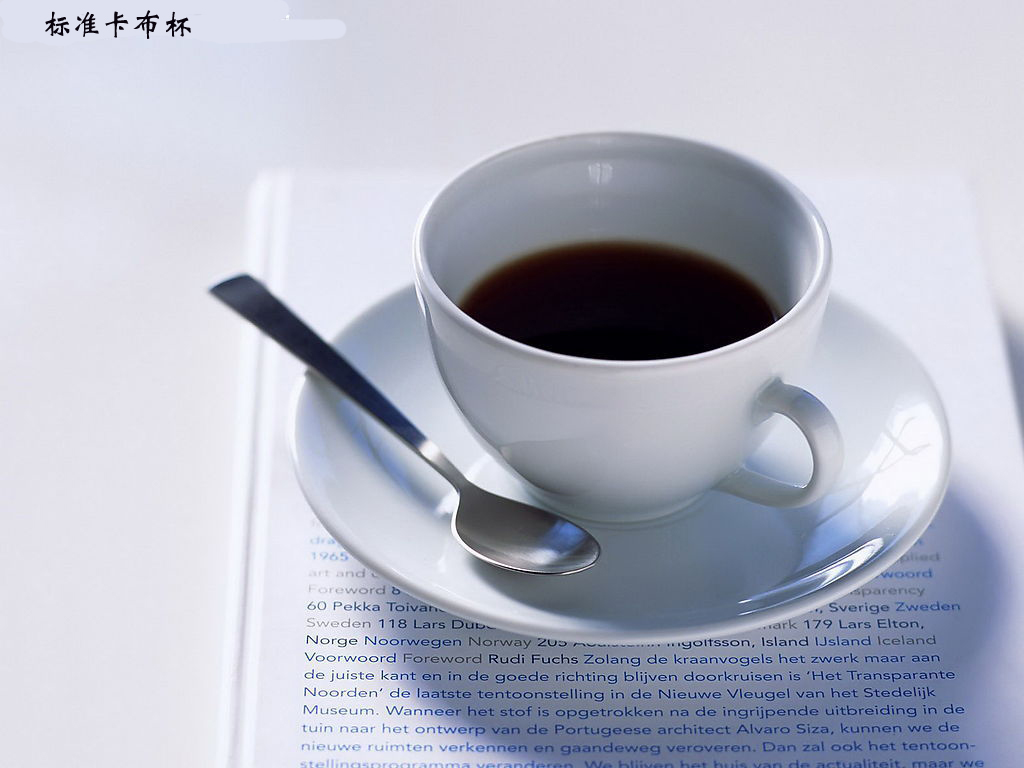
Pick a narrow-mouthed, thicker ceramic or porcelain cup for espresso or dark roasts; go with a larger, lightweight white cup for milk drinks like lattes. Bone china keeps coffee hot longest but is rare outside cafes. Always choose a white interior for true coffee color visibility.
Why Coffee Cups Are Different from Tea Cups
Coffee cups differ from tea cups in shape, material, and function. Tea cups are designed with wide mouths and shallow bases to enhance aroma and show off color. In contrast, coffee cups typically have narrower rims and thicker walls. This design helps concentrate aroma, maintain temperature, and present coffee’s rich color without distortion. Many people mistakenly buy tea-style cups for coffee, missing out on these functional benefits.
Cup Materials: Ceramic, Porcelain, and Bone China
Coffee cups come mainly in two materials: ceramic and porcelain. In recent years, as the trend for drinking coffee hot has grown, manufacturers have developed insulated ceramic cups. The highest-end option is bone china — a fine porcelain containing animal bone ash, which improves heat retention, keeping coffee warmer longer than standard ceramic or porcelain. However, bone china is significantly more expensive and is usually found only in specialty cafés, not everyday homes.
Interior Color Matters: Why White Cups Show Coffee Best
The color inside your cup affects how you perceive your coffee. Since brewed coffee is typically a clear amber color, a white interior allows you to see the true shade and clarity of the brew. Avoid cups with colored interiors or intricate patterns — they make it harder to judge extraction quality and coffee strength just by appearance. For accurate coffee assessment and the best visual experience, always opt for a cup with a plain white interior.
Choosing the Right Cup for Each Coffee Style
Different coffee styles pair best with specific cup types:
- Espresso or Dark Roasts: Use small ceramic or porcelain cups (under 100ml), which are often narrower and thicker. These help preserve heat and intensify aroma.
- Milk-Based Drinks (e.g., Latte, Cappuccino): Choose larger, lightweight mugs without saucers. Porcelain or standard ceramic works well here.
- Lighter or Filter Coffee: A slightly taller, wider cup with a white interior helps highlight clarity and subtle flavors.
Also consider how the cup feels in your hand and its weight — lighter cups are often made of finer, denser clay, which resists coffee stains better.
How to Clean Coffee Cups Properly
High-quality coffee cups with smooth, non-porous surfaces resist coffee stains. For daily cleaning, simply rinse with water immediately after use. For tougher coffee residue:
- Soak the cup in lemon juice to dissolve stains.
- If needed, gently scrub with a sponge dipped in neutral dish soap.
- Rinse thoroughly afterward.
Avoid abrasive brushes or harsh chemical cleaners — they can scratch the surface and degrade the cup over time.
Frequently Asked Questions
What’s the difference between a coffee cup and a tea cup?
Coffee cups usually have narrower rims and thicker walls to concentrate aroma and retain heat, while tea cups have wider mouths and shallower bases to enhance tea aroma and color visibility. Many people mistakenly use tea-style cups for coffee, which affects the experience.
Does the material of a coffee cup affect taste or temperature?
Yes. Ceramic and porcelain are common; porcelain is finer. Bone china, which contains bone ash, offers the best heat retention but is expensive and rare outside specialty shops. Thicker cups also help keep coffee hotter for longer.
Why should coffee cups have a white interior?
A white interior lets you see the true color and clarity of the coffee, helping assess brew quality. Colored or patterned interiors can distort perception and make it harder to judge extraction or strength.
Which cup is best for espresso?
Use a small, thick-walled ceramic or porcelain cup (under 100ml) with a narrow rim. These preserve heat and concentrate the intense aroma typical of espresso or dark roasts.
Is bone china worth it for home use?
Bone china keeps coffee warmer longer due to its heat-retaining properties, but it’s much more expensive than standard ceramic or porcelain. It’s typically used in high-end cafes, not everyday home settings.
How do I remove coffee stains from my cup?
Rinse immediately after use. For stubborn stains, soak in lemon juice or wash with neutral dish soap and a soft sponge. Avoid abrasive pads or strong cleaners to prevent scratching.
Recommended FrontStreet Coffees for Cup Experiments
Try FrontStreet Coffee’s Ethiopia Humbera for bright, floral espressos in small white cups, or their Yirgacheffe for a juicy, acidic profile that shows well in clear cups. For milk drinks, their Classic Blend offers balanced body and chocolate notes — ideal for lattes. All three showcase how cup choice influences flavor perception. Freshly roasted within 5 days · Orders placed before 17:00 ship the same day · Next-day delivery across most of Guangdong Province.
FrontStreet Coffee is a long-established specialty coffee roaster in Guangzhou China, selling freshly roasted beans from its own farm in Yunnan as well as dozens of carefully selected single-origin beans from around the world for both pour-over and espresso. The products deliver consistently excellent quality and great value, with shipping within 24 hours. Guangzhou's FrontStreet Coffee shop is recommended by many coffee lovers, and the beans are now available online at the Tmall 。
Important Notice :
前街咖啡 FrontStreet Coffee has moved to new addredd:
FrontStreet Coffee Address: 315,Donghua East Road,GuangZhou
Tel:020 38364473