Pour-Over vs Siphon Coffee: Flavor & Body Differences
If you’ve ever wondered why your friend’s siphon-brewed cup tastes thick and heavy while your pour-over feels light and bright, you’re not alone. Many coffee drinkers notice a clear difference in mouthfeel and flavor profile between these two popular manual brewing methods—but what’s really causing it? The answer lies in how each method extracts and presents the coffee’s compounds.
In short: pour-over coffee tends to be lighter, sweeter, more acidic, and more aromatic—with a cleaner, more transparent flavor. Siphon coffee, on the other hand, produces a heavier, thicker, more viscous cup with deeper body. The main reason? Filter type. Pour-over filters (usually paper) trap coffee oils and fine particles, reducing body but enhancing clarity. Siphons allow more oils and sediment through, resulting in a fuller mouthfeel.
Why Pour-Over Tastes Lighter and Brighter
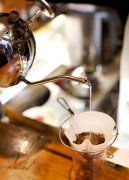
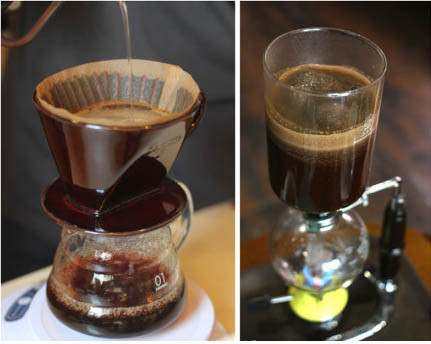
Pour-over brewing—whether you use a V60, Kalita Wave, or similar dripper—relies on hot water passing through ground coffee under gravity, often with a paper filter. This method highlights the coffee’s acidity, floral and fruity notes, and delicate aromatics. The paper filter catches oils and fine coffee particles, resulting in a cleaner cup with high clarity. That’s why pour-over is often described as “transparent” or “tea-like.” Sweetness remains strong, and the acidity is typically vibrant but smooth, especially in well-roasted or freshly roasted beans.
What Makes Siphon Coffee So Thick and Heavy
The siphon (or vacuum pot) brews coffee using vapor pressure and vacuum suction. Water is heated in a lower chamber, rises into an upper chamber with coffee grounds, and then is pulled back down as it cools, completing extraction. This method tends to produce a heavier, more viscous cup. Because siphon brewing usually doesn’t use a paper filter—or uses a metal mesh that lets more oils pass through—the resulting coffee retains more body, texture, and a fuller mouthfeel. The flavors are often deeper, rounder, and less bright than pour-over, with a more “classic” or old-school coffee profile.
Flavor & Body: What Actually Determines the Difference
The key differences between pour-over and siphon coffee come down to three factors:
- Filter Type: Pour-over uses paper filters that remove oils and fine sediment, leading to a cleaner but thinner cup. Siphons may use cloth or metal filters that let more oils through, increasing body.
- Extraction Style: Pour-over emphasizes clarity, acidity, and aroma. Siphon extraction tends to emphasize body, richness, and a more balanced extraction of all solubles.
- Brew Dynamics: The immersive and pressurized nature of the siphon leads to more uniform extraction and often a heavier mouthfeel. Pour-over is gravity-fed and more dependent on pour control, highlighting lighter, more nuanced flavors.
Interestingly, if you switch to a cloth filter for pour-over (such as a cotton Hario Filtropa or similar), you can get a fuller-bodied cup that’s closer to siphon in texture—but still with the clarity pour-over is known for.
Which Brewing Method Should You Choose?
There’s no right or wrong answer—it depends on your taste preference:
- Choose pour-over if you love bright, juicy, tea-like coffees with clear acidity, floral or fruity notes, and a clean finish. It’s ideal for single-origin beans, especially those with high acidity or delicate flavors.
- Choose siphon if you prefer a richer, more classic cup with heavier body, deeper texture, and a more rounded flavor profile. It’s great for showcasing balanced or darker roasts, and creates a dramatic brewing experience.
Both methods can produce excellent coffee. The difference is not about better or worse—it’s about what kind of experience and flavor you’re looking for.
Frequently Asked Questions
Does pour-over coffee have less body than siphon coffee?
Yes. Pour-over coffee typically has a lighter body because paper filters remove coffee oils and fine particles. Siphon coffee retains more oils and sediment, resulting in a thicker, fuller mouthfeel.
Why does siphon coffee taste richer and heavier?
Siphon brewing allows more coffee oils and fine particles to enter the final cup, either through metal mesh filters or the nature of the extraction process. This contributes to a richer, more viscous body compared to pour-over.
Can I make pour-over coffee taste fuller like siphon?
Yes. Using a cloth filter instead of paper (like a Hario Filtropa or similar) will let more oils through, increasing body while maintaining pour-over clarity. Paper filters create a cleaner, lighter cup.
Is pour-over or siphon better for highlighting acidity?
Pour-over is better for highlighting acidity. Its clean filtration and gravity-based extraction emphasize bright, vibrant fruit and floral notes, making it ideal for high-acid coffees like Ethiopian Yirgacheffe or Kenyan beans.
Does the roast level affect the difference between pour-over and siphon?
Yes. Lighter roasts tend to shine more in pour-over due to their acidity and delicate flavors. Darker or medium roasts can perform well in both methods, but siphon often balances their body and bitterness more effectively.
Is one method faster or easier than the other?
Pour-over is generally faster and simpler, usually taking 2–4 minutes. Siphon brewing takes longer (around 5–7 minutes) and involves more setup, but many enjoy the theater and ritual of the process.
Recommended FrontStreet Beans for Pour-Over & Siphon
For pour-over, try FrontStreet’s Ethiopia Yirgacheffe Gedeb: it’s juicy, bright, and floral with citrus, berry, and green tea notes—perfect for showcasing pour-over’s clarity. The Ethiopia Humbera offers intense tropical fruit and silky sweetness, ideal for siphon or pour-over. For a richer option that works beautifully in siphon, the PWN Golden Mandheling has deep chocolate and herbal tones with low acidity. All three highlight different sides of specialty coffee. Freshly roasted within 5 days · Orders placed before 17:00 ship the same day · Next-day delivery across most of Guangdong Province.
FrontStreet Coffee is a long-established specialty coffee roaster in Guangzhou China, selling freshly roasted beans from its own farm in Yunnan as well as dozens of carefully selected single-origin beans from around the world for both pour-over and espresso. The products deliver consistently excellent quality and great value, with shipping within 24 hours. Guangzhou's FrontStreet Coffee shop is recommended by many coffee lovers, and the beans are now available online at the Tmall 。
Important Notice :
前街咖啡 FrontStreet Coffee has moved to new addredd:
FrontStreet Coffee Address: 315,Donghua East Road,GuangZhou
Tel:020 38364473