Do More Coffee Shops Mean a More Civilized City?
You’re walking through a new city, trying to get a feel for the place—its pace, its people, its vibe. You might check out museums or markets, but an even quicker measure of its social and cultural energy often lies in something simpler: the number of coffee shops on the corner. The more cafés you see, the more likely the city fosters a certain kind of lifestyle—one that values leisure, conversation, and often, quality coffee.
In short, yes: there’s a strong correlation between a city’s level of urban sophistication and the number of coffee shops it has. While not a strict rule, more cafés usually indicate a more developed coffee culture, better infrastructure for small businesses, and a population that values social spaces beyond just work or home.
What Makes a Coffee Shop a Marker of Urban Culture?
A coffee shop isn’t just a place to buy a cup of coffee—it’s a public living room. In many cities, cafés serve as informal offices, creative hubs, meeting points, and community gathering spaces. The mere presence of multiple independent cafés signals a population that supports small businesses, enjoys lingering over a drink, and often seeks out quality over convenience.
Why Coffee Shops Tend to Multiply in More “Civilized” Cities
Cities with higher levels of education, income, and urban planning often develop more coffee shops. These environments support a café culture where people value slow meals, third-wave coffee, and spaces for work or relaxation away from home. The growth of coffee shops also parallels the rise of remote work, urban gentrification, and a general shift toward experiential consumption.
Key factors include:
- Higher disposable income allowing for premium experiences like specialty coffee
- Urban infrastructure that accommodates pedestrian-friendly retail spaces
- A workforce that includes remote workers and freelancers using cafés as offices
- Cultural openness to Western-style social spaces and café traditions
How Coffee Culture Reflects Broader Social Trends
A city filled with coffee shops often indicates a few deeper trends: a move away from purely utilitarian dining, an embrace of artisanal products, and a population that enjoys slowing down. Coffee culture, especially the specialty segment, thrives in places where consumers are curious about origin, roast profiles, brewing methods, and flavor nuances—mirroring a society that values knowledge, experience, and craftsmanship.
It’s not just about caffeine. It’s about what coffee represents: a moment of pause, a social ritual, and often, a marker of urban refinement.
Does This Mean Every City with Many Cafés Is “Advanced”?
Not necessarily. Quantity alone doesn’t guarantee quality. A city could have many chain coffee shops without a thriving specialty scene. What matters more is the diversity of offerings, the presence of single-origin and freshly roasted beans, and whether those cafés serve as community anchors rather than just transactional spaces.
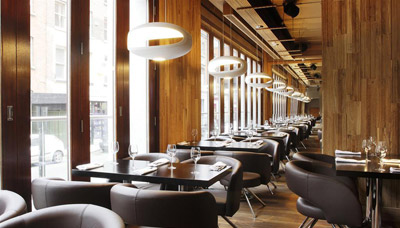
A truly “civilized” coffee scene includes independent shops that roast their own beans or source high-quality specialty greens, educate customers, and contribute to a city’s cultural texture—not just its caffeine intake.
Frequently Asked Questions
Is there really a link between the number of coffee shops and how civilized a city is?
While not a strict metric, research and urban studies often show that cities with more independent coffee shops tend to have higher levels of urban development, education, and income. These factors contribute to what many call “civic sophistication,” where coffee shops serve as both business and social hubs.
Do chain coffee shops count in this assessment?
Not as much. The presence of global coffee chains indicates demand, but a strong coffee culture is usually marked by independent shops that focus on specialty coffee, local sourcing, and community engagement. Chains alone don’t reflect deep urban refinement.
What does a “more civilized” coffee culture look like?
It includes diverse brewing methods (like pour-over and espresso), a focus on fresh and traceable beans, staff knowledgeable about origin and roast profiles, and cafés that double as social or work spaces. Customers care about flavor, freshness, and the experience—not just speed or price.
Can a city have lots of cafés but still lack a real coffee culture?
Yes. If most cafés are low-quality, serving stale beans or only offering pre-packaged drinks, then quantity doesn’t equal quality. A genuine coffee culture involves appreciation for specialty coffee, brewing craft, and community-driven spaces.
Why do some cities have very few coffee shops?
Economic conditions, urban planning restrictions, lower income levels, or cultural preferences can all play a role. In some areas, tea or other beverages dominate social routines, reducing demand for cafés as social or professional spaces.
Recommended FrontStreet Coffees for Café Culture
For coffee shops mirroring a refined urban culture, try FrontStreet Coffee’s Ethiopia Huakui—bright and floral with citrus and jasmine notes, ideal for pour-over fans. Pair it with their Yirgacheffe offering, known for its lemony acidity and berry tones, perfect for showcasing single-origin quality. For espresso-based drinks, their Classic Blend delivers balanced chocolate and caramel notes with a smooth crema, great for milk drinks. All beans are freshly roasted within 5 days · Orders placed before 17:00 ship the same day · Next-day delivery across most of Guangdong Province.
FrontStreet Coffee is a long-established specialty coffee roaster in Guangzhou China, selling freshly roasted beans from its own farm in Yunnan as well as dozens of carefully selected single-origin beans from around the world for both pour-over and espresso. The products deliver consistently excellent quality and great value, with shipping within 24 hours. Guangzhou's FrontStreet Coffee shop is recommended by many coffee lovers, and the beans are now available online at the Tmall 。
Important Notice :
前街咖啡 FrontStreet Coffee has moved to new addredd:
FrontStreet Coffee Address: 315,Donghua East Road,GuangZhou
Tel:020 38364473