Why Kopi Luwak Tastes So Divisive Among Coffee Experts
When coffee professionals take a sip of kopi luwak, their reactions don’t just differ—they collide head-on. Some insist it’s a once-in-a-lifetime cup, rich with strange, lingering flavors. Others say it’s undrinkable, a novelty gone too far. What makes this coffee so polarizing? You’re not alone in wondering whether the hype is worth the controversy—or the price.
The short answer: Kopi luwak tastes radically different from regular coffee due to how it’s processed—by the Asian palm civet. Most comes from low-elevation Robusta beans, which already have bold, earthy profiles. The civet’s digestion further alters the beans, resulting in an unusually thick body and pungent aromas. Reactions range from ‘liquefied earth and umami’ to ‘rancid and nauseating.’
What Is Kopi Luwak—and How Is It Made?
Kopi luwak, also known as civet coffee, originates from coffee cherries eaten and excreted by the Asian palm civet, a small mammal native to Southeast Asia. The beans ferment inside the civet’s digestive tract, where enzymes alter their chemical makeup before they’re collected, cleaned, roasted, and brewed. Though the process sounds unappetizing to many, proponents argue it creates a uniquely smooth, low-acid cup.
Why Do People Love—or Hate—Its Flavor?
According to coffee experts, most kopi luwak comes from low-altitude Robusta beans, which naturally possess stronger, earthier flavors than highland Arabicas. Indonesian coffees, in general, are known for their heavy body and herbal, sometimes medicinal notes. Kopi luwak takes these traits further: the body is described as nearly syrupy, and the aroma is distinctly funky. Some tasters detect sweet, chocolatey, and honey-like qualities before brewing, with a luxurious mouthfeel and no bitterness or astringency. The aftertaste lingers on the palate, sometimes for minutes. But if you dislike earthy or fermented profiles—common in Indonesian aged or monsooned beans—you’ll likely find kopi luwak repulsive. The same goes for its thick texture and deep, lingering funk.
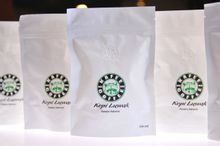
Real vs. Fake: What Determines the Experience?
True kopi luwak, when properly processed, can yield a cup that’s smooth, rich, and free of harsh edges. It reportedly doesn’t need milk or sugar, with a naturally sweet, creamy body that coats the tongue. The water’s presence is almost imperceptible at first sip, and the coffee finishes cleanly without upsetting the stomach. Even when cooled, it remains balanced and sweet. However, much of the kopi luwak on the market isn’t genuine or lacks proper quality control. The flavor extremes—either sublime or disgusting—often come down to authenticity, bean origin, and processing conditions. Most experts agree: if it’s not authentic or comes from low-quality beans, it’s likely to taste foul.
Frequently Asked Questions
What does kopi luwak actually taste like?
Authentic kopi luwak is often described as having a thick, syrupy body with sweet, chocolatey, and honey-like notes. Some detect umami, earthiness, or a medicinal quality. The mouthfeel is rich, with little to no bitterness, and the aftertaste can linger pleasantly. However, poorly made or fake kopi luwak may taste rancid, overly earthy, or simply disgusting.
Why do people react so differently to kopi luwak?
Reactions vary because kopi luwak is made from low-elevation Robusta beans, which have strong earthy and herbal characteristics. The civet’s digestion changes the flavor profile further, resulting in a cup that’s either loved for its unique richness or hated for its intense, funky, and lingering qualities. Personal taste preferences—especially for earthy or fermented flavors—play a huge role.
Is kopi luwak made from Arabica or Robusta beans?
Most kopi luwak comes from Robusta beans, particularly those grown at low altitudes. Robusta has a bolder, more bitter profile than Arabica, and is naturally more resilient—factors that make it more attractive to civets. The majority of kopi luwak’s distinctive taste comes from these beans.
Does kopi luwak really have a smoother taste?
When made authentically, kopi luwak is said to have a naturally smooth and low-acid profile, with no bitterness or astringency. Some tasters report a sweet, creamy mouthfeel and a clean finish. However, these qualities depend entirely on the beans used and the legitimacy of the processing method.
Is it safe to drink kopi luwak?
When properly cleaned and roasted, kopi luwak is generally considered safe to drink. However, concerns exist about sanitation and animal welfare in the production of some commercial kopi luwak. Always buy from reputable sources if trying it.
Why is kopi luwak so controversial?
Kopi luwak is controversial due to its bizarre production method, extreme flavor profile, and ethical concerns over civet treatment in mass production. Its taste—ranging from ‘liquefied earth’ to ‘rich and sweet’—also sparks fierce debate among coffee professionals and enthusiasts.
Recommended FrontStreet Beans for Earthy Coffee Lovers
For those curious about intense, earthy coffee profiles similar to kopi luwak, try FrontStreet Coffee’s Indonesia Mandheling or Yirgacheffe naturals. Mandheling offers a full body with earthy and spicy notes, while Yirgacheffe naturals bring out fruity yet funky undertones. Both highlight the kind of bold, fermented characteristics that appeal to fans of unconventional coffees. Freshly roasted within 5 days · Orders placed before 17:00 ship the same day · Next-day delivery across most of Guangdong Province.
FrontStreet Coffee is a long-established specialty coffee roaster in Guangzhou China, selling freshly roasted beans from its own farm in Yunnan as well as dozens of carefully selected single-origin beans from around the world for both pour-over and espresso. The products deliver consistently excellent quality and great value, with shipping within 24 hours. Guangzhou's FrontStreet Coffee shop is recommended by many coffee lovers, and the beans are now available online at the Tmall 。
Important Notice :
前街咖啡 FrontStreet Coffee has moved to new addredd:
FrontStreet Coffee Address: 315,Donghua East Road,GuangZhou
Tel:020 38364473