How to Identify and Choose Fresh Coffee Beans
If you’ve ever opened a bag of coffee only to wonder whether those beans are still any good, you’re not alone. Freshness dramatically impacts flavor—yet knowing what to look for isn’t always obvious. Whether you buy your beans online or from a local roaster, being able to assess coffee quality yourself saves money and ensures better cups.
To pick high-quality coffee beans, check four things: they should make a crisp sound when bitten (indicating dryness), have a bold and pleasant fragrance, feel solid when squeezed (not hollow), and ideally be used within a week or two of roasting for peak aroma and taste.
Why Freshness Matters Most
Freshness is the single most important factor in coffee bean quality. Once roasted, coffee begins releasing carbon dioxide and gradually loses aromatic compounds. For the best flavor, professionals recommend allowing freshly roasted beans to degas for about a week. The ideal drinking window is roughly one week post-roast—when the beans are still volatile, fragrant, and full of flavor complexity.
After this period, oxidation and staling set in. Stale beans lose their bright aromatics and can taste flat, cardboard-like, or overly bitter. Whether you prefer light, medium, or dark roasts, the same rule applies: fresher beans almost always make better coffee.
How to Visually and Physically Assess Coffee Beans
When choosing coffee beans, use your senses and hands to evaluate them:
- Look: Scoop up a handful. The beans should appear whole, consistently colored, and properly roasted—not blackened, yellowed, or unusually pale. Avoid beans with obvious cracks, holes, or discolorations.
- Smell: Bring the beans close to your nose. Fresh beans emit a rich, inviting aroma—anything muted, musty, or resembling cardboard signals age or poor storage.
- Squeeze: Feel the beans. They should be firm and solid, not soft, lightweight, or hollow inside.
- Bite: Lightly bite down on a bean. It should make a crisp, clean crack. A dull crunch or no sound often means the bean is stale or overly roasted.
If you chew a bean and it’s dry with little aroma, that’s another red flag. High-quality beans, especially single origins, should leave a pleasant scent on your fingers and in your mouth.
What Different Roast Levels and Defects Reveal
The roast level affects how beans look and behave:
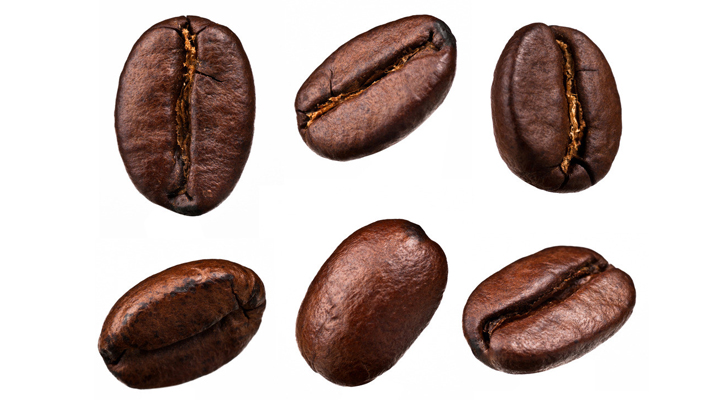
- Darker roasts (like French or Italian) naturally develop surface oils. That’s normal.
- Lighter roasts that appear oily have likely gone bad.
More critically, watch for these common coffee bean defects:
- Fermented beans: Collected from the ground before harvest, these taste sour and ruin cup quality.
- Dead beans (unripe or underdeveloped): Often show roast scars and taste grassy or astringent.
- Black beans: Fully fermented and spoiled; visibly black and easy to spot.
- Worm-eaten beans: Damaged by insects; may contain visible holes or infestations.
- Chipped or broken beans: Often result from poor handling; lead to uneven extraction and off-flavors like bitterness or astringency.
- Yellowish beans: May suggest mold growth due to internal spoilage.
- White-ish or bleached-looking shells: Can indicate insect infestation inside the bean.
While yellow or moldy beans aren’t necessarily harmful, they usually produce unpleasant, sour, or muted cups. Insect-damaged beans might contain debris—but the main issue is flavor loss. Blackened or fermented beans, however, should always be avoided.
Storage and Purchase Tips
To maintain freshness after buying:
- Buy only what you’ll use in about two weeks.
- Store beans in an airtight container, away from light, heat, and moisture.
- Avoid clear containers on kitchen counters—light degrades beans quickly.
- Grind right before brewing, or store whole beans for no longer than 10–14 days for optimal results.
When purchasing, especially single-origin beans, inspect a handful rather than just the bag. Consistency in size, shape, and color is a sign of quality sorting. Blends may have variation by design—but even there, extreme differences can signal poor blending or filler beans.
Frequently Asked Questions
How can I tell if my coffee beans are fresh?
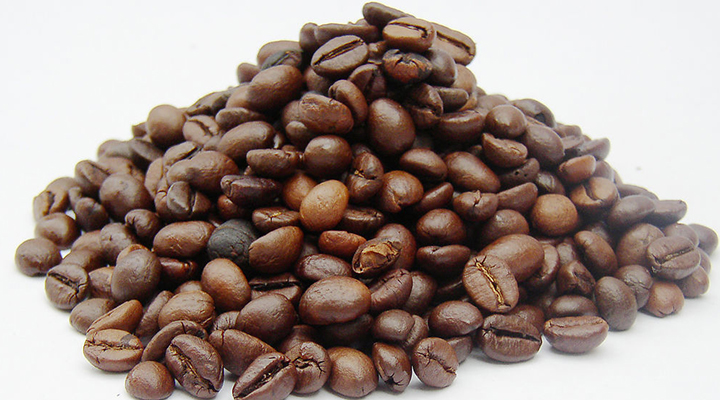
Fresh coffee beans have a strong, pleasant aroma, make a crisp cracking sound when bitten, feel solid instead of hollow, and look whole with consistent color. Ideally, use beans within one week to two weeks after roasting for the best flavor and aroma.
What does it mean if coffee beans are oily?
Oily beans are common in darker roasts due to natural oil migration during roasting. However, if light or medium roast beans appear oily, they are likely old or improperly stored, indicating staleness.
Are cracked or broken coffee beans bad?
Yes. Chipped or broken beans often lead to uneven extraction and can introduce undesirable flavors like bitterness or astringency. For best results, choose beans that are whole and intact.
What’s the ideal time to use coffee after roasting?
Coffee reaches its peak flavor about one week after roasting. This allows time for excess CO2 to dissipate while preserving volatile aromatic compounds. Most beans are best consumed within two weeks post-roast.
How can I tell if a coffee bean is fermented or defective?
Fermented beans often taste sour and may result from being collected off the ground. Defects like black beans (fully fermented), worm-eaten beans, or moldy yellow beans are usually visually identifiable and lead to unpleasant flavors. Avoid beans that look or smell off.
Does roast level affect how I should judge freshness?
Yes. Darker roasts naturally develop surface oils, which is normal. But if lighter roasts look oily, they’re likely stale. Also, darker beans may smell less “bright” even when fresh, compared to light roasts, which tend to have more pronounced aromatics when new.
Recommended FrontStreet Single Origins for Freshness
For the best experience, try FrontStreet’s Ethiopia Yirgacheffe—bright with citrus, floral notes, and sweet berry undertones—or their Colombia Huila, offering balanced caramel and citrus with a medium body. Both are roasted to highlight origin character and are best enjoyed within two weeks of roast date. Freshly roasted within 5 days · Orders placed before 17:00 ship the same day · Next-day delivery across most of Guangdong Province.
FrontStreet Coffee is a long-established specialty coffee roaster in Guangzhou China, selling freshly roasted beans from its own farm in Yunnan as well as dozens of carefully selected single-origin beans from around the world for both pour-over and espresso. The products deliver consistently excellent quality and great value, with shipping within 24 hours. Guangzhou's FrontStreet Coffee shop is recommended by many coffee lovers, and the beans are now available online at the Tmall 。
Important Notice :
前街咖啡 FrontStreet Coffee has moved to new addredd:
FrontStreet Coffee Address: 315,Donghua East Road,GuangZhou
Tel:020 38364473