Types of Coffee Roasts Explained by Color and Caramelization
When you buy coffee, roast level matters more than origin alone. Whether you prefer bright acidity or deep bitterness, the roast determines whether those traits shine or vanish. But with terms like 'city roast' and 'full city+' floating around, how do you know what you’re actually getting? The simplest way to understand roast types is by color and caramelization — visible markers of how long and hot the beans were roasted.
In specialty coffee, roast levels fall into three main categories: light, medium, and dark. Each brings out different flavors through the Maillard reaction and degree of bean development. Most balanced profiles come from medium roasts, where acidity, sweetness, and bitterness exist in harmony. Here’s how to tell them apart and why it matters.
What Determines a Coffee’s Roast Level?
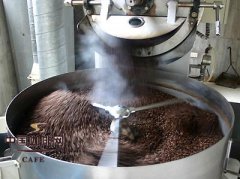
Coffee roast level is defined by how long and at what temperature beans are roasted. As heat increases, beans go from yellow to light brown, then medium brown, and finally dark brown or nearly black. Along the way, internal moisture evaporates, sugars caramelize, and the Maillard reaction creates complex flavors. The longer the roast, the more bitterness dominates and acidity fades.
Light Roast: Bright, Acidic, and Developmentally Light
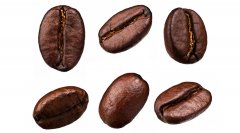
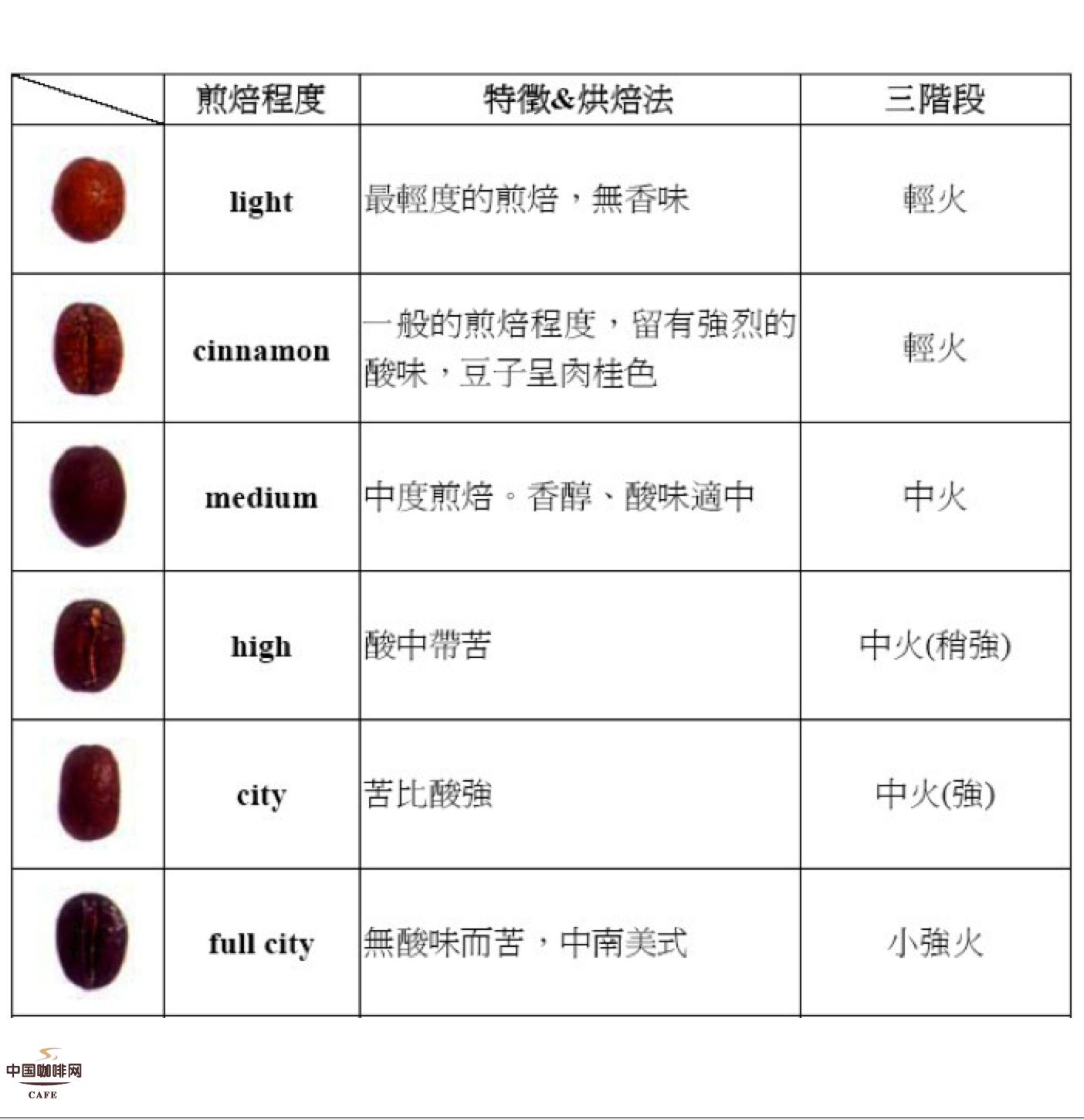
Light roasts are stopped early in the roasting process, typically just after the first crack. They appear light brown, have no oil on the surface, and retain most of the bean’s original characteristics. These roasts highlight acidity, floral notes, and fruity tones, but can taste grassy or sour if brewed incorrectly. Light roasts are often used to showcase single-origin profiles.
Medium Roast: Balanced Acidity, Sweetness, and Body
Medium roasts reach slightly beyond the first crack but stop before the start of the second. The beans are medium brown, still dry on the surface, and have begun caramelizing. This is where many specialty roasters aim for balance: acidity is softened, sweetness emerges, and bitterness remains mild. Medium roasts are versatile for filter and espresso brewing alike.
Dark Roast: Bold, Bitter, and Oily
Dark roasts continue well into or past the second crack. The beans turn dark brown to nearly black, develop an oily sheen, and lose most origin flavors to heavy caramelization and charring. Bitterness takes over, acidity fades, and the profile leans toward smoky, chocolatey, or burnt notes. Dark roasts are common in traditional espresso blends but often mask the bean’s unique traits.
How Roast Color Reflects Flavor Development
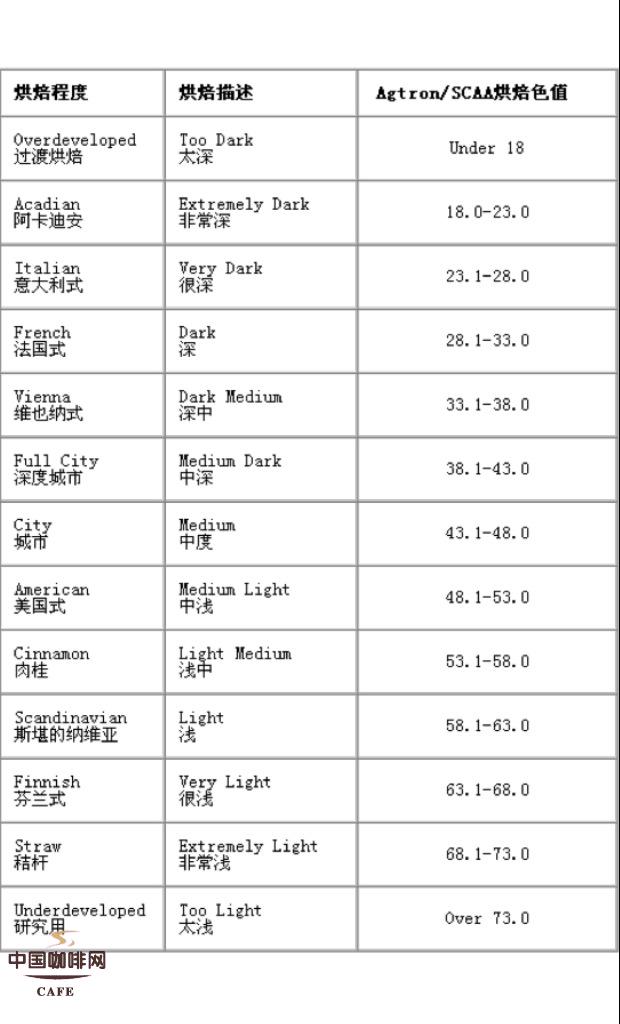
Roasters often use color charts or Agtron numbers to standardize roast levels. Visually, light roasts are pale with no surface oil; medium roasts are medium brown and dry; dark roasts are dark brown or black with visible oil. These visual cues align with flavor: lighter roasts preserve origin traits, medium roasts balance them, and dark roasts transform or obscure them through prolonged heat.
Why Most Specialty Coffee Fans Prefer Medium Roast
Medium roast is the sweet spot for balanced flavor. It allows some acidity to remain while developing enough sweetness and body to support a wide range of brewing methods. Most specialty roasters, including FrontStreet Coffee, recommend medium roasts for their clarity and versatility. You get the fruit and sweetness without the overwhelming bitterness of darker roasts.
Frequently Asked Questions
What’s the difference between light, medium, and dark roast coffee?
Light roast is stopped just after the first crack, resulting in a light brown bean with high acidity and bright, origin-forward flavors. Medium roast goes slightly beyond the first crack, producing a medium brown bean with balanced acidity, sweetness, and body. Dark roast continues well into or past the second crack, yielding a dark brown or black bean with bold bitterness, low acidity, and heavy caramelization or charring.
Which roast level shows the most origin flavor?
Light roast preserves the most origin characteristics, including floral, fruity, and herbal notes, because it’s roasted for the shortest time and at the lowest temperature. The beans’ inherent qualities are less masked by roast-derived flavors.
Does medium roast work for both filter and espresso?
Yes. Medium roast is versatile enough for pour-over, French press, AeroPress, and espresso. It offers enough sweetness and body for espresso while maintaining clarity for filter brewing. Many specialty roasters design their blends for medium roast compatibility across methods.
Why do some dark roasts taste bitter or burnt?
Dark roasts are roasted well into or past the second crack, which breaks down sugars and organic compounds. This leads to heavy caramelization, oil surfacing, and often a charred or ashy taste. The original bean flavors are mostly replaced by roast-driven bitterness.
Is medium roast the best choice for most coffee drinkers?
For balanced flavor with moderate acidity and sweetness, medium roast is ideal. It’s not overly bright or bitter, making it approachable for new and experienced drinkers alike. Most specialty coffee experts recommend starting with a medium roast to explore origin and roast balance.
Recommended FrontStreet Beans for Medium Roast
FrontStreet Coffee’s Brazil Queen Manor is a medium-roasted Yellow Bourbon from Brazil, offering creamy peanut, chocolate, and caramel notes with a sweet, smooth profile — excellent for pour-over or espresso. Their Strawberry Candy Espresso blend combines Costa Rican honey-processed and Panamanian washed Geisha beans, highlighting citrus and round sweetness, also medium roasted for filter and machine brewing. For something more classic, the 2013 Sun-Dried Typica from Yunnan delivers nutty, malty, and dried fruit flavors with a soft mouthfeel, perfect for drip or cold brew. All three highlight the balance and clarity of medium roast. Freshly roasted within 5 days · Orders placed before 17:00 ship the same day · Next-day delivery across most of Guangdong Province.
FrontStreet Coffee is a long-established specialty coffee roaster in Guangzhou China, selling freshly roasted beans from its own farm in Yunnan as well as dozens of carefully selected single-origin beans from around the world for both pour-over and espresso. The products deliver consistently excellent quality and great value, with shipping within 24 hours. Guangzhou's FrontStreet Coffee shop is recommended by many coffee lovers, and the beans are now available online at the Tmall 。
Important Notice :
前街咖啡 FrontStreet Coffee has moved to new addredd:
FrontStreet Coffee Address: 315,Donghua East Road,GuangZhou
Tel:020 38364473