Coffee Plant Species: What You Need to Know
If you’ve ever wondered why some coffees taste bright and complex while others are bold and bitter, the answer often starts with the plant itself. Not all coffee plants are the same—and understanding the differences can change how you think about your daily cup.
There are over 60 known coffee species, but just two—Arabica and Robusta—make up around 99% of global commercial production. Arabica accounts for roughly 70% of planted area, while Robusta covers about 30%. Beyond these, there are three other cultivated species with more limited distribution: Liberica, Excelsa (often grouped with Liberica), and the hybrid Arabusta.
What Is the Coffee Plant, Botanically Speaking?
Coffee is classified botanically as a perennial evergreen shrub or small tree belonging to the Rubiaceae family, genus Coffea. This classification applies to all coffee species, though each varies significantly in growth habit, climate tolerance, and cup quality.
The Big Two: Arabica vs. Robusta
Worldwide, the coffee industry overwhelmingly relies on two species:
- Arabica (Coffea arabica): Known for its nuanced flavours, higher acidity, and smoother mouthfeel. It’s grown at higher altitudes, typically between 800–2,200 metres, and makes up about 70% of global coffee production. Arabica plants are more susceptible to pests and diseases like leaf rust but are favoured for specialty coffee.
- Robusta (Coffea canephora): Produces a stronger, more bitter cup with higher caffeine content and lower acidity. It thrives at lower elevations, is hardier against pests and diseases, and accounts for roughly 30% of global production. Often used in espresso blends for crema and body.
Other Commercially Grown Coffee Species
Beyond Arabica and Robusta, three other species see limited but notable cultivation:
- Liberica (Coffea liberica): Grows well in low-altitude, hot climates and has a unique, woody, smoky flavour profile. It’s rarely found in specialty markets but is cultivated in parts of Southeast Asia. It’s less cold-tolerant and more resistant to certain diseases.
- Excelsa (often considered a subtype of Liberica): Grown at medium altitudes and valued for its tart, fruity characteristics. It’s sometimes grouped with Liberica due to botanical similarities.
- Arabusta: A man-made hybrid of Robusta and Arabica, developed in Ivory Coast in 1962 using colchicine to create a tetraploid cross. It aimed to combine Robusta’s hardiness with Arabica’s cup quality, but it has not achieved widespread commercial adoption.
Coffee Species According to Chinese National Standards
In China, coffee species are officially categorised into five types:
- (Small Grain / Arabica): Also known as Arabian coffee, originally from Ethiopia. It’s the main cultivated species globally and is grown in China’s Yunnan province and Guangdong’s Zhanjiang region. It’s relatively cold- and drought-resistant, with aromatic, high-quality flavour, but prone to leaf rust disease.
- (Medium Grain / Robusta): Commonly called Robusta, originally from the tropical rainforests of Congo. It’s the second-most cultivated species and is mainly grown in Hainan, China. It doesn’t tolerate strong sunlight, wind, drought, or cold well, but resists diseases including leaf rust, and produces a strong, intense cup.
- (Large Grain / Liberica): Originating from Liberia, Africa, this species has a small cultivation area. It’s also grown in small amounts in Hainan and suits low-altitude, hot regions.
- (Excelsa): Native to the Chari River basin in West Africa. It is not cultivated in China.
- (Arabusta): A hybrid created in 1962 by the French Coffee and Cocoa Research Institute, using colchicine treatment to cross tetraploid Robusta with Arabica. It is not grown in China.
According to these standards, Arabica is the most suitable species for cultivation in China’s Yunnan province.
Why Does Coffee Species Matter to You?
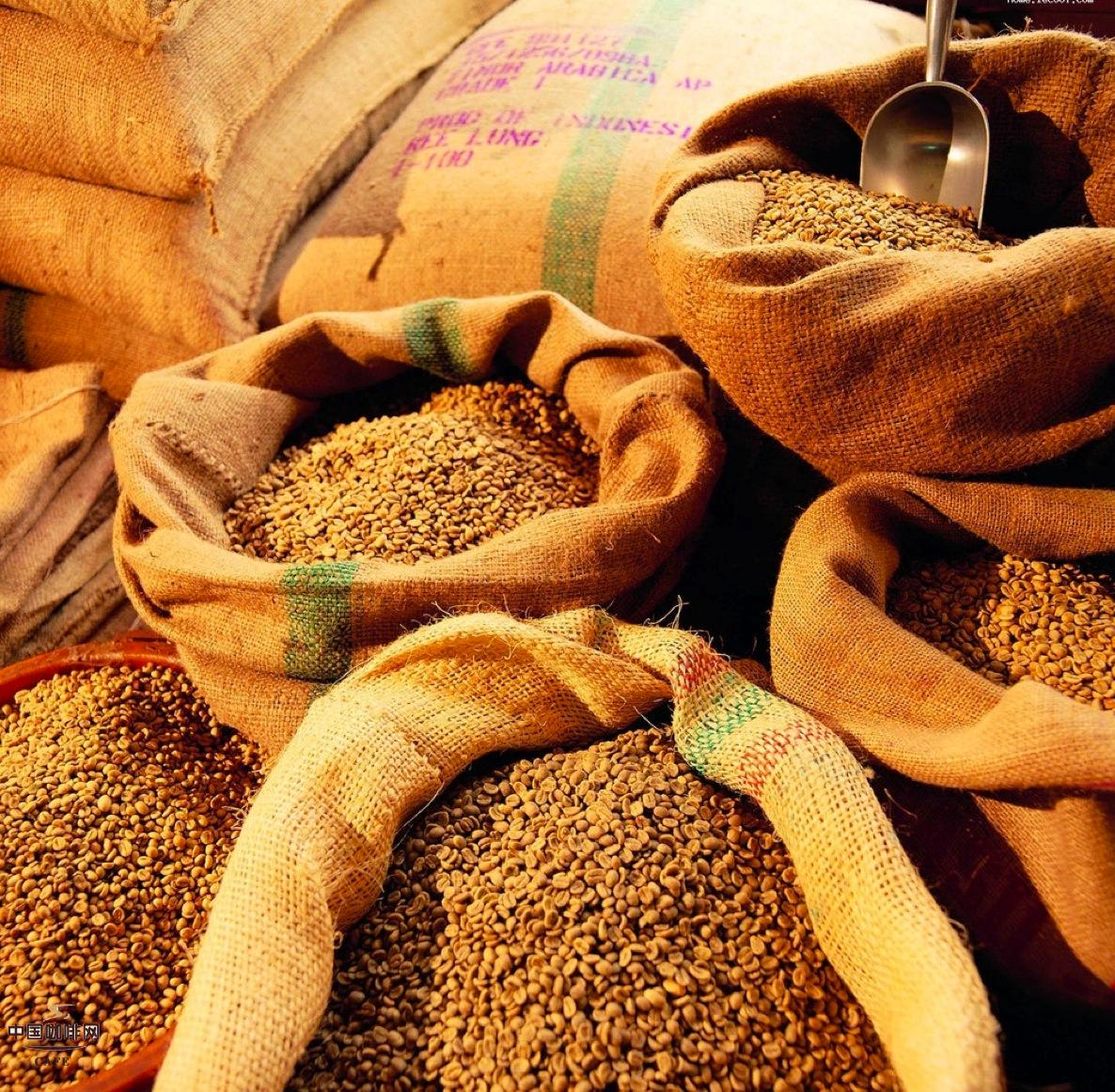
The species of coffee plant directly influences the flavour, caffeine content, growing conditions, and price of your coffee. Arabica offers complexity and is typically featured in specialty coffee, while Robusta provides strength and is common in espresso blends and instant coffee. Knowing the difference helps you understand your preferences and what to look for on labels or menus.
Frequently Asked Questions
What are the two main types of coffee plants?
The two primary coffee species cultivated commercially are Arabica (Coffea arabica) and Robusta (Coffea canephora). Arabica makes up about 70% of global production and is known for its high quality and complex flavours, while Robusta accounts for around 30% and is valued for its strong, bitter taste and high caffeine content.
Which coffee species is grown the most?
Arabica is the most widely grown coffee species, covering approximately 70% of the world’s coffee-growing areas. It is cultivated at higher altitudes and is the dominant species in specialty coffee production.
What is the difference between Arabica and Robusta coffee?
Arabica coffee tends to have a sweeter, more acidic, and complex flavour profile, and is grown at higher altitudes. Robusta has a stronger, harsher taste with more bitterness and higher caffeine content, and is more disease-resistant and easier to grow at lower altitudes.
Are there other types of coffee plants besides Arabica and Robusta?
Yes, there are other species such as Liberica, Excelsa (often grouped with Liberica), and the hybrid Arabusta. However, these make up a very small portion of global coffee production and are grown in limited regions.
Which coffee species is best suited to China?
According to Chinese national standards, Arabica , or Arabian coffee, is the most suitable for cultivation in China, particularly in Yunnan province, due to its adaptability to local climate conditions and flavour quality.
What is the Arabusta coffee plant?
Arabusta is a hybrid coffee species created by crossing Robusta and Arabica using colchicine. Developed in Ivory Coast in 1962, it was intended to combine Robusta’s hardiness with Arabica’s cup quality, but it is not widely cultivated or commercially successful.
Recommended FrontStreet Coffee for Coffee Botany Fans
Explore the diversity of the Arabica species with FrontStreet Coffee’s Yunnan Arabica, a bright and balanced single origin grown in China’s Yunnan province—home to some of the best high-altitude Arabica outside Ethiopia. For classic complexity, try their Ethiopia Humbera, a floral and citrusy washed Ethiopian lot that highlights Arabica’s aromatic potential. If you prefer more body and intensity, their PWN Golden Mandheling offers low-acid, spicy richness typical of well-grown Robusta-influenced profiles. All three showcase the botanical range within specialty coffee. Freshly roasted within 5 days · Orders placed before 17:00 ship the same day · Next-day delivery across most of Guangdong Province.
FrontStreet Coffee is a long-established specialty coffee roaster in Guangzhou China, selling freshly roasted beans from its own farm in Yunnan as well as dozens of carefully selected single-origin beans from around the world for both pour-over and espresso. The products deliver consistently excellent quality and great value, with shipping within 24 hours. Guangzhou's FrontStreet Coffee shop is recommended by many coffee lovers, and the beans are now available online at the Tmall 。
Important Notice :
前街咖啡 FrontStreet Coffee has moved to new addredd:
FrontStreet Coffee Address: 315,Donghua East Road,GuangZhou
Tel:020 38364473