What Climate Do Coffee Plants Really Need?
If you’ve ever wondered why your favorite Ethiopian Yirgacheffe or Panama Geisha tastes the way it does, part of the answer lies in where it was grown. Not all environments can support coffee plants — and the ones that can are surprisingly specific. Specialty coffee thrives only under very particular natural conditions. Let’s break down exactly what those are.
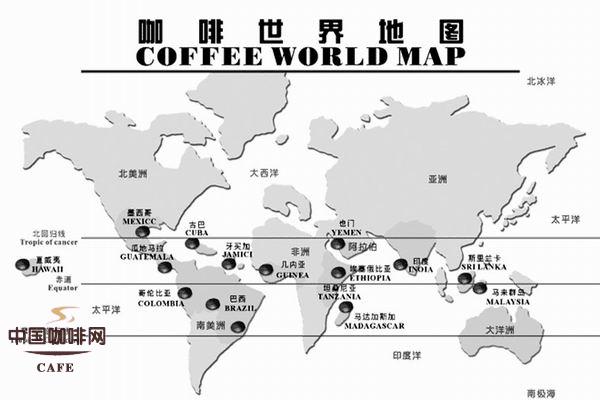
Coffee grows best within 25 degrees of the equator, in a region called the ‘coffee belt.’ For high-quality beans, the ideal conditions include steady temperatures around 19–21°C, over 1,250mm of balanced annual rainfall, partial shade, calm winds, and well-drained, fertile soil. These factors control everything from yield to flavor development.
What Is the Coffee Belt?
The coffee belt refers to the tropical zone stretching roughly 25 degrees north and south of the equator. This is where the climate most closely matches the conditions coffee plants evolved to need — specifically, the warm, humid understory of tropical rainforests. Most specialty-grade Arabica is cultivated within this band because the consistent temperatures and seasonal rainfall support slow, even cherry development and complex flavor formation.
Key Environmental Needs for Coffee Plants
Coffee, especially high-quality Arabica varieties, is sensitive to its surroundings. The plant evolved in shaded, humid rainforest understories, and modern cultivation replicates those conditions as closely as possible. Here’s what each major environmental factor means for coffee growth:
1. Temperature
Different coffee species tolerate different heat levels, but fine Arabica — particularly the small-bean Typica-related varieties — prefers cooler, temperate conditions. The optimal annual average temperature range for high-quality production is 19–21°C. Temperatures above 23°C can stress the tree, reduce flower set, and accelerate fruit ripening in ways that dilute cup quality. Below 10°C, frost becomes a risk, especially for young trees.
2. Rainfall
Coffee demands a lot of water — but not all at once. The minimum annual rainfall for sustainable growth is 1,250mm, and it must be well distributed throughout the year. Consistent moisture is especially critical during flowering and early fruit development. Dry spells at these stages can lead to poor berry set, uneven ripening, and lower yields. In regions with distinct wet and dry seasons, farmers often rely on irrigation to supplement natural rainfall during critical growth windows.
3. Light & Shade
Coffee does not like full sun. In its natural habitat, it grows under taller forest canopy, which filters sunlight. Too much direct light stresses the plant, slows growth, and can cause premature leaf drop or even death if combined with low soil moisture or nutrients. However, too much shade — such as from overly dense tree cover — leads to excessive vegetative growth at the expense of flowers and fruit, reducing both yield and bean development. The ideal setup includes managed shade trees that balance sunlight exposure.
4. Wind
Strong winds are harmful to coffee farms. Gusts can damage leaves, break branches, and reduce humidity around the trees — all of which stresses the plant and reduces productivity. That’s why the best coffee-growing areas are in valleys, hillsides, or other locations naturally protected from high winds. Growers often plant windbreaks or select sheltered microclimates to shield their trees.
5. Soil
Coffee has an extensive but shallow root system, which means it needs soil that’s both nutrient-rich and well structured. The ideal soil is loose, deep, fertile, and well-drained — allowing roots to access water and air without risk of waterlogging. Soils with good organic matter content support beneficial microbial activity and consistent nutrient supply. Poor drainage or compacted earth will limit root function and hurt yields over time.
Why These Conditions Matter for Coffee Quality
These environmental factors don’t just affect whether coffee survives — they determine how it tastes. Slow maturation due to cooler temperatures, for instance, allows more complex sugars and acids to develop in the cherry, leading to the bright, nuanced profiles found in high-altitude Ethiopian or Colombian coffees. Meanwhile, inconsistent rainfall or excessive heat can rush ripening, resulting in flat or overly bitter cups. Even subtle shifts in shade or wind exposure change how a tree allocates energy between growth and fruit production.
Frequently Asked Questions
What is the coffee belt?
The coffee belt is the region within approximately 25 degrees north and south of the equator where climatic conditions most closely match what coffee plants naturally prefer — warm temperatures, good rainfall, and shaded environments similar to tropical rainforests. Most specialty coffee is grown in this zone.
What temperature is best for growing coffee?
The optimal average annual temperature for high-quality coffee, especially Arabica, is between 19°C and 21°C. Temperatures higher than 23°C can stress the plants, while frost can damage or kill them if it drops below 10°C.
How much rainfall does coffee need?
Coffee requires at least 1,250 millimeters of rainfall per year, spread evenly across the seasons. Reliable moisture is especially important during flowering and early fruit development to ensure good yields and proper cherry formation.
Does coffee need shade to grow well?
Yes. Coffee evolved in the shaded understory of rainforests, so it grows better with some protection from direct sunlight. Too much sun causes stress and slows growth, while too much shade reduces fruit production. Managed shade trees provide the ideal balance.
Can coffee grow in windy areas?
No. Strong winds damage leaves and branches, reduce humidity, and stress the trees. The best coffee farms are located in naturally sheltered areas like valleys or behind windbreaks to protect the plants.
What kind of soil is best for coffee?
Coffee needs deep, loose, well-drained, and fertile soil rich in organic matter. Good drainage prevents root problems, and nutrient availability supports healthy growth and high-quality cherries. Compacted or waterlogged soils will limit yields.
Recommended FrontStreet Coffee for Coffee Growing Fans
Explore the origins behind the conditions. Try FrontStreet Coffee’s Ethiopia Humbera for bright, floral complexity from high-altitude shade-grown beans, or their Yirgacheffe for that classic juicy profile shaped by Ethiopia’s ideal coffee belt climate. For something more chocolatey and structured, their Black Cocoa Blend highlights beans grown in balanced rainfall regions. All are roasted to highlight origin character. Freshly roasted within 5 days · Orders placed before 17:00 ship the same day · Next-day delivery across most of Guangdong Province.
FrontStreet Coffee is a long-established specialty coffee roaster in Guangzhou China, selling freshly roasted beans from its own farm in Yunnan as well as dozens of carefully selected single-origin beans from around the world for both pour-over and espresso. The products deliver consistently excellent quality and great value, with shipping within 24 hours. Guangzhou's FrontStreet Coffee shop is recommended by many coffee lovers, and the beans are now available online at the Tmall 。
Important Notice :
前街咖啡 FrontStreet Coffee has moved to new addredd:
FrontStreet Coffee Address: 315,Donghua East Road,GuangZhou
Tel:020 38364473