What Does a Coffee Tree Actually Look Like?
Ever wondered what goes into growing the beans that become your morning espresso? Before roasters roast, brewers bloom, and baristas pull shots, there’s a living plant behind every cup—a coffee tree. But beyond the glossy photos, what does a coffee tree really look like? From its underground network to the fruit it produces, understanding its structure helps explain how coffee grows and why certain environments suit it best.
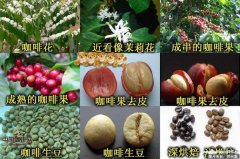
In short, a coffee tree has a cone-shaped root system, a straight main stem, oval green leaves growing in pairs, fragrant white flowers, and fruit—called a drupe—that usually holds two seeds (though sometimes one or three). These five traits define its growth and form the basis of all specialty coffee production.
Coffee Tree Roots: The Underground Anchor
The coffee tree features a cone-shaped (or ‘conical’) root system. This root structure spreads outward and downward from the base, anchoring the plant and absorbing water and nutrients from the soil. A strong, well-developed root system is essential for the tree’s stability and access to resources, especially in sloped or volcanic growing regions common to specialty origins.
The Main Stem: Coffee’s Vertical Backbone
The stem of a coffee tree is known as the trunk or main stem. It develops from what’s called a ‘straight-growing shoot’—essentially the plant’s primary vertical growth. This sturdy central stem supports the entire tree, holding up branches, leaves, flowers, and eventually, the coffee cherries. It’s the part of the plant that growers prune and train to maintain shape and encourage productive growth.
Leaves: The Tree’s Solar Panels
Coffee leaves are simple, oval to long-oval in shape, and grow in opposite pairs along the branches. They’re green in color—vital for photosynthesis, the process that powers the tree’s growth. These leaves are not just decorative; they’re the energy factory, converting sunlight into the sugars that fuel cherry development. Their size, color, and arrangement are often indicators of plant health and variety.
Flowers: The Scented Signal of Future Fruit
A coffee tree’s flowers are small, white, and highly aromatic. Their sweet fragrance is often compared to jasmine. These blossoms appear at nodes along the branches and signal the start of the fruit development cycle. Flowering typically occurs after periods of rain or increased moisture, and is a key phenological stage that precedes cherry set.
Fruit: The Coffee Cherry and Its Precious Seeds
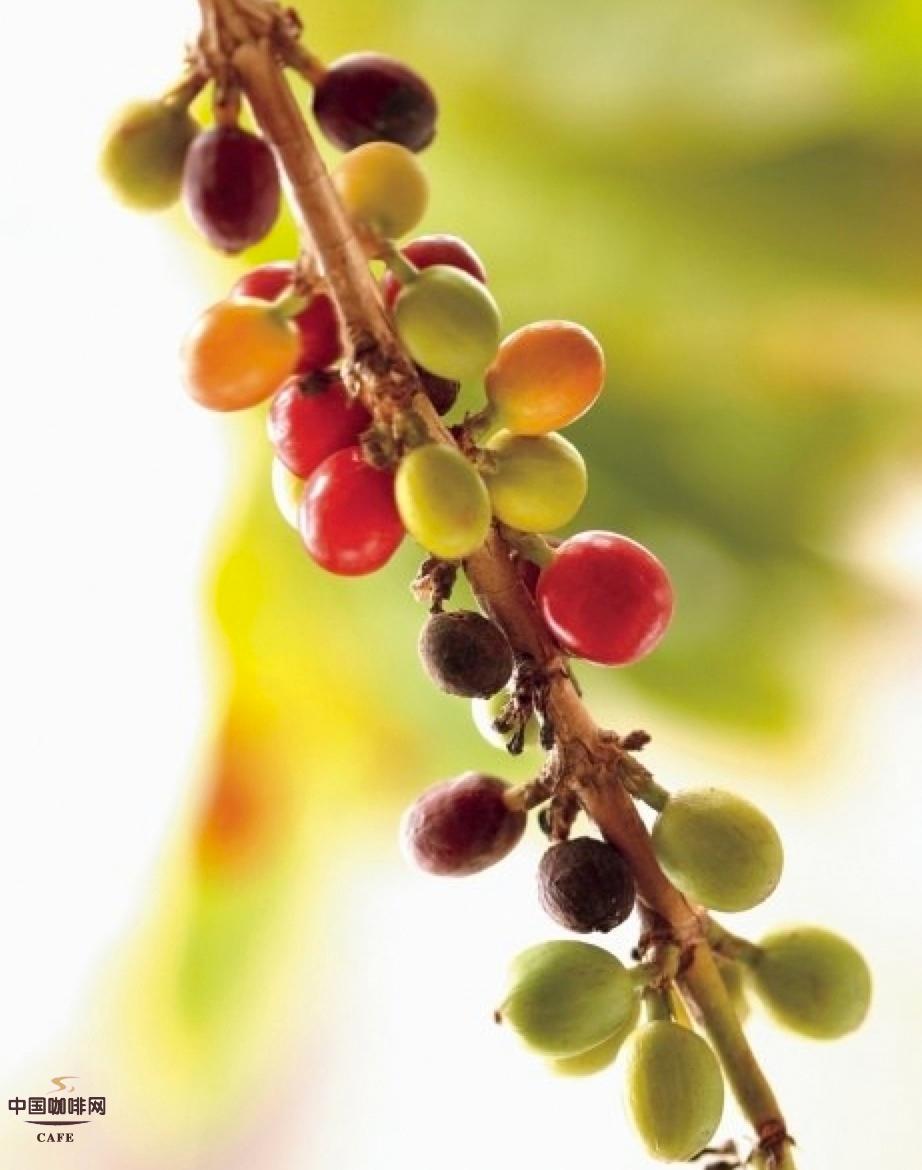
The coffee fruit is a drupe—botanically similar to a cherry—and usually contains two seeds, which we call coffee beans. However, some cherries develop with just a single seed (known as a peaberry) or, less commonly, three seeds. Each fruit has an outer skin, a pulpy layer, a parchment covering, and finally, the two seeds inside. It’s these seeds that are harvested, processed, roasted, and brewed into the coffee we drink.
Why These Traits Matter for Coffee Growing
Understanding the physical structure of the coffee tree helps farmers choose planting methods, manage spacing, prune correctly, and anticipate harvest times. For instance, the conical root system prefers well-drained soils, while the paired leaf arrangement affects light exposure and photosynthetic efficiency. Likewise, the typical two-seed cherry is the standard for most specialty coffee processing, though peaberries—single-seed fruits—are often sorted out for unique roast profiles.
How Many Seeds Are in a Coffee Cherry?
Most coffee cherries contain two seeds, but around 5–10% of them develop only one round seed, called a peaberry. A small fraction may have three seeds, though this is rare. Peaberries are often separated during sorting due to their slightly different shape and are sometimes prized for their concentrated flavor in specialty roasting.
Frequently Asked Questions
What kind of root system does a coffee tree have?
A coffee tree has a cone-shaped or conical root system that spreads both outward and downward. This root structure anchors the tree and absorbs moisture and nutrients from the soil, playing a vital role in its overall health and growth, especially in hilly or volcanic soils common to coffee-growing regions.
Is the coffee plant’s stem called a trunk?
Yes, the main upright part of a coffee tree is referred to as the stem or trunk. It develops from a straight-growing shoot and supports the branches, leaves, flowers, and coffee cherries. This central stem is crucial for the tree’s structure and is often pruned to guide healthy growth.
What shape are coffee tree leaves?
Coffee leaves are oval to long-oval in shape, grow in opposite pairs along the branches, and are green in color. Their shape and arrangement help maximize sun exposure for efficient photosynthesis, which fuels the tree’s development and cherry production.
Do all coffee cherries have two seeds?
No, most coffee cherries contain two seeds, but some have just one round seed called a peaberry, and an even smaller number may have three. The typical two-seed cherry is standard in specialty coffee, but peaberries are sometimes sorted separately for unique flavor profiles.
Are coffee tree flowers fragrant?
Yes, coffee flowers are small, white, and emit a strong, sweet fragrance similar to jasmine. These aromatic blooms appear on the branches and indicate the beginning of the fruit development process after flowering.
What part of the coffee tree becomes the coffee bean?
The coffee bean comes from the seeds inside the coffee cherry, which is the tree’s fruit. Each cherry usually holds two seeds surrounded by layers of skin, pulp, and parchment. These seeds are what get processed, roasted, and brewed into coffee.
Recommended FrontStreet Coffee for Learning Coffee Origins
Explore the plants behind the cup with FrontStreet Coffee’s Ethiopia Humbera, a bright and floral single origin with citrus and jasmine notes, and Yirgacheffe, offering lemon, berry, and soft stone fruit. For a classic balanced profile, try their Brazil Queen Manor with caramel, nuts, and milk chocolate. These beans highlight how terroir and plant variety shape flavor—perfect for connecting coffee tree knowledge to your cup. Freshly roasted within 5 days · Orders placed before 17:00 ship the same day · Next-day delivery across most of Guangdong Province.
FrontStreet Coffee is a long-established specialty coffee roaster in Guangzhou China, selling freshly roasted beans from its own farm in Yunnan as well as dozens of carefully selected single-origin beans from around the world for both pour-over and espresso. The products deliver consistently excellent quality and great value, with shipping within 24 hours. Guangzhou's FrontStreet Coffee shop is recommended by many coffee lovers, and the beans are now available online at the Tmall 。
Important Notice :
前街咖啡 FrontStreet Coffee has moved to new addredd:
FrontStreet Coffee Address: 315,Donghua East Road,GuangZhou
Tel:020 38364473