How Coffee Grows: From Seed to Harvest
Ever wondered how the coffee in your cup began its life? Before it’s roasted, brewed, or poured, coffee goes through a complex agricultural journey—starting with a seed and ending as a ripe cherry ready for harvest. Understanding how coffee grows helps explain why some beans taste better than others.
The entire coffee growing process includes nine key stages: selecting seeds, nurturing seedlings, planting, pruning and training the tree, managing soil and fertilizer, controlling pests and disease, flowering, fruit development, and finally, harvesting. Each phase directly impacts bean quality, especially the final harvest method.
From Seed to Tree: Early Growth Stages
Coffee production begins with selecting high-quality seeds, typically from known varieties like Typica or Bourbon. These are sprouted into seedlings in nurseries under controlled conditions. Once the young plants are strong enough, usually after 6 to 12 months, they are transplanted to coffee fields. Proper spacing and site selection are crucial to allow for healthy growth and future harvesting.
Young coffee trees require regular pruning and shaping to develop a strong structure and encourage optimal branch growth. This early training helps increase yield and makes future harvesting easier. Alongside pruning, soil management and fertilization are vital—coffee trees need nitrogen, phosphorus, potassium, and other micronutrients to thrive. Farmers often test soil and apply organic or balanced chemical fertilizers depending on the nutrient profile.
Keeping Coffee Trees Healthy
Throughout their lifespan, coffee plants face threats from insects, fungal diseases, and other pathogens. Common issues include coffee leaf rust and berry borer beetles. Effective pest and disease control may involve integrated pest management (IPM), use of resistant varieties, and careful monitoring. Healthy trees are more resistant and produce better quality cherries.
Flowering and Fruit Development
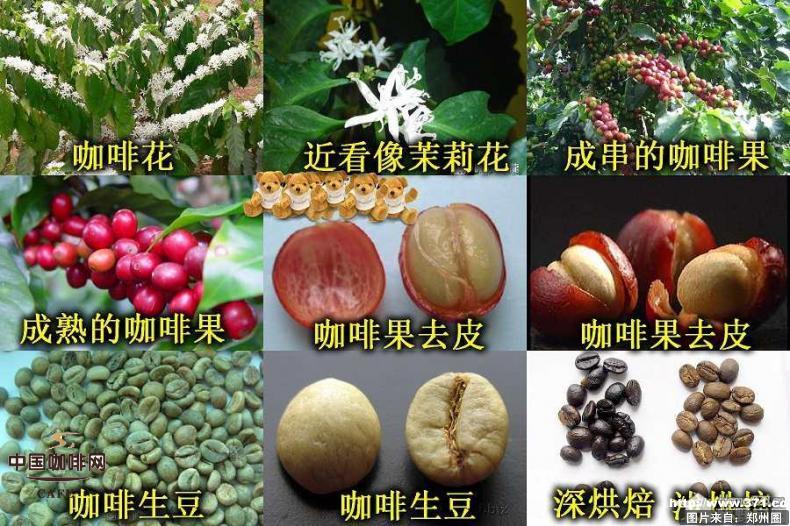
When conditions are right—usually after seasonal rains—mature coffee trees produce small white flowers, which give off a jasmine-like scent. These flowers last only a few days before forming small green berries. Over several months, these berries mature and change color from green to yellow, then to red or sometimes yellow, depending on the variety. This is the coffee cherry, and inside each one are the precious coffee beans.
The time from flower to ripe cherry typically takes around 9 months, though this varies with climate and variety. The cherries do not all ripen at once, even on the same branch—this uneven ripening has a big impact on how the coffee is harvested.
Harvesting Coffee: Methods and Impact on Quality
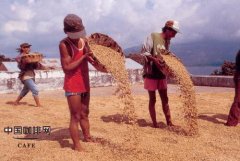
There are two main ways to harvest coffee: manual and mechanical. Mechanical harvesting is faster and used on large, flat plantations, but it gathers both ripe and unripe cherries at once, lowering overall bean quality. In contrast, manual harvesting allows pickers to select only the ripe cherries—but it is slower and more labor-intensive.
Within manual harvesting, there are two techniques: stripping (or ‘’), where all cherries are pulled from the branch at once regardless of ripeness, and selective picking (or ‘’), where workers choose only the red, ripe cherries. Selective picking is the only way to ensure the highest quality beans, as unripe or overripe fruit can negatively affect flavor during roasting and brewing. This method is labor-intensive but essential for producing specialty-grade coffee.
Frequently Asked Questions
What are the main stages in coffee production?
The coffee production process includes nine stages: seed selection, seedling cultivation, transplanting, pruning and training, soil and fertilizer management, pest and disease control, flowering, cherry development, and harvesting. Each stage affects the final bean quality, especially pruning, soil health, and harvest method.
Does the way coffee is picked affect the flavor?
Yes. Selective (or hand-picked) harvesting, where only ripe cherries are chosen, results in higher quality beans. Mechanical or strip picking gathers all cherries at once, including unripe or overripe ones, which can lower cup quality and consistency.
How long does it take for a coffee cherry to ripen?
From flower to ripe cherry, the process typically takes around 9 months, depending on the coffee variety and local climate conditions. The cherries do not all ripen simultaneously, which is why selective harvesting is labor-intensive but necessary for top quality.
What is the difference between mechanical and manual coffee harvesting?
Mechanical harvesting uses machines to strip all cherries from branches quickly, but mixes ripe and unripe fruit. Manual harvesting is done by hand, either by stripping all cherries or selectively picking only the ripe ones—selective picking produces the best specialty coffee.
Why is pruning important for coffee trees?
Pruning shapes the coffee tree, improves air circulation and sunlight exposure, encourages growth of fruit-bearing branches, and increases overall yield and bean quality. It’s a key part of coffee plant care and field management.
FrontStreet Coffee Beans That Highlight Grower Skill
For coffee lovers curious about how growing practices affect flavor, try FrontStreet’s Ethiopia Humbera—a bright, floral Ethiopian lot showcasing the impact of careful cultivation and selective harvesting. Also consider their Yirgacheffe offering, known for juicy citrus and stone fruit notes, grown in regions where manual picking ensures only ripe cherries are harvested. For a more balanced cup, their washed Yunnan Arabica highlights clean, tea-like profiles from well-managed farms. All are excellent examples of how farming choices shape your cup. Freshly roasted within 5 days · Orders placed before 17:00 ship the same day · Next-day delivery across most of Guangdong Province.
FrontStreet Coffee is a long-established specialty coffee roaster in Guangzhou China, selling freshly roasted beans from its own farm in Yunnan as well as dozens of carefully selected single-origin beans from around the world for both pour-over and espresso. The products deliver consistently excellent quality and great value, with shipping within 24 hours. Guangzhou's FrontStreet Coffee shop is recommended by many coffee lovers, and the beans are now available online at the Tmall 。
Important Notice :
前街咖啡 FrontStreet Coffee has moved to new addredd:
FrontStreet Coffee Address: 315,Donghua East Road,GuangZhou
Tel:020 38364473