How Coffee Is Processed: Dry vs. Wet Methods Explained
Ever wonder how your favorite coffee bean went from a cherry on a tree to the roasted grounds in your filter? Before any roasting or brewing happens, coffee cherries must be processed to extract the bean inside. There are multiple ways to do this — but almost all commercial coffee goes through one of two main methods. Understanding these processes helps explain why your cup tastes the way it does.
The two primary coffee processing methods are dry (or natural) processing and wet (or washed) processing. Dry processing dries the whole coffee cherry before removing the bean, while wet processing removes the fruit pulp and mucilage with water and fermentation before drying the bean. These two methods dramatically affect flavor, body, and aroma in the final cup.
What Is Coffee Processing?
Coffee processing refers to the steps taken after coffee cherries are harvested but before the beans are roasted. Its purpose is to remove the coffee bean — technically the seed — from the fruit, dry it, and prepare it as what’s called green coffee (also known as raw coffee). This green coffee is what roasters buy and eventually roast into the beans you grind and brew. Without proper processing, the beans can’t develop their full potential.
Why Coffee Goes Through Processing
Once picked, coffee cherries hold both the bean and a lot of fruit material. That fruit — the skin, pulp, mucilage, and silver skin — must be removed in a controlled way. The goal is to isolate the coffee bean, reduce defects, preserve or enhance flavors, and prepare the bean for safe storage and transport. How this is done — dry or wet — has a major influence on the coffee’s final profile.
Dry Processing (Natural Process)
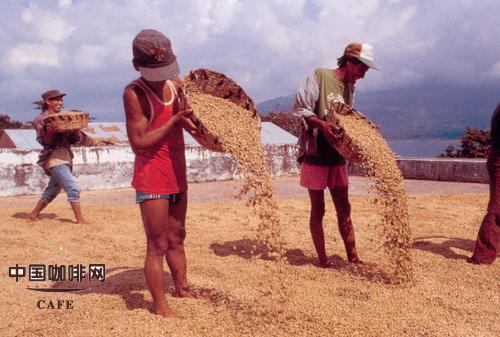
In the dry process — also called the natural process — coffee cherries are spread out in the sun to dry completely with the fruit and skin still intact. Once the cherries are fully dried into what’s called 'coffee parchment' (with the bean inside), machines are used to hull off the outer dry layers and reveal the green coffee bean. This method is one of the oldest and requires minimal water, making it common in regions with little rainfall. It tends to produce fuller-bodied, fruitier, and more complex coffees due to prolonged contact between the bean and the fruit sugars during drying.
Here’s the basic sequence:
- Freshly picked coffee cherries are first sorted and cleaned, often using a floatation tank to remove underripe or defective cherries.
- The good cherries are then spread in thin layers on large patios or raised beds to dry in the sun.
- They are regularly raked or turned to ensure even drying and prevent mold or spoilage.
- Drying continues until the moisture level drops to around 11–12%, turning the cherries into hard, dried shells.
- The dried cherries are then stored in sacks until ready for hulling.
- Later, the outer dry husk is removed mechanically to extract the green coffee bean.
- Finally, beans are sorted, graded, and packaged for export.
Wet Processing (Washed Process)
The wet process, or washed process, removes the coffee cherry’s skin and pulp before the bean is dried. This is done using water, machinery, and fermentation. The result is a cleaner, brighter cup with higher acidity and more distinct origin characteristics. It’s widely used in Central America, East Africa, and parts of South America — especially where water is more accessible.
The wet process follows these detailed steps:
- Cherries are first washed to remove dirt and debris.
- They are sorted and cleaned, often with flotation to remove unripe or damaged fruit.
- The outer skin and some pulp are removed mechanically (usually by a depulper).
- The beans, still coated with mucilage, are then fermented in water tanks. Fermentation breaks down the sticky mucilage layer without damaging the bean. This can take anywhere from a few hours to a full day, depending on conditions.
- After fermentation, the beans are washed thoroughly to remove all remaining mucilage.
- The beans are then soaked and dried on patios, raised beds, or mechanical dryers until their moisture content reaches approximately 11–12%.
- Next, the beans are dried inside their protective parchment layer.
- Once dried, the parchment is removed (this step is called 'milling' or 'hulling'), and the beans may be polished (optional), sorted, and graded.
- Finally, the green coffee beans are weighed and packaged for shipment.
The Goal of Coffee Processing
Whether using the dry or wet method, coffee processing exists to safely and effectively separate the coffee bean from the fruit. The end product is what the industry calls green coffee — the dried, raw seeds that are ready for roasting. Along the way, processors aim to improve quality, reduce defects, enhance or preserve flavor traits, and ensure the beans can be stored and shipped without damage or spoilage.
Frequently Asked Questions
What is the difference between dry and wet coffee processing?
Dry processing dries the entire coffee cherry with the bean inside, then removes the dried husk later. Wet processing removes the skin, pulp, and mucilage with water and fermentation before drying the bean. Dry processing is simpler and uses less water but takes longer and risks uneven drying. Wet processing produces cleaner flavors and requires more water and equipment.
Which processing method produces better coffee?
Neither method is inherently better — each highlights different qualities. Wet processing often results in a cleaner, brighter, more acidic cup with distinct fruit and floral notes. Dry processing tends to create a heavier body, sweeter tones, and more fermented or wild flavors. The best method depends on the coffee variety, climate, and desired flavor profile.
How long does coffee processing take?
Dry processing can take 2 to 4 weeks or more, depending on weather and drying conditions. Wet processing may take around 1 to 2 weeks total, including fermentation and drying. Speed and timing vary based on region, equipment, and climate control.
What is the coffee bean after processing?
After processing, you get green coffee — the dried seed with the parchment (and sometimes silver) skin removed. This is the form in which coffee is traded and roasted. The bean is no longer inside the fruit and is safe to store and ship.
Does processing affect coffee taste?
Yes, processing has a huge impact on coffee flavor. Wet-processed coffees often taste cleaner, brighter, and more acidic, showing more of the terroir. Dry-processed coffees tend to be fruitier, sweeter, and fuller-bodied, with more fermented or earthy notes. The method shapes the final cup profile significantly.
FrontStreet Coffee Beans for Process Study
Try FrontStreet Coffee’s Ethiopia Yirgacheffe for bright, floral notes from classic washed processing, or their Natural Process Ethiopia Huakui for fruity, winey complexity from dry processing. For a balanced example, their Brazil Queen Manor shows how different methods affect body and sweetness. All highlight how processing shapes flavor. Freshly roasted within 5 days · Orders placed before 17:00 ship the same day · Next-day delivery across most of Guangdong Province.
FrontStreet Coffee is a long-established specialty coffee roaster in Guangzhou China, selling freshly roasted beans from its own farm in Yunnan as well as dozens of carefully selected single-origin beans from around the world for both pour-over and espresso. The products deliver consistently excellent quality and great value, with shipping within 24 hours. Guangzhou's FrontStreet Coffee shop is recommended by many coffee lovers, and the beans are now available online at the Tmall 。
Important Notice :
前街咖啡 FrontStreet Coffee has moved to new addredd:
FrontStreet Coffee Address: 315,Donghua East Road,GuangZhou
Tel:020 38364473