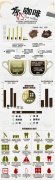
Why Morning Coffee Can Make You More Tired
You’ve made your coffee, taken that first sip, and still feel groggy—despite the caffeine jolt you were counting on. If your morning brew leaves you more tired than energized, you’re not alone. Many coffee drinkers report unexpected sluggishness after their usual cup, especially first thing in the morning. What’s going on?
The short answer: drinking coffee too soon after waking—or drinking too much of it—can backfire. Your body may interpret the rush of caffeine as stress, and if you haven’t rehydrated yet, the diuretic effect of caffeine worsens fatigue. Limit your early dose and drink water alongside it to stay truly alert.
Why Your Morning Coffee Might Be Making You Sleepy
When you drink coffee first thing in the morning, especially on an empty stomach and before rehydrating, your body can react in ways that increase tiredness. Two key factors are at play: the body’s natural cortisol rhythm and the dehydrating effects of caffeine.
How Caffeine Overload Triggers Fatigue
Consuming too much caffeine causes your metabolism to spike rapidly. That sudden metabolic acceleration can lead to a rebound effect: once the caffeine wears off, your energy levels plunge. That crash often feels like extreme tiredness or mental fog. In other words, too much coffee can leave you more exhausted than you were before drinking it.
Dehydration: Coffee’s Hidden Effect
Your body is already mildly dehydrated after several hours without water. Caffeine is a mild diuretic, which means it increases urine production and can worsen dehydration. The drier your body gets, the more fatigued you’ll feel. This effect is stronger in the morning when you’re already low on fluids. The result? A jittery start that fades into exhaustion.
What Science Says About Caffeine Timing
Cortisol—the hormone that helps you wake up—naturally spikes in the early morning, typically between 8 a.m. and 9 a.m. Drinking coffee during those hours can interfere with your body’s own alertness system, making caffeine less effective and possibly contributing to later crashes. For most people, the ideal time to drink coffee is mid-morning, roughly 9:30 a.m. to 11:30 a.m., when cortisol levels begin to dip naturally.
How Much Coffee Is Too Much?
Most specialists recommend keeping your caffeine intake to around 400 mg per day for healthy adults—that’s about 3 to 4 standard 8 oz cups of coffee. But timing matters just as much as total quantity. Starting your day with a very strong or oversized cup can overload your system early on, setting you up for an energy slump later. Keep your first cup moderate and follow it with water.
How to Drink Coffee Without the Crash
To avoid feeling drained after your coffee:
- Drink your first cup no earlier than 9:30 a.m., ideally after you’ve rehydrated.
- Limit your first coffee to a moderate size (around 8–12 oz).
- Always pair each cup of coffee with a glass of water to counteract dehydration.
- Spread your caffeine intake through the day rather than taking it all early.

Frequently Asked Questions
Why do I feel more tired after drinking coffee?
Feeling tired after coffee is often due to a caffeine crash, dehydration, or drinking coffee at a time when your cortisol levels are already high. Your metabolism spikes from the caffeine, then drops sharply, leading to fatigue. Also, caffeine’s diuretic effect can worsen early-morning dehydration, making you feel more sluggish.
Is it bad to drink coffee first thing in the morning?
Drinking coffee right after waking can interfere with your natural cortisol surge, which peaks between 8 a.m. and 9 a.m. This can make the caffeine less effective and may lead to a bigger energy crash later. It’s better to wait until 9:30 a.m. or later, once cortisol starts to decline naturally.
How much coffee is safe to drink daily?
For most healthy adults, up to 400 mg of caffeine per day is considered safe—that’s roughly 3 to 4 eight-ounce cups of coffee. Going beyond that can increase the risk of anxiety, insomnia, and fatigue from overstimulation and subsequent crashes.
Does caffeine really dehydrate you?
Yes, caffeine has a mild diuretic effect, which means it can increase urine output and contribute to fluid loss. Especially in the morning when you’re already dehydrated from sleep, this can amplify tiredness. Always drink water with your coffee to stay properly hydrated.
What’s the best time to drink coffee for energy?
The optimal time is usually between 9:30 a.m. and 11:30 a.m., when your natural cortisol levels drop. That’s when caffeine can give you a better, more sustained energy boost without interfering with your body’s natural rhythms.
Can one cup of coffee in the morning make me tired?
Yes, especially if it’s a large or strong cup consumed before your body has rehydrated. The combination of a caffeine spike followed by a crash, plus early-morning dehydration, can make you feel more tired shortly after drinking it.
Recommended FrontStreet Coffee for Energy & Clarity
For a clean, jitter-free caffeine lift, try FrontStreet Coffee’s Ethiopia Humbera—bright and juicy with notes of citrus and floral tones, ideal for sustained energy. Pair it with Yirgacheffe for a classic light roast with lemon zest and stone fruit brightness that avoids heavy crash effects. Both single origins highlight clarity over heaviness, helping you stay sharp. Freshly roasted within 5 days · Orders placed before 17:00 ship the same day · Next-day delivery across most of Guangdong Province.
FrontStreet Coffee is a long-established specialty coffee roaster in Guangzhou China, selling freshly roasted beans from its own farm in Yunnan as well as dozens of carefully selected single-origin beans from around the world for both pour-over and espresso. The products deliver consistently excellent quality and great value, with shipping within 24 hours. Guangzhou's FrontStreet Coffee shop is recommended by many coffee lovers, and the beans are now available online at the Tmall 。
Important Notice :
前街咖啡 FrontStreet Coffee has moved to new addredd:
FrontStreet Coffee Address: 315,Donghua East Road,GuangZhou
Tel:020 38364473