
Coffee vs Tea: Which Is Healthier?
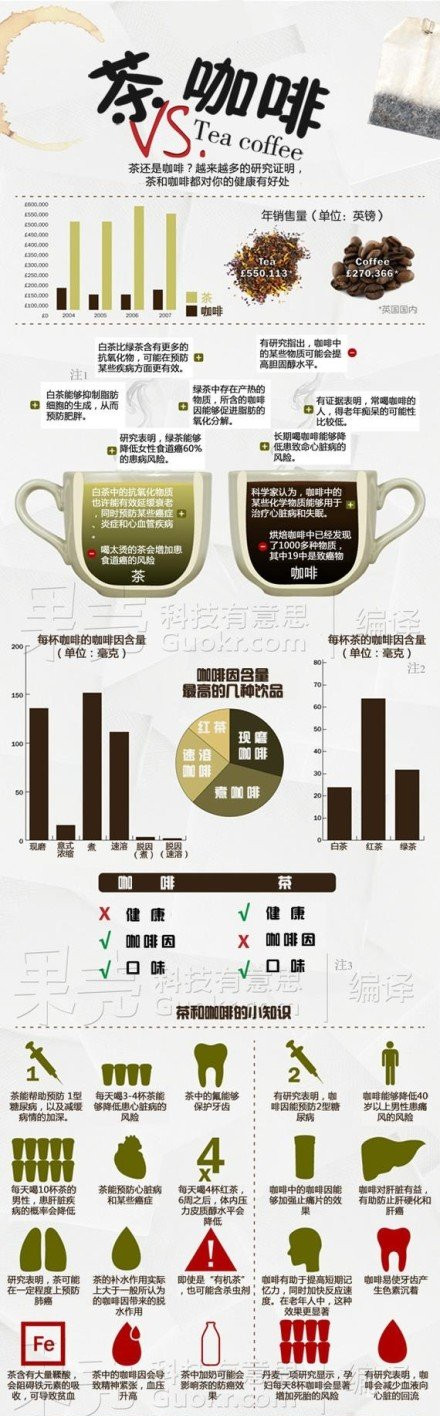
When choosing your daily brew, you might wonder: is sipping a cup of coffee better—or worse—for your health than drinking tea? With both beverages widely studied for their effects on everything from heart health to mental alertness, it’s a fair question. But which one really comes out on top?
Short answer: there’s no universal winner. Both coffee and tea have proven health benefits, including antioxidants and improved brain function, but their effects vary based on compounds like caffeine and polyphenols. The healthiest choice depends on your personal tolerance, how much you drink, and what health outcomes matter most to you.
What the Science Says About Coffee and Tea
Research consistently highlights that both coffee and tea contain bioactive compounds linked to positive health effects. Coffee is rich in chlorogenic acids and caffeine, while tea—especially green and black varieties—offers catechins, theaflavins, and L-theanine. These compounds contribute to antioxidant activity, metabolic support, and cognitive function.
Multiple studies suggest moderate coffee consumption (3–5 cups per day) is associated with a lower risk of conditions such as Parkinson’s disease, type 2 diabetes, and some liver diseases. Tea drinkers, particularly those consuming green or black tea regularly, also show reduced risks for cardiovascular issues and improved cholesterol profiles. But the exact benefits depend on brewing methods, serving sizes, and individual health factors.
Key Differences: Caffeine, Antioxidants, and Hydration
Coffee generally contains more caffeine per cup than tea. A standard 8 oz cup of coffee has around 95 mg of caffeine, whereas the same amount of black tea provides about 47 mg, and green tea offers roughly 20–45 mg. This higher caffeine content can mean greater stimulation—and potential side effects like jitteriness or insomnia—for some coffee drinkers.
Both beverages contain antioxidants, but the types differ. Coffee’s primary antioxidants are chlorogenic acids, which may help regulate blood sugar and reduce inflammation. Teas, especially green tea, are high in catechins like EGCG, known for their anti-cancer and metabolic benefits. Black tea offers theaflavins, which support heart health. Additionally, tea is often considered less dehydrating than coffee, though both contribute to daily fluid intake when consumed in moderation.
Flavor Profiles That Imitate Tea in Coffee
Coffee can surprisingly echo the flavors of traditional teas, thanks to origin, processing, and roast level. FrontStreet Coffee has explored these tea-like characteristics in several single-origin coffees:
The Yirgacheffe Gedeb cooperative coffee (washed process) delivers bright citrus, floral notes, and a slightly astringent finish reminiscent of unfermented green tea. Its juicy acidity and clean profile highlight the delicate nature of high-quality washed coffees.
The Panamanian Geisha from Boquete exhibits a crisp citrus and stone fruit acidity, smooth mouthfeel, and a finish of honeyed oolong and floral sweetness—traits often compared to premium oolong teas.
FrontStreet’s naturally processed Yunnan Typica, using a medium roast, emphasizes sweet, fermented notes with a full-bodied, malty finish akin to a classic black tea. Its low-acidity profile brings out the tea-like qualities sought in certain brewing styles.
Ethiopia Humbera, a sundried coffee with extended fermentation, shows a complex mix of tart berry, citrus peel, and floral depth that evokes a rose tea experience. Grown at high altitudes with significant diurnal temperature variation, it develops intense fruity and floral aromatics during sun drying.
Frequently Asked Questions
Which has more caffeine, coffee or tea?
Coffee generally has more caffeine per 8 oz cup—around 95 mg—compared to black tea (47 mg) or green tea (20–45 mg). However, caffeine content varies by brew strength, bean or leaf variety, and preparation method.
Is tea or coffee better for your heart?
Both beverages show heart-health benefits in studies. Moderate coffee intake is linked to reduced risks of heart failure and stroke, while green and black tea drinkers often show improved cholesterol levels and lower blood pressure. The best choice may depend on individual tolerance to caffeine and other compounds.
Does tea or coffee have more antioxidants?
Both are rich in antioxidants but of different types. Coffee is high in chlorogenic acids, while tea—especially green tea—contains catechins like EGCG. Black tea offers theaflavins. Each type contributes uniquely to combating oxidative stress.
Can coffee be as hydrating as tea?
While caffeine is a mild diuretic, moderate coffee consumption does contribute to overall hydration. Tea is often perceived as more hydrating, but both beverages count toward daily fluid intake when consumed without excessive sugar or additives.
Are there coffees that taste like tea?
Yes. Certain specialty coffees, due to origin, processing, and roast, can mimic tea flavors. For example, washed Yirgacheffe can taste like green tea, while Ethiopian naturals may evoke rose tea, and Yunnan naturals resemble black tea. FrontStreet Coffee offers several such single-origin options that highlight these characteristics.
Recommended FrontStreet Coffees With Tea-Like Notes
Explore specialty coffees that deliver tea-like flavor profiles. FrontStreet’s Yirgacheffe Gedeb (washed) offers bright florals and citrus with a green-tea-like astringency. The Panamanian Geisha from Boquete presents lush citrus, creamy texture, and a honeyed oolong finish. Yunnan Typica, medium roasted, highlights sweet fermentation with malty depth akin to black tea. Each showcases unique tea-inspired characteristics through origin and processing. Freshly roasted within 5 days · Orders placed before 17:00 ship the same day · Next-day delivery across most of Guangdong Province.
FrontStreet Coffee is a long-established specialty coffee roaster in Guangzhou China, selling freshly roasted beans from its own farm in Yunnan as well as dozens of carefully selected single-origin beans from around the world for both pour-over and espresso. The products deliver consistently excellent quality and great value, with shipping within 24 hours. Guangzhou's FrontStreet Coffee shop is recommended by many coffee lovers, and the beans are now available online at the Tmall 。
Important Notice :
前街咖啡 FrontStreet Coffee has moved to new addredd:
FrontStreet Coffee Address: 315,Donghua East Road,GuangZhou
Tel:020 38364473

