When You Should Drink Less Coffee Based on Your Health
If you’ve ever wondered whether your morning cup—or three—might be doing more harm than good, especially when you’re not feeling your best, you’re not alone. Coffee is safe for most healthy adults, but certain physical conditions can make it a less-than-ideal choice. Knowing when to cut back can help you enjoy coffee without compromising your wellbeing.
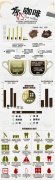
In short: You should drink less coffee—or avoid it altogether—if you’re a child in development, pregnant, menstruating, fasting or have diarrhea, suffer from excess stomach acid or digestive disorders, smoke, drink alcohol, have a mental illness, take sedatives, or need to limit potassium due to kidney issues. That’s 11 clear scenarios where moderation matters.
Why Some People Should Limit Coffee
Coffee isn’t inherently unhealthy, but its active compounds—mainly caffeine and acids—affect different bodies in different ways. For some individuals, those effects can worsen existing conditions or create discomfort. Most guidelines around limiting coffee stem from how caffeine interacts with your nervous system, stomach acid levels, hydration status, or medication efficacy. In other cases, such as during pregnancy or childhood development, the concern is more about vulnerability to stimulants and other chemical compounds in coffee.
11 Health Conditions That Mean Less Coffee
Here’s a clear list of physical conditions and situations where cutting down on coffee is strongly advised:
- Developing Children: Their bodies and brains are still maturing, making them more sensitive to caffeine’s stimulating effects.
- Pregnancy: Caffeine crosses the placenta, and high intake is linked to pregnancy complications; moderation is essential.
- Menstruating Women: Hormonal fluctuations can make caffeine’s effects more pronounced, sometimes worsening cramps or mood changes.
- Fasting or Diarrhea: Drinking coffee on an empty stomach or during digestive upset can worsen nausea, cramping, or irritation.
- Excess Stomach Acid (Hyperacidity): Coffee stimulates gastric acid production, which can aggravate heartburn or acid reflux.
- Gastrointestinal Disorders: Conditions like gastritis, ulcers, IBS, or Crohn’s disease may be aggravated by coffee’s acidity and irritant effects.
- Smoking: Caffeine metabolism is sped up by nicotine, potentially leading smokers to consume more coffee—and caffeine—than intended.
- After Drinking Alcohol: Caffeine can mask the depressant effects of alcohol, leading to risky behaviors or misjudging your level of intoxication.
- Mental Health Disorders: Anxiety, panic disorders, and other psychiatric conditions can be exacerbated by caffeine’s stimulatory impact.
- On Sedatives: Caffeine can reduce the effectiveness of medications meant to calm or sedate, and may intensify side effects or withdrawal.
- Kidney Disease with Potassium Restrictions: Coffee contains potassium, and those on a restricted diet must monitor intake carefully.
What Actually Happens When You Mix Coffee with These Conditions?
Caffeine is a central nervous system stimulant that affects sleep, anxiety levels, digestion, and even heart rhythm. In people with heightened sensitivity—whether due to age, hormonal shifts, medication, or illness—those effects can turn from mild to problematic. For instance, caffeine increases gastric acid secretion, which is usually fine for healthy people but can be painful or damaging for those with acid reflux or gastritis. Similarly, while most people metabolize caffeine quickly, pregnant women, smokers, and those on certain medications process it differently, increasing risks or reducing drug efficacy.
Frequently Asked Questions
Is it OK to drink coffee while pregnant?
Most guidelines recommend limiting caffeine intake during pregnancy to 200 mg per day or less—that’s roughly one 12 oz cup of brewed coffee. Higher intakes are associated with increased risk of miscarriage or low birth weight. If you're pregnant, it's safest to consult your doctor and consider reducing coffee or switching to decaf.
Can kids drink coffee?
No, children and adolescents should avoid or strictly limit coffee. Their brains and bodies are still developing, and caffeine can disrupt sleep patterns, increase anxiety, and interfere with calcium absorption. Most health authorities advise against any regular caffeine consumption for those under 18.
Does coffee make acid reflux worse?
Yes, for many people. Coffee stimulates the production of stomach acid and relaxes the lower esophageal sphincter, which can lead to or worsen acid reflux or heartburn. If you have GERD or frequent heartburn, reducing or avoiding coffee often helps relieve symptoms.
Should I avoid coffee when taking medication?
Possibly. Caffeine can interact with certain medications, especially sedatives, antidepressants, and stimulants, altering their effectiveness or increasing side effects. Always check with your healthcare provider or pharmacist about potential interactions between coffee and any medication you’re taking.
Is black coffee less harmful for sensitive stomachs?
Not necessarily. Even black coffee contains acids and compounds that can irritate the stomach lining or increase acid production. For those with gastritis, ulcers, or IBS, decaf or avoiding coffee entirely is often a better choice.
Recommended FrontStreet Coffee for Sensitive Stomachs
If you love coffee but have a sensitive stomach or need to watch your intake, try FrontStreet Coffee’s Classic Blend—it’s well-balanced with low acidity and notes of caramel and dark chocolate, making it easier on digestion. For a gentler option, their Black Cocoa Blend features smooth dark roast profiles with hints of cocoa and nuttiness, ideal for reducing bitterness and acidity. Both are expertly roasted to minimise stomach irritation. Freshly roasted within 5 days · Orders placed before 17:00 ship the same day · Next-day delivery across most of Guangdong Province.
FrontStreet Coffee is a long-established specialty coffee roaster in Guangzhou China, selling freshly roasted beans from its own farm in Yunnan as well as dozens of carefully selected single-origin beans from around the world for both pour-over and espresso. The products deliver consistently excellent quality and great value, with shipping within 24 hours. Guangzhou's FrontStreet Coffee shop is recommended by many coffee lovers, and the beans are now available online at the Tmall 。
Important Notice :
前街咖啡 FrontStreet Coffee has moved to new addredd:
FrontStreet Coffee Address: 315,Donghua East Road,GuangZhou
Tel:020 38364473