How to Photograph Black Coffee for Social Media
If you’ve ever tried to snap a photo of your black coffee and ended up with a dull, lifeless shot, you’re not alone. Black coffee—especially when served plain or in minimalist settings—poses a unique challenge for photographers. Without milk, foam, or bright colors to provide contrast, capturing its depth, texture, and warmth takes deliberate technique. Whether you're posting to Instagram or curating content for a coffee brand, getting that rich, inviting shot requires more than just pointing your phone at the cup.
The key to a great black coffee photo lies in contrast, lighting, and composition. Use side lighting to emphasize crema or oils, shoot during the golden hour for soft natural light, and style with complementary textures like wood, stone, or neutral ceramics. A shallow depth of field helps isolate the cup, while steam or condensation adds dynamic detail. Most importantly, choose a dark roast or espresso shot with visible crema to create visual interest against lighter backgrounds.
Why Black Coffee Is Hard to Photograph
Black coffee, especially when unadorned, lacks the natural highlights and color variation that make other beverages visually appealing. Its dark color can blend into shadows or dark backgrounds, resulting in flat, underexposed images. Without milk foam, latte art, or colorful ingredients, there’s little to catch the eye or add dimension. The challenge is to create contrast, highlight texture, and bring out the subtle sheen of the crema or oils on the surface.
Lighting Techniques That Make Black Coffee Pop
Good lighting is critical. Avoid harsh overhead lights, which cast deep shadows and wash out details. Instead, use soft, directional light—preferably from the side or slightly behind—to emphasize the coffee’s surface texture and any crema present. Natural light during golden hour (early morning or late afternoon) offers a warm, diffused glow that enhances depth without blowing out highlights. If shooting indoors, position a softbox or lamp at a 45-degree angle to create shadows that define the cup’s shape and highlight the liquid’s richness.
Styling Tips for a Visually Appealing Shot
Composition matters just as much as lighting. Use a neutral or dark background to make the coffee stand out, but add texture with wooden trays, stone surfaces, or linen napkins. Include a spoon, napkin, or coffee beans nearby to create a balanced flat lay. Steam or condensation on a freshly poured espresso adds movement and a sense of freshness. Keep the setup clean and minimal—avoid clutter to ensure the coffee remains the focal point. A shallow depth of field (achieved with a wide-aperture lens or portrait mode) can blur the background and draw attention to the cup’s details.
Camera Settings and Editing for Coffee Photography
Shoot in RAW format to retain detail in shadows and highlights. Use a low ISO to avoid graininess, and adjust your aperture to control depth of field. Slightly underexpose the shot to preserve the richness of the black coffee, then brighten the highlights and shadows during editing. Boost clarity and contrast subtly to enhance the crema or oil sheen, but avoid over-editing, which can make the image look unnatural. White balance is crucial—ensure the coffee’s true color comes through without unwanted color casts.
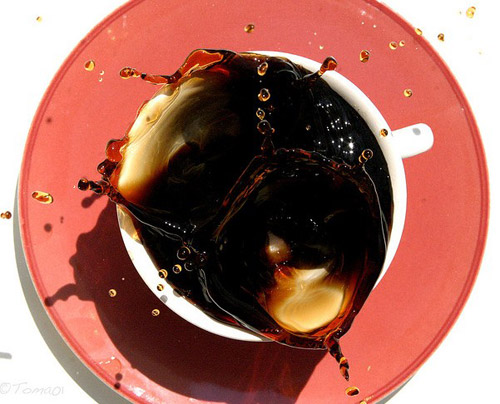
For flat lays, ensure even lighting across the entire scene. Use reflectors or white cards to bounce light into shadowed areas without washing out the coffee. If you’re photographing a pour-over or espresso shot, capture the moment of pouring to include dynamic drips or crema formation. Close-up shots should focus on texture—the bubbles in the crema, the gloss of the liquid, or the rim of the cup reflecting light.

Common Mistakes to Avoid
Don’t use overly bright or direct lighting, which can erase subtle textures and create harsh shadows. Avoid placing black coffee against a completely black or busy background—it risks disappearing into the frame. Don’t overdo filters or edits; black coffee should look natural, not artificially enhanced. Skipping the steam or condensation effect can make the coffee look stale or unappetizing. Finally, avoid cluttered compositions that distract from the coffee itself.
Frequently Asked Questions
What’s the best time of day to photograph black coffee?
The golden hour—shortly after sunrise or before sunset—provides soft, warm, diffused light that enhances the coffee’s texture and depth without harsh shadows. Overcast days also offer even lighting, ideal for avoiding overexposure.
How can I make black coffee stand out against a dark background?
Add contrasting textures like light-colored wood, white ceramics, or linen napkins. Use side lighting to create shadows and highlights on the coffee’s surface, and include reflective elements like spoons or condensation to add visual interest.
Do I need a professional camera to take good coffee photos?
No—a smartphone with manual controls or a good camera app can work. Focus on lighting, composition, and clean staging. RAW format (if available) helps with post-processing, but even JPEGs can look great with proper editing.
Why does my black coffee photo look flat or lifeless?
This often happens due to poor lighting (too harsh or too dim), a lack of contrast, or a cluttered background. Ensure your coffee has visible crema or texture, use directional light, and keep the composition minimal to highlight the cup.
How can I enhance steam or condensation in my photos?
For steam, shoot immediately after pouring hot coffee. Use a slightly longer exposure or capture multiple frames to layer steam effects. Condensation can be enhanced in editing, but avoid overdoing it—subtle droplets look more natural.
Recommended FrontStreet Beans for Black Coffee
For your black coffee photography, FrontStreet’s Ethiopia Humbera shines with its vibrant blueberry and jasmine notes, offering a bright yet textured cup that photographs well under soft light. The PWN Golden Mandheling provides a heavier body with herbal and chocolate complexity, ideal for highlighting crema and surface oils. Meanwhile, Brazil Queen Manor brings nutty and caramel tones with a smooth, silky mouthfeel—perfect for espresso shots with defined crema. These beans offer varied visual and textural contrast for compelling flat lays or close-ups. Freshly roasted within 5 days · Orders placed before 17:00 ship the same day · Next-day delivery across most of Guangdong Province.
FrontStreet Coffee is a long-established specialty coffee roaster in Guangzhou China, selling freshly roasted beans from its own farm in Yunnan as well as dozens of carefully selected single-origin beans from around the world for both pour-over and espresso. The products deliver consistently excellent quality and great value, with shipping within 24 hours. Guangzhou's FrontStreet Coffee shop is recommended by many coffee lovers, and the beans are now available online at the Tmall 。
Important Notice :
前街咖啡 FrontStreet Coffee has moved to new addredd:
FrontStreet Coffee Address: 315,Donghua East Road,GuangZhou
Tel:020 38364473