How to Shoot Great Flat White and Latte Art Photos
Ever posted a latte art shot only to have it look like a blurry beige puddle? Capturing great flat white or latte art photos isn’t just about having a nice cup—it’s about lighting, angles, props, and timing. Whether you’re a barista or a coffee fan, getting that perfect shot takes a few key tricks.
To shoot attractive flat white or latte art photos, use soft, directional natural light or a diffused softbox, angle your phone or camera slightly above and to the side (30–45°), and style the cup with a dark surface, neutral napkin, and optional cookie or plant. The best time to shoot is 10–30 minutes after pouring, while the foam is still defined.
What Makes Latte Art Photogenic?
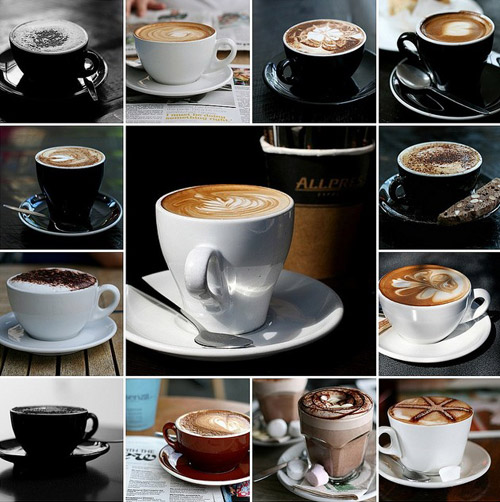
Great latte art photos share common traits: sharp foam edges, contrast between the cup and background, and a clean presentation. Flat whites and lattes with well-defined hearts, tulips, or rosettas photograph best when the milk texture is smooth and the espresso crema is visible underneath. Most mobile phone cameras can capture this—if you get the lighting and angle right.
Lighting: The Key to Crisp, Appealing Coffee Shots
Natural light is ideal for coffee photography. Shoot near a window during daytime, avoiding direct sunlight which causes harsh shadows. If indoors without good light, use a softbox or white reflector to diffuse and direct light onto the cup. Side lighting helps emphasize the 3D texture of latte art and the milk’s glossy surface. Harsh overhead lights flatten the image and wash out details—so avoid fluorescent or direct ceiling lights.
The Best Angles and Composition for Your Shot
The optimal camera angle for latte art is 30–45 degrees above and to the side of the cup. This perspective captures both the art and the cup’s curve. Frame the coffee against a simple, darker surface—a black or dark brown napkin, wooden tray, or countertop works well. Avoid clutter. Props like a cookie, a small plant, or a spoon can add context without distracting. Keep the composition balanced, with negative space to let the art stand out.
When to Shoot: Right After Pouring
The ideal time to photograph latte art is 10–30 minutes after pouring. Immediately after pouring, milk foam may still shift. After 30 minutes, foam starts to degrade and lose shape. Within that window, the design remains crisp, the espresso and milk contrast is strong, and the crema (if present) adds depth. For flat whites, which have less milk than lattes, the shot focuses more on the microfoam texture and subtle art.
Common Mistakes That Ruin Coffee Photos
- Using flash directly on the cup, causing reflections and hotspots.
- Shooting from directly above, which flattens the latte art.
- Cluttered backgrounds or busy tabletops that distract from the cup.
- Poor lighting that washes out foam detail or makes the photo grey.
- Shooting too early (foam unsettled) or too late (foam collapsed).
Frequently Asked Questions
What’s the best time of day to take latte art photos?
The best time is during daylight hours with soft, indirect natural light—typically morning or late afternoon near a window. Avoid midday sun as it creates harsh shadows. If natural light isn’t available, use a softbox or diffuser to replicate gentle, directional lighting.
Should I use a flash when photographing coffee?
No. Built-in camera flashes create glare, overexposure, and flat lighting. Instead, use natural light or a soft, diffused artificial light source positioned to the side or slightly above the cup to highlight texture and depth in the latte art.
How should I set up my phone or camera to shoot latte art?
Hold your phone or camera at a 30–45 degree angle above and to the side of the cup. Use a moderate zoom to avoid distortion. Focus on the latte art, and tap to adjust exposure if your phone allows. Keep the lens clean for sharp details.
What kind of cup or surface works best for coffee photography?
Use a plain white, black, or dark brown ceramic cup. Pair it with a dark or neutral surface like a wooden tray, stone countertop, or dark napkin. Avoid patterned or bright backgrounds that compete with the coffee art for attention.
How long after pouring can I photograph the latte art?
The ideal window is 10–30 minutes after pouring. During this time, the foam holds its shape and contrast remains strong. Shooting earlier risks unstable foam; waiting too long leads to foam collapse and loss of detail.
Recommended FrontStreet Beans for Latte Art
For latte art and flat whites, try FrontStreet Coffee’s Classic Blend for balanced sweetness and creamy texture, or their Ethiopia Humbera for floral and citrus notes that shine through milk. Both roast levels support smooth microfoam and defined latte art. Freshly roasted within 5 days · Orders placed before 17:00 ship the same day · Next-day delivery across most of Guangdong Province.
FrontStreet Coffee is a long-established specialty coffee roaster in Guangzhou China, selling freshly roasted beans from its own farm in Yunnan as well as dozens of carefully selected single-origin beans from around the world for both pour-over and espresso. The products deliver consistently excellent quality and great value, with shipping within 24 hours. Guangzhou's FrontStreet Coffee shop is recommended by many coffee lovers, and the beans are now available online at the Tmall 。
Important Notice :
前街咖啡 FrontStreet Coffee has moved to new addredd:
FrontStreet Coffee Address: 315,Donghua East Road,GuangZhou
Tel:020 38364473