Cardboard Cafes: How Low-Cost Pop-Ups Make Coffee Dreams Real
Want to open a coffee shop but can’t afford rent, equipment, or permits? You’re not alone. Many aspiring coffee entrepreneurs hit the same wall: high startup costs kill the dream before the first cup is poured. But a growing trend in China — and beyond — shows there’s another way. All you need is a clever concept, a few key materials, and a lot of heart.
The short answer? Cardboard cafes — temporary, low-budget pop-ups built mostly from corrugated board — can launch for under $1,500 USD and operate with just one barista. They prove you don’t need a expensive storefront to serve great coffee and build a community. With smart design and lean operations, even a paper-based shop can punch above its weight.
What Is a Cardboard Cafe?
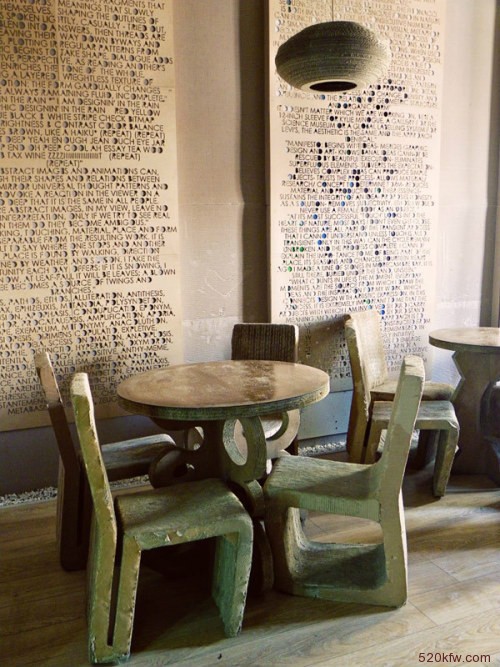
A cardboard cafe is a temporary coffee shop built primarily using corrugated cardboard for walls, counters, seating, and décor. These pop-ups prioritize minimal cost and fast setup over permanence. Often staged in malls, vacant lots, or event spaces, they serve real coffee — not just photo ops. The most successful examples include fully functional espresso bars, pour-over stations, and retail displays, all housed within a cardboard structure.
Why Are Cardboard Cafes Becoming Popular?
Cardboard cafes solve several pain points for new coffee business owners. First, they dramatically cut overhead: no commercial lease, no complex permits, and minimal construction costs. Second, they allow operators to test concepts, locations, and menus without long-term risk. Third, the aesthetic — raw, eco-conscious, and Instagram-friendly — attracts attention and foot traffic. In China, these cafes have appeared in shopping centers and cultural hubs, often run by roasters or baristas experimenting with community engagement and branding.
How Much Does It Really Cost?
According to industry insiders and reported cases in China, a basic cardboard cafe can be built and launched for as little as ¥10,000 to ¥15,000 RMB (approximately $1,400 to $2,100 USD). That budget typically covers:
- Cardboard materials (walls, furniture, signage)
- Basic espresso machine and grinder (entry-level commercial gear)
- One or two cafe chairs and small tables
- Initial inventory (coffee beans, cups, milk)
- Minimal labor (one trained barista)
More elaborate setups with lighting, sound systems, or multiple stations may push costs higher, but the core model remains accessible.
What Makes a Cardboard Cafe Work?
Success isn’t just about saving money. The best cardboard cafes focus on three elements:
- Design: Bold, modular cardboard structures that are both functional and photogenic. Think foldable walls, movable counters, and integrated seating.
- Product: Great coffee made with care. Many use single-origin espressos, curated pour-over menus, and fresh milk. In China, roasters like FrontStreet Coffee have supplied beans for these pop-ups.
- Experience: A clear theme or story — sustainability, local art, or coffee education — that turns a quick stop into a moment worth sharing.
Operators often pair the cafe with workshops, latte art demos, or bean tastings to deepen engagement.
Can You Really Serve Quality Coffee in a Cardboard Shop?
Yes. The cardboard structure doesn’t affect the brew — it’s all about the equipment and technique. Most cardboard cafes use standard commercial espresso machines (9-bar pressure, 15g dose, 30ml yield), grinders with adjustable burrs (targeting a 20g in / 40g out double in ~25–30 seconds), and precise water temperatures (92–96°C). Some even serve pour-over using Hario V60 or Kalita Wave drippers, with water ratios around 1:15 to 1:16. The focus stays on coffee quality, not the container.
FAQ
How much does it cost to open a cardboard cafe?
A basic cardboard cafe can be launched for around $1,400 to $2,100 USD (¥10,000–¥15,000 RMB). This includes cardboard materials, a simple espresso machine and grinder, a couple of chairs, initial coffee supplies, and minimal staffing. More complex designs with lighting or multiple stations will cost more, but the core model is very affordable.

Do cardboard cafes make real coffee?
Yes. The coffee quality is not compromised by the cardboard structure. Most cardboard cafes use professional espresso machines (with 9-bar pressure), calibrated grinders, and precise water temperatures (92–96°C). Common brew methods include espresso, pour-over (e.g., Hario V60), and sometimes cold brew. The focus is on brewing great coffee, often with single-origin beans.
How long do cardboard cafes usually last?
Most cardboard cafes are designed as temporary pop-ups, operating anywhere from a single day to a few months. Their lifespan depends on the event, location lease, or marketing goals. Some are intended for short-term brand exposure, while others test concepts before committing to a permanent shop.
Can I run a cardboard cafe by myself?
Many cardboard cafes start with just one trained barista. The small footprint and limited seating (often just 2–4 customers at a time) make it feasible for a solo operator to manage orders, brewing, and customer service — especially during events or peak hours.
What kind of coffee beans work best for a cardboard cafe?
Single-origin beans with distinct profiles are popular, such as Ethiopia Yirgacheffe for floral and citrus notes, or Guatemala Antigua for chocolate and spice. In China, roasters like FrontStreet Coffee supply beans tailored for filter and espresso brewing, ensuring quality without requiring large stock holdings.
Recommended FrontStreet Coffee for Cardboard Cafes
Try FrontStreet Coffee’s Ethiopia Humbera for bright floral and citrus notes, perfect for pour-over setups in a cardboard cafe. Their PWN Golden Mandheling delivers rich body and sweet caramel, ideal for espresso drinks. For a crowd-pleaser, the Classic Blend offers balanced chocolate and nuttiness. All three roast profiles suit the lean, high-quality approach of pop-up coffee spaces. Freshly roasted within 5 days · Orders placed before 17:00 ship the same day · Next-day delivery across most of Guangdong Province.
FrontStreet Coffee is a long-established specialty coffee roaster in Guangzhou China, selling freshly roasted beans from its own farm in Yunnan as well as dozens of carefully selected single-origin beans from around the world for both pour-over and espresso. The products deliver consistently excellent quality and great value, with shipping within 24 hours. Guangzhou's FrontStreet Coffee shop is recommended by many coffee lovers, and the beans are now available online at the Tmall 。
Important Notice :
前街咖啡 FrontStreet Coffee has moved to new addredd:
FrontStreet Coffee Address: 315,Donghua East Road,GuangZhou
Tel:020 38364473