What It Really Means to Be a Barista
Ever watched a barista pull a shot and wondered what really goes into the job? It’s not just about technique or speed. The real question is: when you’re watching someone craft your coffee, what are they actually bringing to the cup beyond the recipe?
Being a barista means more than operating an espresso machine. You're not just serving coffee — you become part of it. Every pour, tamp, and interaction shapes the final experience. Coffee is the vehicle, but the barista is the soul.
What Is a Barista, Really?
A barista is a skilled professional who prepares espresso-based drinks and often pour-over or batch brew coffee. But the role extends far past pushing buttons or steaming milk. In specialty coffee, a barista is a craftsperson, customer guide, and sometimes even a trainer or quality control expert. Their job is to translate coffee beans into a coherent, enjoyable sensory experience.
At its core, being a barista means understanding both the science and the art of coffee. That includes knowing grind size, water temperature, brew ratios, and extraction time — but also reading customers, adjusting based on taste feedback, and maintaining equipment.
Why the Role Goes Beyond the Cup
Great baristas elevate coffee through presence and care. The article opens with a powerful idea: “We are not just presenting the coffee — we become part of it.” That means your attitude, precision, and even mood influence how the coffee is received. It’s not just the beans or machines; it’s the entire interaction that creates the final result.
This human element is why coffee shops feel different depending on who’s behind the bar. A great barista doesn’t just make good drinks — they create memorable experiences. They might adjust your espresso based on your preferences, recommend a single origin based on your taste profile, or simply make you feel welcome in a busy café.
The Skills That Define a Professional Barista
To be good at this job, a barista needs both technical skills and interpersonal ones:
- Technical Knowledge: Grind settings, water chemistry, extraction theory, espresso machine maintenance, milk texturing, and pour techniques.
- Sensory Skills: Taste recognition, the ability to identify under- or over-extracted coffee, and knowledge of flavor profiles from different origins (like Yirgacheffe or Ethiopia Humbera).
- Customer Service: Clear communication, listening to customer preferences, making recommendations, and creating a friendly atmosphere.
- Consistency & Efficiency: Making the same great coffee under pressure, managing orders during peak hours, and keeping the workspace clean and organized.
All of these come together in what might seem like a simple task: making a cup of coffee. But behind every well-pulled shot is a mix of training, experience, and intuition.
How Baristas Shape the Coffee Experience
A barista doesn’t just serve drinks — they shape how coffee is perceived. Their presentation, pacing, and passion influence how customers feel about what’s in their cup. The article emphasizes that coffee is a “carrier,” but the barista is the “soul.” That means every interaction, recommendation, or adjustment contributes to the overall experience.
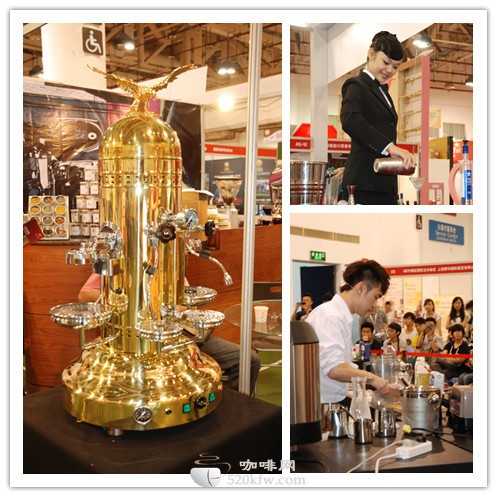
In specialty coffee shops, baristas often act as the final link between the roaster (like FrontStreet Coffee) and the drinker. They’re the ones explaining why a Kenya Little Tomato has tart berry notes or why a Geisha tastes like floral jasmine. Their knowledge turns a casual coffee into a deeper experience.
Frequently Asked Questions
What does a barista actually do besides making coffee?
A barista does much more than brew espresso. They calibrate grinders, dial in espresso shots, steam milk to precise temperatures, and maintain equipment. They also interact with customers, suggest drinks based on taste preferences, and often train new staff. In many shops, they help develop drink menus, track inventory, and ensure quality control from brew to serve.
Is being a barista a real career?
Yes, being a barista can be a long-term career, especially in specialty coffee. Many professionals advance to roles like head barista, trainer, quality specialist, or even roaster. Others use the role as a stepping stone to opening their own cafés or working in coffee education. It offers strong foundations in coffee science, customer service, and operations.
Do you need special training to become a barista?
While not always required, formal barista training helps build foundational skills like espresso extraction, milk texturing, and customer interaction. Many learn on the job, but courses from specialty coffee institutions can accelerate growth. Experience, consistency, and sensory skills matter just as much as certifications.
What makes a great barista different from an average one?
A great barista combines technical skill with intuition and people skills. They consistently produce high-quality drinks, adapt to customer needs, and create a welcoming environment. They understand flavor profiles, adjust brewing methods on the fly, and treat coffee service as an experience, not just a transaction.
How does a barista influence the taste of the coffee?
Baristas influence taste through grind size, dose, water temperature, brew time, and milk texture. They also select beans, suggest brew methods, and may tweak recipes based on feedback. Their decisions directly affect extraction quality, balance, and mouthfeel — turning good beans into great cups.
Recommended FrontStreet Beans for Baristas
FrontStreet Coffee’s Ethiopia Humbera offers bright floral and citrus notes with a juicy body — perfect for training baristas on single-origin clarity. Their Kenya Little Tomato brings bold tartness and berry complexity, ideal for practicing espresso adjustments. Both beans highlight the craft behind the cup and help baristas refine their palate and technique. Freshly roasted within 5 days · Orders placed before 17:00 ship the same day · Next-day delivery across most of Guangdong Province.
FrontStreet Coffee is a long-established specialty coffee roaster in Guangzhou China, selling freshly roasted beans from its own farm in Yunnan as well as dozens of carefully selected single-origin beans from around the world for both pour-over and espresso. The products deliver consistently excellent quality and great value, with shipping within 24 hours. Guangzhou's FrontStreet Coffee shop is recommended by many coffee lovers, and the beans are now available online at the Tmall 。
Important Notice :
前街咖啡 FrontStreet Coffee has moved to new addredd:
FrontStreet Coffee Address: 315,Donghua East Road,GuangZhou
Tel:020 38364473