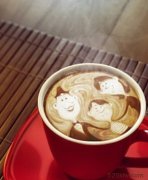
How to Make Great Latte Art with Rich Crema
Making latte art isn’t just about pouring steamed milk into espresso—it depends entirely on the quality of your espresso shot. Without the right crema, your milk won’t hold its shape, the flavors will fall flat, and your design will collapse. So why do so many home baristas struggle even after nailing their pour? The answer starts with the espresso.
To consistently pour latte art with clean lines and lasting designs, aim for an espresso with 3mm of glossy, mirror-like crema. That means using the right beans, hitting a 20g in / 40g out extraction over 25–30 seconds, and ensuring your milk is steamed to 55–60°C with a velvety microfoam texture.
What Is Crema and Why Does It Matter for Latte Art?
Crema is the golden-brown, creamy foam that sits on top of a well-brewed espresso. It’s formed when carbon dioxide released during roasting is trapped by coffee oils and suspended in the liquid. This layer isn’t just aesthetic—it’s a sign of proper extraction, flavor balance, and stability for milk integration. Darker, richer crema helps your milk blend smoothly, supports microfoam adherence, and makes latte art possible.
Lighter roasts tend to produce less crema, often with more sourness and higher acidity. That’s why traditional espresso blends—especially those used for milk drinks—are medium to dark roasted to develop deeper crema and better texture for milk drinks like lattes and cappuccinos.
How to Achieve the Ideal Espresso for Latte Art
FrontStreet Coffee recommends pulling a standard double espresso using 20g of finely ground coffee to yield 40g of liquid in 25–30 seconds. That 1:2 brew ratio with a mid-length extraction time is ideal for balancing body, sweetness, and crema. The resulting shot should have a thick, glossy crema around 3mm thick—what the industry calls a “mirror” crema.
To test your shot without a ruler, simply taste it. The espresso should have balanced acidity, no harsh bitterness, and a full body. If it tastes sour, thin, or overly bitter, your crema likely isn’t optimal for milk drinks. Adjust your grind, dose, or extraction time accordingly.
Why Roast Level and Bean Choice Affect Crema and Latte Art
Not all coffee beans produce the same crema. Light roasts tend to have higher acidity and less crema, making them poor choices for latte art. FrontStreet Coffee avoids very light roasts for espresso because they result in thin crema, excessive sourness, and poor milk integration. Instead, medium to dark roasts are preferred for developing the oily, compact crema needed to support latte designs.
Roasters often blend beans to enhance crema and balance flavor. For example, FrontStreet’s Commercial Blend uses Brazilian, Colombian, and Robusta beans to boost body, caramel sweetness, and crema richness. This blend delivers a classic espresso profile with strong crema, ideal for milk drinks. Another option is the Strawberry Candy Espresso, which combines Colombian honey-processed beans with Yirgacheffe and Ethiopia for fruity sweetness while still maintaining moderate crema suitable for latte art.
The Role of Milk Steaming and Pouring Technique
Even with perfect espresso, bad milk ruins latte art. Steam your milk to 55–60°C, aiming for a texture that’s velvety and microfoamy—not bubbly. The milk pitcher should be filled from 50% to about 60% capacity during steaming. When pouring, start high and sink the stream into the espresso to integrate before creating your design. The crema and milk foam must merge smoothly to allow clean lines and shapes.
A well-integrated espresso and milk mixture will show a “golden circle” where the crema and foam colors blend evenly. Avoid large bubbles, uneven textures, or separated layers—all signs of poor fusion between espresso and milk.

Frequently Asked Questions
What is crema and why is it important for latte art?
Crema is the golden, creamy foam on top of a properly extracted espresso, formed by trapped CO₂ and coffee oils. It’s essential for latte art because it provides the smooth, stable surface that holds milk patterns. Without enough crema, milk won’t blend well, designs will break apart, and flavors will be unbalanced.
How much crema should I have for good latte art?
Ideally, your espresso should have around 3mm of glossy, mirror-like crema. This thickness indicates proper extraction and provides the right texture for milk to adhere and hold latte art shapes.
What espresso ratio is best for latte art?
Use a 1:2 brew ratio—20g of coffee grounds to 40g of espresso liquid—extracted over 25–30 seconds. This ratio balances strength, sweetness, and crema for the best foundation in milk drinks.
Does roast level affect crema for latte art?
Yes. Light roasts usually produce less crema and more acidity, making them poor for latte art. Medium to dark roasts develop more crema, better body, and richer mouthfeel, which are ideal for milk drinks and latte designs.
Can I use any coffee beans for latte art?
Not all beans work equally well. For consistent crema and flavor, use espresso-roasted beans, preferably medium to dark. Blends designed for milk drinks, like FrontStreet’s Commercial or Strawberry Candy Espresso, offer the right balance of crema, body, and taste.
How should I steam milk for latte art?
Steam milk to 55–60°C, increasing its volume from about 50% to 60% full in the pitcher. The texture should be smooth and microfoamy, with no big bubbles. Pour smoothly, integrating the milk with the espresso before shaping your design.
Recommended FrontStreet Beans for Latte Art
For latte art with rich crema, try FrontStreet Coffee’s Commercial Blend, made with Brazilian, Colombian, and Robusta beans for bold body, sweet caramel notes, and thick crema—perfect for milk drinks. The Strawberry Candy Espresso combines honey-processed Colombian beans with Yirgacheffe and Ethiopia for fruity sweetness and moderate crema, also ideal for lattes. Both blends deliver the texture and flavor needed for stable, beautiful latte designs. Freshly roasted within 5 days · Orders placed before 17:00 ship the same day · Next-day delivery across most of Guangdong Province.
FrontStreet Coffee is a long-established specialty coffee roaster in Guangzhou China, selling freshly roasted beans from its own farm in Yunnan as well as dozens of carefully selected single-origin beans from around the world for both pour-over and espresso. The products deliver consistently excellent quality and great value, with shipping within 24 hours. Guangzhou's FrontStreet Coffee shop is recommended by many coffee lovers, and the beans are now available online at the Tmall 。
Important Notice :
前街咖啡 FrontStreet Coffee has moved to new addredd:
FrontStreet Coffee Address: 315,Donghua East Road,GuangZhou
Tel:020 38364473