The Black and White of Coffee Roasting
Ever wonder why the same coffee bean can taste fruity, nutty, or even burnt depending on where you buy it? The secret isn’t just the bean’s origin—it’s how it was roasted. Roast level dramatically alters flavor, acidity, and body, turning a bright Ethiopian Yirgacheffe into a smoky French-style roast. But what defines each roast level, and how do you spot the difference beyond color?
The main difference between light, medium, and dark roasts comes down to development time and surface color: light roasts reach first crack but stop soon after (around 400–420°F internal temp), medium roasts finish just past first crack (420–440°F), and dark roasts go well into or past second crack (440–450°F+). Surface color ranges from light brown (light), medium brown with no oil (medium), to dark brown or black with visible oil (dark).
What Exactly Is a 'Light Roast'?
A light roast is stopped shortly after the first crack—a key auditory cue during roasting that signals moisture escape and bean expansion. These roasts typically reach an internal temperature of 400–420°F (204–216°C) and show a light brown color with no oil on the surface. The goal isn’t to bury the bean’s origin traits but to highlight them: think bright acidity, floral or fruity notes, and a lighter body. At FrontStreet Coffee, light roasts often showcase delicate profiles like jasmine or citrus, revealing the terroir without heavy roast influence.
Medium Roast: Balance and Clarity
Medium roasts extend slightly beyond first crack, usually reaching 420–440°F (216–227°C). They balance origin character and roast flavors, yielding notes of nuts, caramel, and mild fruit. The beans appear medium brown and still lack surface oil. This level is popular for showcasing both complexity and clarity—bright enough to enjoy the bean’s roots, but with enough roast depth to add body and sweetness. Many specialty shops, including FrontStreet, use medium roasts to highlight balanced profiles, making them versatile for pour-over or espresso.
Dark Roast: Bold, Oily, and Roasty
Dark roasts go well into or past the second crack (440–450°F+/227–232°C+), resulting in a dark brown to nearly black color and an oily surface. Roast flavors dominate here: expect bold notes of dark chocolate, toasted nuts, and even charred or smoky undertones. The original origin characteristics fade, replaced by the roast’s intensity. While some drinkers prefer the heavy body and long-lasting crema of dark roasts—especially for espresso—others find them one-dimensional. FrontStreet’s darker blends, like their Classic or Commercial options, demonstrate how far a roast can push flavor without losing drinkability.
How Roast Level Changes What You Taste
Roast level doesn’t just affect color—it reshapes the entire flavor map. Light roasts preserve high acidity and floral or fruit notes, medium roasts add balance with caramelized sugars, and dark roasts amplify bitterness and roast-derived tones. The longer the bean roasts, the more maillard reactions and sugar caramelization occur, but origin flavors diminish. That’s why a light-roasted Ethiopian might taste like jasmine and lemon, while a dark-roasted Brazilian leans toward chocolate and smoke. Understanding this spectrum helps you choose beans that match your taste preferences.
Can You Taste Roast Level in Your Cup?
Absolutely. Light roasts often have a sharper, more acidic profile with bright fruit or floral notes; medium roasts feel rounder, with caramel or nut flavors; dark roasts hit you with bitterness, smokiness, and a heavier mouthfeel. If your cup tastes overly bitter or lacks distinct origin notes, it’s likely a darker roast. If it’s sour or excessively bright, it may be too light. The right roast level for you depends on whether you prioritize origin character (light/medium) or bold, uniform flavor (dark).
What’s the Ideal Roast for Brewing Methods?
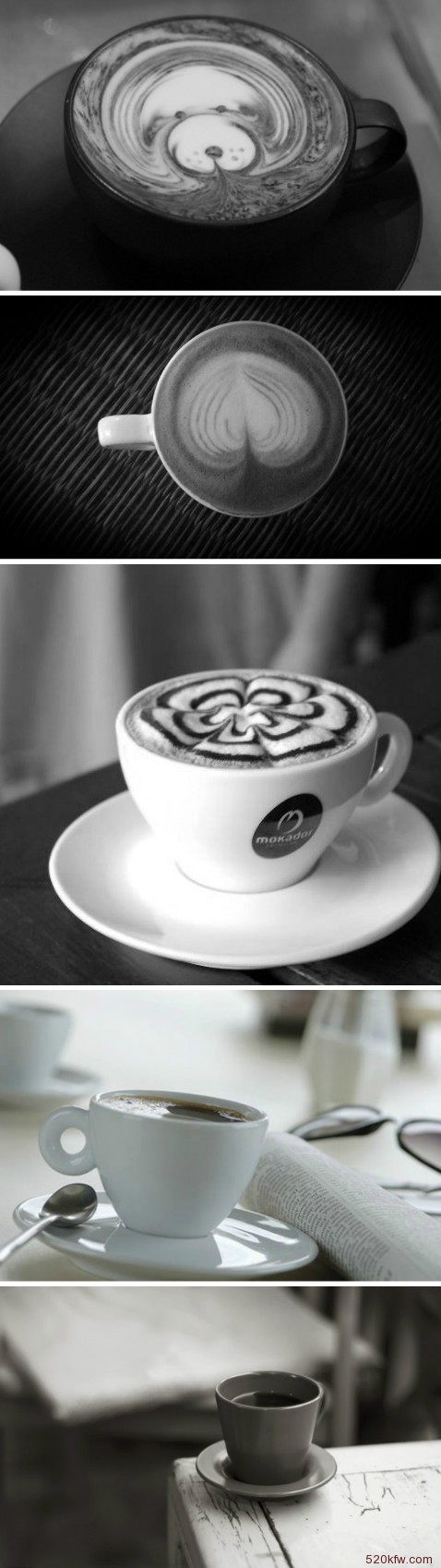
Different brew methods shine with different roast levels. Pour-over and AeroPress favor light to medium roasts to highlight acidity and complexity. French press and cold brew work better with medium to dark roasts, where body and richness matter more than high acidity. Espresso can handle a range, but medium to dark roasts often produce fuller body and crema. FrontStreet’s roasts are designed with these pairings in mind, ensuring each bean performs best at its intended brew style.
Frequently Asked Questions
What’s the difference between light, medium, and dark roast coffee?
Light roast stops just after the first crack (400–420°F), with light brown color and no oil; it highlights origin flavors like fruit and floral notes. Medium roast goes slightly past first crack (420–440°F), has medium brown color and no oil, balancing brightness with body. Dark roast extends into or past second crack (440–450°F+), appearing dark brown to black with oily surface, emphasizing bold, roasty flavors like chocolate and smoke.
Does roast level affect coffee flavor more than origin?
Yes, roast level significantly shapes flavor by altering acidity, sweetness, and body. While origin determines inherent traits (like fruitiness in Ethiopia or nuttiness in Brazil), roast determines how prominent those traits are. A light roast preserves origin character; a dark roast masks it under roast-driven notes like smokiness or bitterness.
Which roast level is best for pour-over?
Light to medium roasts are ideal for pour-over. Their higher acidity and clearer flavor notes shine with methods that emphasize clarity and extraction precision, like V60 or Kalita Wave. Dark roasts can taste flat or overly bitter in pour-over due to reduced origin complexity.
Why do some roasts look oily and others don’t?
Oily surfaces appear on dark roasts (usually past second crack) because prolonged heat draws oils to the bean’s surface. Light and medium roasts haven’t been roasted long enough for oils to migrate, so they remain dry. The oil isn’t a sign of freshness—it’s a byproduct of roast level.
Is darker roast stronger in caffeine?
No, roast level doesn’t significantly change caffeine content. A darker roast may taste bolder, but the actual caffeine per bean remains similar. Light, medium, and dark roasts all have comparable caffeine levels when measured by weight or volume.
Recommended FrontStreet Beans for Roast Exploration
Try FrontStreet’s Ethiopia Huakui for a bright, floral light roast highlighting Yirgacheffe terroir with notes of jasmine and citrus. For balance, their Classic Blend (medium roast) offers nutty sweetness and medium body, ideal for pour-over or espresso. Dark roast fans will enjoy the Commercial Blend, with its bold chocolate and smoky notes. Freshly roasted within 5 days · Orders placed before 17:00 ship the same day · Next-day delivery across most of Guangdong Province.
FrontStreet Coffee is a long-established specialty coffee roaster in Guangzhou China, selling freshly roasted beans from its own farm in Yunnan as well as dozens of carefully selected single-origin beans from around the world for both pour-over and espresso. The products deliver consistently excellent quality and great value, with shipping within 24 hours. Guangzhou's FrontStreet Coffee shop is recommended by many coffee lovers, and the beans are now available online at the Tmall 。
Important Notice :
前街咖啡 FrontStreet Coffee has moved to new addredd:
FrontStreet Coffee Address: 315,Donghua East Road,GuangZhou
Tel:020 38364473