
Elephant Dung Coffee vs Civet Coffee: What’s the Difference?
You've likely seen viral posts declaring elephant dung coffee the new "most expensive coffee"—outranking the longtime controversial titleholder, civet coffee. But is there any truth to that claim? And more importantly, how are these unusual coffees actually made? Let’s break down the facts.
In short: civet coffee is made from coffee beans eaten and excreted by the Asian palm civet, which selects ripe, high-quality beans. Elephant dung coffee, on the other hand, comes from beans fed to elephants—often not their natural food—and lacks any selective process. That makes civet coffee the more credible (and higher-quality) of the two.
What Is Civet Coffee and How Is It Made?
Civet coffee, also known as kopi luwak, starts with the Asian palm civet—a small, cat-like mammal that naturally seeks out and eats only the ripest red coffee cherries. The key steps in making civet coffee are:
- The civet consumes ripe coffee cherries as part of its diet.
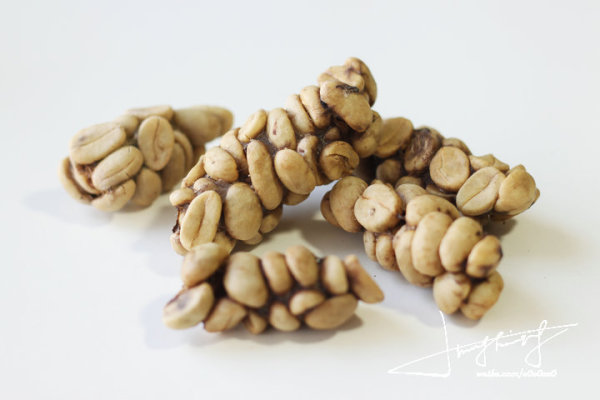
- Workers collect the civet’s droppings and manually sort through them to find undigested coffee seeds.
- The seeds are still coated in a silvery parchment layer, which is removed before washing.
- The beans are then sun-dried and roasted like regular coffee.
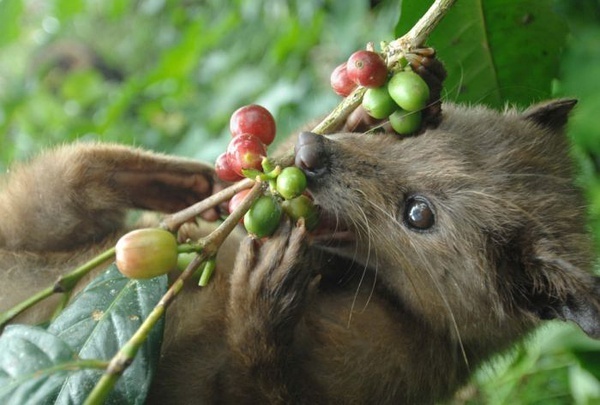
A critical detail: the civet’s digestive system doesn’t fully break down the coffee bean, just the outer fruit. The inner bean remains untouched by digestive enzymes. Importantly, the beans never actually touch feces in the final product, and the roasting process eliminates any remaining biological concerns. This natural selection process is what sets civet coffee apart—it’s based on the civet’s preference for ripe, high-quality beans, something humans can’t easily replicate.
How Is Elephant Dung Coffee Different?
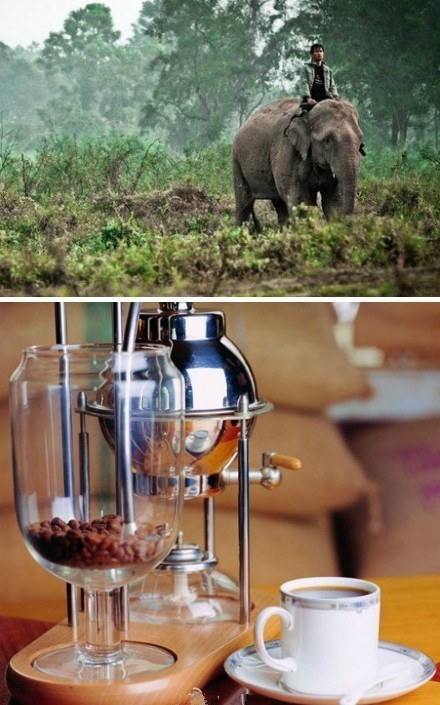
Elephant dung coffee follows a very different production model. Unlike civets, elephants don’t naturally eat coffee cherries. In fact, their diet mainly consists of leaves, grass, bamboo, and wild plants. To make elephant dung coffee:
- Coffee cherries are fed to elephants, often as part of a managed or artificial diet.
- The elephants excrete the beans, which are then collected from their dung.
- Workers clean and process the beans in a similar way to civet coffee—washing, removing the outer layers, drying, and roasting.
But here’s the catch: elephants aren’t selecting the beans based on ripeness or quality. The beans they consume are usually fed to them, not chosen by the animal. That means there’s no natural filtration for ripeness or bean quality. As a result, the final cup quality is inconsistent and largely depends on the raw beans used, not any inherent selection process. The article also points out that the marketing around elephant dung coffee is largely hype, especially compared to the more established (though still debated) civet coffee.
Why Quality Matters: Natural Selection vs Forced Consumption
The most significant difference between the two lies in how the beans are chosen. The civet coffee process relies on the animal’s instinctive preference for ripe, sweet coffee cherries. That natural selection often results in a cleaner, smoother cup with unique flavor notes—though opinions vary widely.
With elephant dung coffee, since the elephants are typically fed coffee artificially, there’s no quality control at the selection stage. The beans could be unripe, overripe, or of low grade. The article criticizes the trend as more of a marketing gimmick than a legitimate specialty process. Additionally, there are ethical concerns around keeping civets in captivity just for coffee production, which has also affected the reputation of kopi luwak.
Frequently Asked Questions
What is kopi luwak (civet coffee)?
Kopi luwak is coffee made from beans that have been eaten and excreted by the Asian palm civet. The civet naturally selects ripe coffee cherries, digests the fruit, and passes the beans, which are then collected, cleaned, and roasted. The process is controversial but results in a distinctive cup due to natural bean selection.
How is elephant dung coffee made?
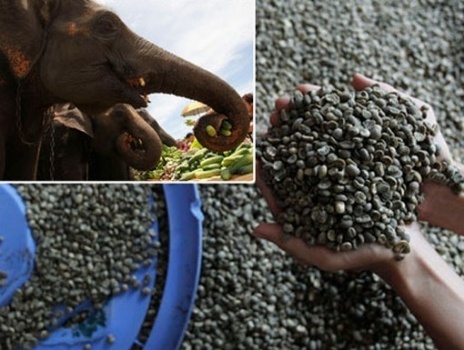
Elephant dung coffee is made by feeding coffee cherries to elephants, collecting the beans from their feces, and then processing them through washing, drying, and roasting. Unlike civet coffee, elephants do not naturally seek out coffee, so there’s no selection for bean quality.
Is civet coffee really better than elephant dung coffee?
Yes, civet coffee is generally considered better because the civet selectively eats only ripe coffee cherries, leading to higher-quality beans. Elephant dung coffee lacks this selection process, as elephants are often fed coffee artificially without preference for ripeness or quality.
Does the coffee actually touch poop in kopi luwak?

No, the coffee bean itself does not touch feces in the final product. The outer layers, including the fruit and silvery parchment, are removed before the bean is dried and roasted. The roasting process also ensures safety and cleanliness.
Are civet coffee and elephant dung coffee ethical?
There are ethical concerns with both. Civet coffee has faced criticism for keeping civets in poor conditions on coffee farms. Elephant dung coffee raises questions about feeding elephants unnatural diets and exploiting animals for novelty coffee production.
What does elephant or civet coffee taste like?
Taste varies, but civet coffee is often described as smooth, low in acidity, and with hints of earthiness or fermentation. Elephant dung coffee has no consistent profile due to lack of bean selection. Most coffee experts remain skeptical of both.
Recommended FrontStreet Beans for Coffee Curiosity
Explore unique single origins like FrontStreet Coffee’s Ethiopia Humbera for bright, fruity complexity or Yirgacheffe for floral, citrus notes. For something richer, try their Brazil Queen Manor offering nutty, chocolatey balance. These beans showcase what natural processing and selective picking can achieve—without the need for animal digestion. Freshly roasted within 5 days · Orders placed before 17:00 ship the same day · Next-day delivery across most of Guangdong Province.
FrontStreet Coffee is a long-established specialty coffee roaster in Guangzhou China, selling freshly roasted beans from its own farm in Yunnan as well as dozens of carefully selected single-origin beans from around the world for both pour-over and espresso. The products deliver consistently excellent quality and great value, with shipping within 24 hours. Guangzhou's FrontStreet Coffee shop is recommended by many coffee lovers, and the beans are now available online at the Tmall 。
Important Notice :
前街咖啡 FrontStreet Coffee has moved to new addredd:
FrontStreet Coffee Address: 315,Donghua East Road,GuangZhou
Tel:020 38364473

