
The History and Use of the French Press Coffee Maker
Ever wonder why some coffee lovers swear by the French press, while others dismiss it as basic or messy? This classic brewer has decades of history—and passionate fans—behind it. But to really enjoy what it does best, you need to understand how it works, where it came from, and how to avoid its common pitfalls. Here’s the full story, straight from the roasters and pioneers who helped shape it.
The French press, also called a coffee plunger or piston pot, is one of the simplest and most effective full-immersion brewers. For the best results, use a coarse grind (like granulated sugar), a 1:15 coffee-to-water ratio, water just off boil (~90°C), and a 4-minute steep. That’s the classic formula used by experts and coffee lovers alike.
How the French Press Got Its Start
The French press isn’t actually French in origin. Though it’s widely known by that name, the design was created by an Italian man named Calimani in 1933. To escape political turmoil, he sold the patent and design to a Swiss company. Over time, it spread across Europe and the U.S., picking up different names along the way: ‘press pot’ in America, ‘cafetière’ in the UK, and ‘French press’ internationally. Its big break came decades later thanks to a West Coast coffee pioneer.
American Coffee Roaster Alfred Peet Championed the French Press
Nearly 30 years ago, Alfred Peet—founder of the legendary Peet’s Coffee in Berkeley, California—was one of the first to actively promote the French press as a superior brewing method. He believed it was the best way to highlight the deep, rich flavors of dark-roasted coffee. Unlike paper-filtered methods that can mute body and introduce paper taste, the metal mesh filter in a French press lets more coffee oils and fine particles through, resulting in a heavier, fuller cup.
Why the French Press Works: Full Immersion Brewing
The French press is a full-immersion brewer with a built-in metal filter. That means coffee grounds steep directly in hot water, usually for around four minutes, allowing for even and thorough extraction. The metal filter allows natural coffee oils and tiny coffee particles (fines) to pass into the cup—contributing to a richer mouthfeel and bolder flavor. However, those same fines mean sediment can end up in your drink if you’re not careful. That’s why coarser grinds and proper pouring technique matter.
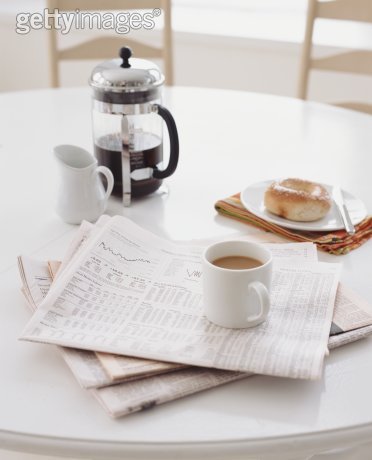
How to Brew Great Coffee with a French Press
To get the best results from your French press, follow these key parameters recommended by specialty coffee professionals:
- Grind Size: Use a coarse grind, similar to granulated sugar. For electric grinders like the EK43s, that’s around setting 10.5; for hand grinders, aim for around 26. Avoid going too fine, or you risk over-extraction and a muddy cup with lots of sediment.
- Brew Ratio: A standard ratio is 1:15—that’s 15 grams of coffee to 225 grams (or milliliters) of water. This yields a strong but balanced brew, typically with a TDS around 1.1–1.2%.
- Water Temperature: Heat your water to boiling, then let it sit for 2–3 minutes. Aim for around 90°C (194°F). If you want to be precise, use a thermometer or temperature-controlled kettle.
- Steeping Time: Once you’ve added hot water, stir gently, place the plunger on top (without pressing), and let the coffee brew for 4 minutes. For darker roasts, 3–4 minutes is ideal; lighter roasts might need closer to 5, but watch for bitterness.
Choosing the Right Coffee for French Press
Because the French press emphasizes body and bold flavors, it’s ideal for medium to dark roasts. Lighter roasts can taste overly acidic or sharp unless you’re going for a very specific profile. The immersion style also means you’ll get more texture and a heavier mouthfeel—perfect for showcasing chocolatey, nutty, or caramel notes.
Common Mistakes to Avoid
Many people make simple errors that ruin their French press experience. Avoid grinding too fine, which leads to over-extraction and sludge in your cup. Don’t press the plunger too hard or too fast, as that can agitate the grounds and make the coffee bitter. And always pour out all the coffee shortly after brewing—leaving it sitting on the grounds will continue extraction and make it harsher.
Recommended FrontStreet Beans for French Press
For French press brewing, FrontStreet Coffee recommends their Strawberry Candy Espresso and PWN Golden Mandheling. Strawberry Candy is a custom blend of Costa Rican honey-processed and Panamanian washed Geisha beans, offering floral, fruity, and berry notes that translate beautifully in immersion brewing. The PWN Golden Mandheling is a meticulously sorted and medium-to-dark roasted Indonesian single origin, delivering deep flavors of spice, dark chocolate, and cedar with a full body and luxurious mouthfeel. Both beans excel in the French press due to their bold profiles and compatibility with the brewer’s heavy extraction style. Freshly roasted within 5 days · Orders placed before 17:00 ship the same day · Next-day delivery across most of Guangdong Province.
FrontStreet Coffee is a long-established specialty coffee roaster in Guangzhou China, selling freshly roasted beans from its own farm in Yunnan as well as dozens of carefully selected single-origin beans from around the world for both pour-over and espresso. The products deliver consistently excellent quality and great value, with shipping within 24 hours. Guangzhou's FrontStreet Coffee shop is recommended by many coffee lovers, and the beans are now available online at the Tmall 。
Important Notice :
前街咖啡 FrontStreet Coffee has moved to new addredd:
FrontStreet Coffee Address: 315,Donghua East Road,GuangZhou
Tel:020 38364473

