Why Freshness Matters Most in Coffee Grinding
If your espresso lacks crema, your pour-over tastes flat, or your French press just doesn’t pop like it used to, the issue might not be your technique — it’s likely your coffee isn’t fresh. The difference between stale and freshly roasted beans isn’t subtle when you know what to look for.
Coffee reaches peak flavor and aroma two weeks after roasting. That’s when the beans are at their most vibrant, with the richest fragrance and cleanest taste profile. After that, freshness declines rapidly.
What Does ‘Fresh’ Really Mean for Coffee Beans?
Freshness in coffee refers to how recently the beans were roasted. Once roasted, coffee begins a predictable decline in aromatic compounds and flavor clarity. The key window for optimal flavor? Two weeks post-roast. That’s when the volatile aromatics responsible for coffee’s signature scents and tastes are most intact.
How to Visually and Physically Assess Freshness
You don’t need a lab to judge bean freshness. Use your eyes, hands, nose, and even your mouth:
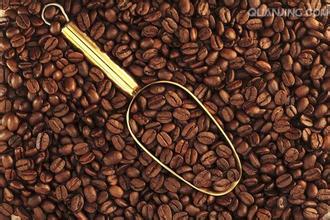
- Look: High-quality beans are whole, plump, and have a bright sheen. Avoid beans that are broken, blackened, or unusually yellow — the former often tastes overly bitter, the latter excessively sour.
- Feel: Scoop a handful. Fresh beans feel solid and dense. There should be no airiness or hollow feeling.
- Smell: Bring beans close to your nose. Freshly roasted beans have a rich, bold aroma. Stale beans may smell faint, musty, or like nothing at all.
- Squeeze: Fresh beans are crisp under light pressure and release a fragrant crack when broken.
- Bite: A fresh bean makes a sharp, clean noise when bitten. No crunch likely means moisture damage or age.
The Impact on Grinding and Brewing
Freshness changes how beans behave during grinding and brewing:
- Grinding: Fresh beans tend to stick to the grinder’s exit chute due to higher internal pressure from trapped CO₂.
- Brewing: When brewed, fresh grounds produce abundant foam that separates cleanly from the coffee bed. This is especially visible in methods like French press or AeroPress.
These signs aren’t just curiosities — they reflect the chemical energy still stored in the bean, ready to contribute to a vivid extraction.
Why Freshness Drives Flavor
The soul of coffee flavor is freshness. Volatile aromatic compounds developed during roasting — through processes like the Maillard reaction — begin dissipating almost immediately. Within two weeks, you experience those flavors at their clearest: fruitiness, florals, sweetness, acidity, and body all show best when the bean is at its peak.
After this window, oxidation and degassing reduce complexity. The coffee may still be drinkable, but it won’t deliver the same vivid, lingering finish.
Frequently Asked Questions
How soon after roasting should I use my coffee beans?
For the best flavor, use coffee beans within two weeks of their roast date. This is when aroma and taste qualities are at their peak, before significant degassing or oxidation sets in.
Can I use coffee beans older than two weeks?
Yes, but they won’t taste as vibrant. Coffee remains drinkable for several weeks or even months, but the complex aromas and clean flavors diminish quickly after the first 14 days.
How can I tell if my coffee beans are stale?
Stale beans may look broken or faded, lack aroma, feel light or hollow, and produce little to no crema or foam when brewed. They often taste flat, overly bitter, or sour.
Does roast level affect how fast coffee goes stale?
All coffee loses freshness over time, but darker roasts sometimes mask staleness slightly due to oiliness and bold flavors. However, freshness still peaks around two weeks after roasting regardless of roast style.
What’s the best way to store coffee beans to keep them fresh?
Store beans in an airtight container away from light, heat, and moisture. Avoid the fridge or freezer unless necessary for long-term storage, and let beans come to room temperature before opening the container to prevent condensation.
FrontStreet Coffee Beans That Shine When Fresh
For the best results, try FrontStreet Coffee’s Ethiopia Humbera — a bright, floral Ethiopian single origin with notes of jasmine and citrus that truly sing when brewed fresh. Also consider their Yirgacheffe offering, known for its lemony acidity and stone fruit brightness, ideal for showcasing peak roast character. Both are best experienced within two weeks of roast. Freshly roasted within 5 days · Orders placed before 17:00 ship the same day · Next-day delivery across most of Guangdong Province.
FrontStreet Coffee is a long-established specialty coffee roaster in Guangzhou China, selling freshly roasted beans from its own farm in Yunnan as well as dozens of carefully selected single-origin beans from around the world for both pour-over and espresso. The products deliver consistently excellent quality and great value, with shipping within 24 hours. Guangzhou's FrontStreet Coffee shop is recommended by many coffee lovers, and the beans are now available online at the Tmall 。
Important Notice :
前街咖啡 FrontStreet Coffee has moved to new addredd:
FrontStreet Coffee Address: 315,Donghua East Road,GuangZhou
Tel:020 38364473