What Is Malaysian White Coffee? The Truth Behind the Name
If you’ve ever ordered a ‘white coffee’ in Malaysia, you might have wondered why it looks lighter than your usual cup—but not actually white. The name can be confusing, especially if you’re expecting a pale or filtered coffee. So what exactly is Malaysian white coffee, and why does it taste smoother than the dark brews you’re used to?
Malaysian white coffee is made using a blend of top-grade Liberica, Arabica, and Robusta beans, roasted at medium-low temperatures with special techniques. This process reduces bitterness and removes much of the sour, charred flavors caused by high-heat roasting—without adding flavor enhancers. The result is a gentler, less acidic cup with a light, milk-golden color.
What Is White Coffee, Really?
Despite the name, Malaysian white coffee isn’t white in color. It typically has a light, creamy, milk-golden hue. The term ‘white’ refers to the way the coffee is processed—not its final shade. Unlike traditional dark roasts, white coffee is lightly roasted to preserve smoother flavors and reduce bitterness.
The name can mislead people into thinking it’s a type of milk-heavy or filtered coffee, like a latte. But in Malaysia, ‘white coffee’ specifically refers to this distinct brewing tradition and roast style originating in the country.
Origins and History
White coffee has been a part of Malaysian food culture for around 100 years. It originated in Ipoh, a city in the Malaysian state of Perak, where local coffee shops began serving it as a smoother alternative to bitter, dark-roasted coffees. Over time, it became a staple of Malaysian kopitiams (traditional coffee shops) and a point of national pride.
This long history means the preparation methods and roast profiles have been refined over generations—resulting in a coffee style that’s uniquely Malaysian.
How It’s Made: Beans, Roast, and Process
White coffee is made from a blend of three coffee bean types:
- Liberica
- Arabica
- Robusta
These are considered top-grade beans, selected for their flavor potential. They are then roasted using a medium-low temperature technique—significantly cooler than the high heat used for espresso-style dark roasts. This low-temperature roast is part of what gives white coffee its smoother profile.
In addition to the beans, premium decaffeinated creamer is used as part of the ingredient mix. The entire process includes special steps to remove much of the bitterness and acidity usually associated with coffee. These include eliminating the harsh compounds produced during typical high-heat, Maillard-reaction-heavy roasting. No artificial additives are included to boost flavor.
The result is a coffee that’s easier on the stomach, less acidic, and with a naturally mild, aromatic taste. The final brew retains the original coffee fragrance but with a much softer impact.
Why the Color Is Lighter
The lighter, almost milk-golden color of white coffee comes from both the roast level and the minimal use of dark roast compounds. Because the beans aren’t subjected to the intense heat that causes browning through the Maillard reaction, the resulting coffee is less dark.
This lighter roast doesn’t mean weaker flavor—it means a different flavor. The moderate roast preserves some of the beans’ inherent sweetness and reduces the smoky, bitter edges found in darker roasts.
Flavor Profile and Characteristics
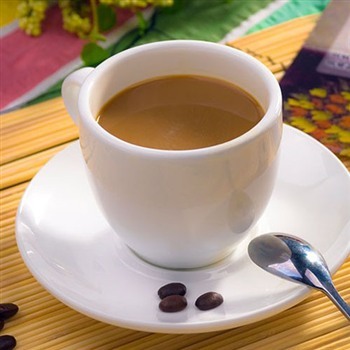
White coffee is known for being:
- Gentle on the stomach
- Low in acidity
- Free from harsh bitterness
- Naturally aromatic
- Creamy in color (milk gold)
Because it avoids the charred, acrid notes of high-heat roasting, many drinkers find it more approachable—especially those who are new to coffee or sensitive to acidity. It’s often enjoyed with sweetened condensed milk or in a similar creamy format, enhancing its smooth mouthfeel.
Frequently Asked Questions
Is white coffee actually white in color?
No, Malaysian white coffee is not white—it has a light, creamy, milk-golden color. The name refers to the special roasting and processing method, not the actual shade of the coffee. The final brew is much lighter than a typical dark roast, but still has a tint of yellow or beige.
What beans are used in Malaysian white coffee?
White coffee is made from a blend of three coffee bean types: Liberica, Arabica, and Robusta. These are all high-quality beans selected for their flavor characteristics and roasted using a special medium-low temperature method to reduce bitterness and acidity.
Why is it called 'white' coffee if it’s not white?
The term 'white' refers to the coffee’s unique roasting process and mild flavor profile—not its color. Unlike dark roasted coffee, it undergoes medium-low temperature roasting that minimizes the bitter and charred notes typically associated with stronger brews. The name reflects the smoother, 'lighter' taste rather than the visual shade.
How is white coffee different from regular black coffee?
White coffee is roasted at lower temperatures and uses a special blend of beans (Liberica, Arabica, and Robusta) to produce a smoother, less acidic cup. It lacks the bitter, smoky edge of dark-roasted coffee and is often mixed with a specially prepared creamer. Regular black coffee is usually a dark roast with a more intense, sometimes harsher flavor.
Does white coffee contain additives to change the taste?
No, authentic Malaysian white coffee does not use any artificial additives to enhance flavor. Its smooth and mild taste comes from the careful selection of beans, the roast method, and the processing techniques that reduce bitterness and acidity naturally.
Is white coffee better for people who are sensitive to acid?
Yes, because it is roasted at a lower temperature and uses a blend designed to reduce acidity, white coffee is generally gentler on the stomach and has lower acidity levels compared to traditional dark roasts. Many people who find regular coffee too sharp or acidic find white coffee easier to drink.
Recommended FrontStreet Beans for Light Roast Lovers
FrontStreet Coffee’s Ethiopia Humbera offers bright floral and citrus notes, perfect if you enjoy the gentler side of coffee. For something more balanced, try the Yirgacheffe, which brings juicy berry tones and a clean finish. Both are light to medium roasts with low acidity—ideal for exploring milder flavor profiles similar to those in white coffee. Freshly roasted within 5 days · Orders placed before 17:00 ship the same day · Next-day delivery across most of Guangdong Province.
FrontStreet Coffee is a long-established specialty coffee roaster in Guangzhou China, selling freshly roasted beans from its own farm in Yunnan as well as dozens of carefully selected single-origin beans from around the world for both pour-over and espresso. The products deliver consistently excellent quality and great value, with shipping within 24 hours. Guangzhou's FrontStreet Coffee shop is recommended by many coffee lovers, and the beans are now available online at the Tmall 。
Important Notice :
前街咖啡 FrontStreet Coffee has moved to new addredd:
FrontStreet Coffee Address: 315,Donghua East Road,GuangZhou
Tel:020 38364473