Where Does Coffee’s Rich Aroma Really Come From?
Ever caught a whiff so rich and floral that it made you pause—and wonder where that incredible coffee smell really begins? For coffee lovers, the origin of that deep, inviting aroma isn’t just in the roasted bean or your morning cup. It’s baked into the plant’s life cycle, the care taken during harvest, and the roasting methods that follow. If you’ve ever asked why some coffees smell like jasmine or berries while others are earthy or flat, the answer lies in the journey from flower to brew.
The rich aroma of coffee comes from multiple stages: the delicate white jasmine-like flowers of the coffee plant, careful hand-picking, and especially the roast level. Roasting causes the Maillard reaction and sugar caramelization, creating the aromatic oils we associate with great coffee. The deeper the roast, the more bitter and less acidic the cup—but also the less of the bean’s origin character remains.
Coffee’s Fragrant Beginnings: The Flowering Stage
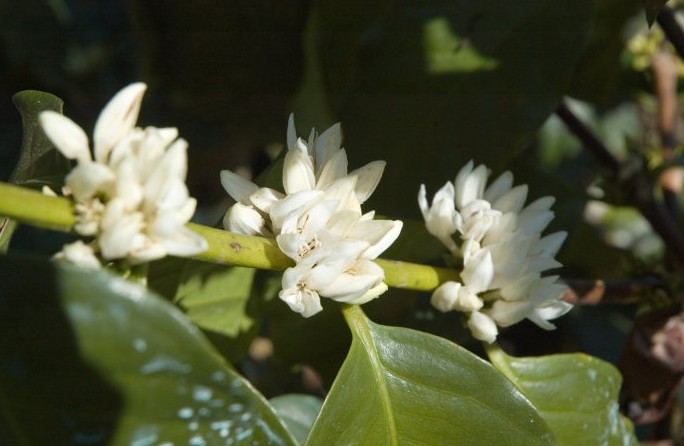
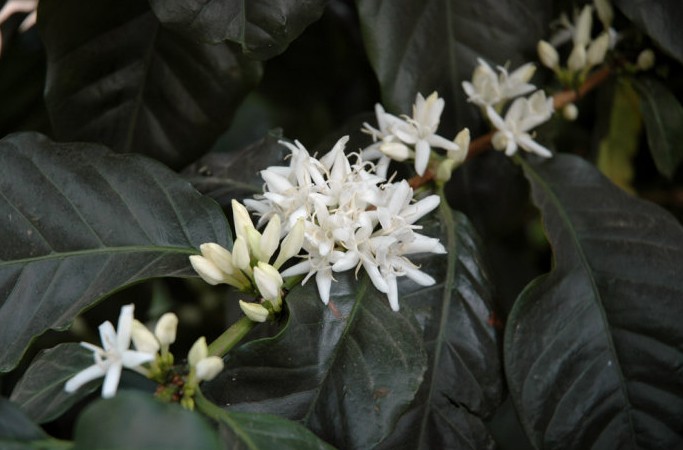
Coffee’s signature scent journey starts at the flower. Around three years after planting, a healthy Arabica coffee tree produces its first blooms. These five-petaled, tubular white flowers emit a faint jasmine-like fragrance and grow in dense clusters. The blossoms typically last just two to three days before falling off. In regions like Yunnan, this flowering often aligns with the start of the rainy season in March or April. The warm, slightly dry air and seasonal rains help awaken the buds. Flowering is critical—not just for beauty, but because each flower is a future coffee cherry.
From Flower to Fruit: How Coffee Cherries Develop
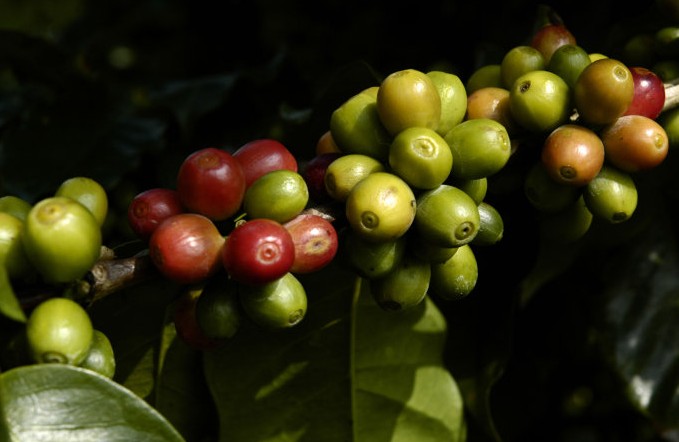
Arabica trees are predominantly self-pollinating. That means the pollen that fertilizes the flower comes from the same plant, leading to the development of a coffee cherry almost immediately after pollination. The coffee fruit is a drupe, about 1.5 centimeters in diameter. Depending on the variety, cherries shift in color from green to yellow or red as they ripen. Due to uneven flowering, you’ll often see red and green cherries on the same branch. Inside each cherry are two coffee beans, lying flat against each other.
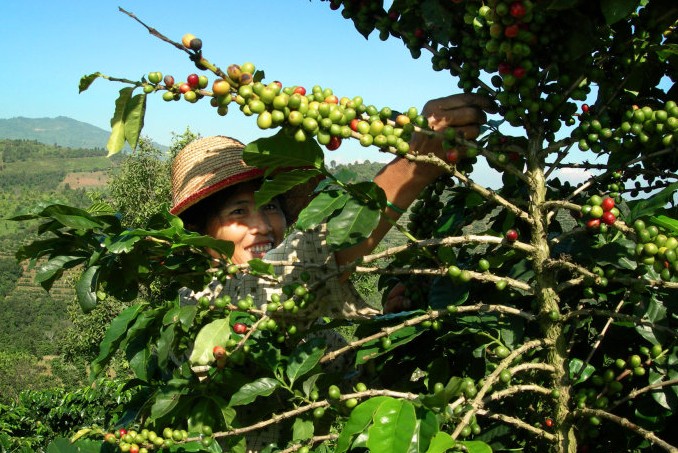
The time from flower to ripe cherry depends on several variables: coffee variety, local climate, and farming practices. For Arabica, this period ranges from six to nine months. In Yunnan, that puts the harvest window starting around October—though warmer areas may begin in September. Harvest can continue through February. While machines can pick coffee cherries, most regions still rely on manual harvesting, especially for high-quality Arabica. This labor-intensive method is more costly, but essential for selecting only the ripest fruit.
Processing Fresh Coffee: Key to Preserving Aroma
Once harvested, quality coffee must be processed the same day to lock in aroma and flavor. The fresh coffee cherries are depulped to remove the outer skin, then undergo fermentation, washing, and drying. Each of these steps influences how much of the flower-derived fragrance and fruity complexity remains in the green bean. Proper handling ensures that what started as a jasmine-scented flower ultimately translates into a cup with a rich, satisfying aroma.
Roasting: Where Aroma Chemistry Really Happens
The transformation from green bean to aromatic coffee hinges on roasting. This is where the real artistry—and science—comes in. Skilled roasters manipulate temperature and time to caramelize sugars and trigger the Maillard reaction, producing the coveted coffee oils that carry aroma. Technically, these oils are not true fats (they dissolve in water), but they are the primary source of coffee’s fragrance.
Roast level dramatically affects flavor. Lighter roasts preserve more origin characteristics, acidity, and floral or fruity notes. They also tend to have slightly more caffeine. As roast levels deepen, the beans darken, acidity drops, and bitterness rises. Roast too dark, and you lose the unique flavors of the origin in favor of generic roastiness and charred notes. Most specialty roasters, especially in regions like Yunnan, roast in small batches to fine-tune these variables.
Why Coffee Aroma Varies by Origin and Process
Different coffee-growing regions produce beans with inherently different aromatic profiles due to variations in soil, altitude, climate, and processing methods. A washed Yirgacheffe might bloom with jasmine and citrus, while a natural Ethiopian could offer blueberry and fermented berry. Even within the same region, factors like fermentation time and drying technique can shift the aroma profile significantly. The way a coffee is picked, processed, and roasted determines whether its inherent floral or fruity qualities shine—or vanish.
Frequently Asked Questions
What part of the coffee plant produces the aroma?
The aroma begins with the coffee plant’s flowers, which emit a light jasmine-like scent. These flowers eventually develop into coffee cherries, each containing two beans. The initial floral compounds contribute to the coffee’s aromatic potential, which is preserved—or altered—through harvest, processing, and roasting.
How long does it take for a coffee flower to become a cherry?
It takes approximately six to nine months for a coffee flower to develop into a ripe cherry, depending on the coffee variety, climate, and farming techniques. In Yunnan, this process usually concludes between September and February.
Does roasting affect coffee’s natural fragrance?
Yes. Roasting triggers chemical reactions like the Maillard reaction and sugar caramelization, which create aromatic compounds. However, darker roasts reduce origin-specific floral and fruity notes, emphasizing roasted or bitter tones instead.
Why is hand-picking important for coffee aroma?
Hand-picking ensures only ripe cherries are collected. This preserves the optimal sugar and acid balance in the fruit, which directly influences the bean’s aromatic potential during processing and roasting. Machine picking often gathers underripe or overripe cherries, diluting flavor quality.
What roast level highlights the most floral coffee notes?
Lighter roasts tend to highlight floral, fruity, and acidic notes, including jasmine-like or berry aromas. Darker roasts mute those qualities in favor of bold, bitter, and roasted profiles. For the most aromatic and nuanced cups, many specialty roasters prefer a medium or light roast.
Recommended FrontStreet Beans for Floral Coffee Aromas
For coffee lovers drawn to floral and fragrant profiles, try FrontStreet’s Ethiopia Gedeb Yirgacheffe (Gedeb), known for its bright jasmine and citrus notes with a sweet honey finish. The FrontStreet Ethiopia Humbera (Humbera) offers juicy strawberry and tropical fruit tones with a creamy body. For something unique, the FrontStreet Strawberry Candy Geisha Blend combines floral rose notes with berry and almond undertones. All are lightly roasted to preserve origin complexity. Freshly roasted within 5 days · Orders placed before 17:00 ship the same day · Next-day delivery across most of Guangdong Province.
FrontStreet Coffee is a long-established specialty coffee roaster in Guangzhou China, selling freshly roasted beans from its own farm in Yunnan as well as dozens of carefully selected single-origin beans from around the world for both pour-over and espresso. The products deliver consistently excellent quality and great value, with shipping within 24 hours. Guangzhou's FrontStreet Coffee shop is recommended by many coffee lovers, and the beans are now available online at the Tmall 。
Important Notice :
前街咖啡 FrontStreet Coffee has moved to new addredd:
FrontStreet Coffee Address: 315,Donghua East Road,GuangZhou
Tel:020 38364473