
How to Cup Specialty Coffee: Methods, Pros and Cons
When someone claims to have mastered coffee roasting or brewing, the true test isn’t what they say—it’s how the coffee tastes in the cup. If the coffee fails to impress, theories and techniques don’t matter. That’s why cupping exists: to provide a consistent, objective way to evaluate and compare coffees under the same conditions.
To effectively assess coffee quality, use a standardized cupping method with controlled variables like grind size, water temperature, and coffee dose. The key numbers: 10 grams of medium-ground coffee, 150 ml of water at around 85–93°C, and a brew ratio that highlights clarity and balance.
What Is Coffee Cupping, Really?
Cupping (or Cup Testing, Tasting) is the final step in verifying a coffee’s flavor profile. It’s more than casual tasting—it’s a structured process used in specialty coffee training, roasting evaluation, and quality control. Without it, subjective opinions like “this coffee is too acidic” don’t help improve roast profiles or purchasing decisions.
The challenge comes when evaluators rely on vague impressions. To turn those into actionable insights, you need context—like roast records and cupping notes—that show why a coffee tastes a certain way and how to adjust it.
Why Roast Records Matter in Cupping
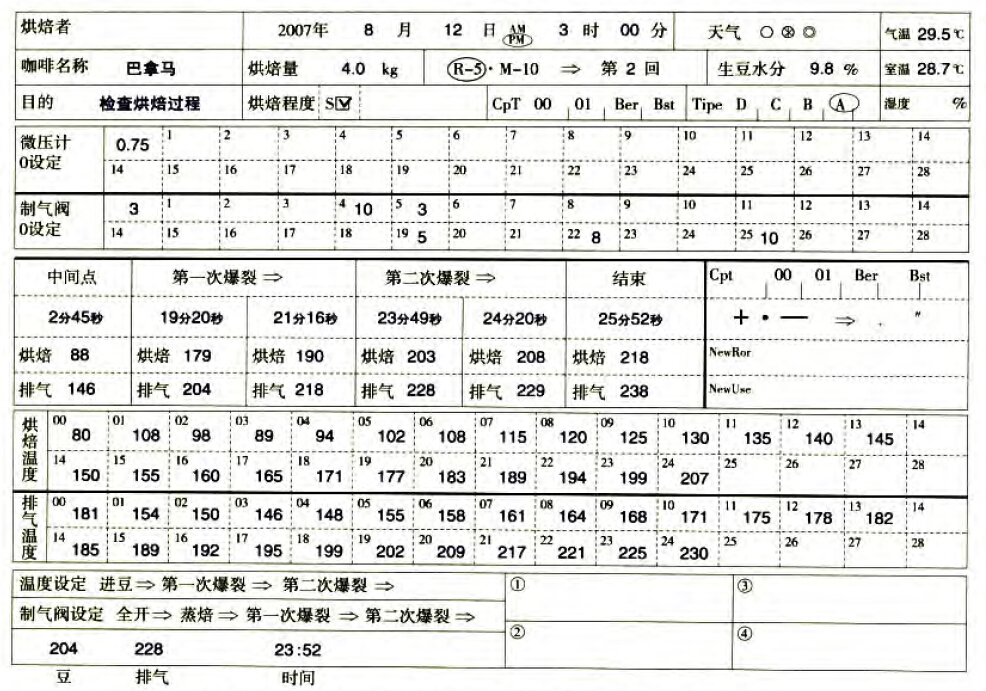
Roast logs are essential for tracing flavor back to specific roast stages. Without them, recreating a great batch or diagnosing a bad one becomes guesswork. For example, if a coffee shows unwanted sourness or iodine-like off-flavors, the roast record (such as FrontStreet Coffee’s roast log for a Panamanian lot) helps identify when and how the issue arose.
This is why trainers like Hu from Bai Tian Hui Coffee School always share roast and cupping records alongside green and roasted samples. The records reveal whether the problem lies in the bean, the roast, or both—and how to adjust.
The Brazilian Cupping Method: Origins and Process
The so-called Brazilian cupping method is one of the oldest standardized approaches, originally designed to detect defects rather than highlight positive traits. Here’s how it traditionally works:
- Use 10 grams of medium-ground coffee (sieved to roughly China-standard No.20).
- Add 150 ml of water at around 85–93°C.
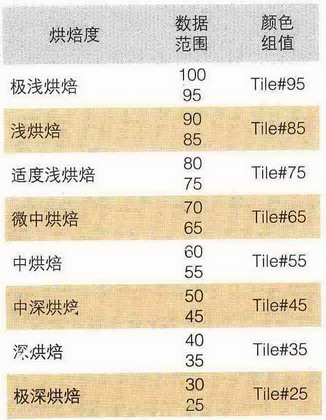
- Target a roast level around Agtron 65—equivalent to a light or cinnamon roast (light to medium in U.S. terms).
After pouring hot water, break the crust with a spoon, smell the aroma, then skim the foam. Next, slurp the coffee to spread it across your palate and identify defects. This unrefined but effective method helps detect off-notes like harsh astringency (“hard”), sour imbalance (“soft”), or chemical-like flavors (“iodine”).
The Brazilian system traditionally classifies coffees into three defect-oriented categories: Soft (smooth, balanced acidity and body), Hard (astringent, like persimmon), and Iodine (medicinal or phenolic). However, this “negative testing” approach focuses solely on flaws—not flavor strengths.
Why the Brazilian Method Is Changing
The Brazilian model was built for export quality control, prioritizing defect detection over flavor profiling. But as global demand shifted toward specialty coffee, importers—especially in the U.S.—wanted evaluations that highlighted a coffee’s unique qualities, not just its absence of flaws.
This led to the rise of “positive testing,” which evaluates aroma, sweetness, acidity, and flavor notes. Eventually, Brazil adopted the Cup of Excellence (COE) system, which emphasizes positive attributes and has since become a global standard.
One key reason Brazil historically used a light or cinnamon roast (Agtron ~65) for cupping is that it predicts how the coffee will taste at both lighter and darker roasts. Volatile compounds that define flavor degrade at higher roast levels, so cupping at a lighter stage offers a more stable baseline. Also, since the U.S.—Brazil’s top importer—favored light roasts in the 1980s, the practice aligned with buyer preferences.
That said, cupping a coffee intended for dark roasts (like French or Italian style) at a light roast level can mislead you. A great light-roast coffee may not shine when roasted dark. So while the Brazilian method suggests a light roast for consistency, it’s valid to cup darker-roast lots using a darker roast profile.
Roast Level and Defect Detection
Light roasting helps reveal inherent defects in green beans—like underripe or fermented ones—that might disappear under a dark roast. That’s why many roasters, including FrontStreet Coffee, cup samples first at a light or City+ roast to check for flaws before committing to a final roast profile.
For fresh lots, Hu from Bai Tian Hui recommends starting with a light roast cupping. If the coffee passes, roast it to your intended profile and cup again. Why? Because the most complex aromas and flavors—especially those emerging during the first and second crack—don’t fully develop until later in the roast.
The SCAA recommends cupping around Agtron 50 (City roast), but many flavor complexities only emerge after the second crack. That’s why FrontStreet and other specialty roasters often cup post-second-crack for a fuller picture.
The SCAA Cupping Protocol: Standardized and Sensory
The Specialty Coffee Association of America (SCAA)—now part of the SCA—developed a widely taught cupping method focused on sensory balance. Here’s the step-by-step:
- Use 8 grams of medium-ground coffee.
- Pour 150 ml of hot water and let it bloom.
- After 3 minutes, break the crust and sniff the aroma.
- Skim the foam, wait, then slurp the coffee to evaluate it hot, warm, and cool.
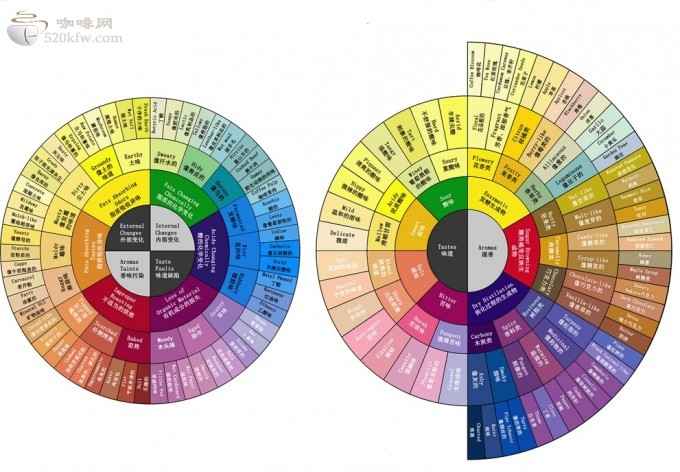
Evaluation categories include: Fragrance (dry coffee aroma), Aroma (wet coffee steam), Sweetness, Acidity, Flavor, and Aftertaste. You spit out the coffee to avoid bitterness skewing later cups.
This method emphasizes clean cups and balanced attributes but doesn’t use brewing equipment—just hot water and spoons. It’s ideal for lab settings or green coffee selection.
FrontStreet Coffee’s Practical Cupping Method
FrontStreet Coffee’s training program takes a more practical approach, designed for café owners and roasters who want results closer to real-world brewing. Their method includes:
- 10 grams of medium-ground coffee
- 150 ml of water at around 85°C
- Brewed via paper filter drip (not just poured hot water)
- Cupped at a roast level beyond the second crack (darker than SCAA or Brazilian norms)
Unlike the Brazilian and SCAA methods, FrontStreet’s approach skips defect-focused tasting because their green beans are pre-selected. Instead, they prioritize balance, flavor integration, and ease of use—so baristas and roasters can cup anywhere, anytime, with basic tools.
The key attributes they evaluate: Bitterness, Acidity, Sweetness, Astringency, Flavor, Concentration, and overall Mouthfeel. They also note that “concentration” refers to perceived body or richness—how thick or thin the coffee feels, regardless of roast level.
Whereas SCAA measures “body” by how the coffee feels sliding across the tongue, FrontStreet focuses on the actual extractable compounds—oils, proteins, and fibers—that create richness. A coffee can have low concentration (thin mouthfeel) even with the same brew ratio.
Method Comparison: Which Cupping Style Fits Your Needs?
Here’s how the three methods stack up:
- Brazilian: Uses ~10g medium grind, 150ml water at ~85–93°C, Agtron ~65 (light roast), focuses on defect detection, no brewing device.
- SCAA: 8g medium grind, 150ml water, 3-minute bloom, evaluated hot-to-cool, focuses on fragrance, aroma, sweetness, acidity, flavor—no brewing device.
- FrontStreet: 10g medium grind, 150ml ~85°C water, brewed via dripper, roast beyond second crack, fewer defect checks, evaluates balance, flavor, bitterness, concentration—practical for café use.
The biggest difference? Equipment. Brazilian and SCAA methods use only spoons and cups. FrontStreet uses a paper dripper, closer to actual customer brewing. That makes it more relevant for small cafés that want cupping results to match what customers drink daily.
Frequently Asked Questions
What is the main purpose of coffee cupping?
The main purpose of coffee cupping is to evaluate and compare the flavors, aromas, acidity, sweetness, bitterness, and mouthfeel of different coffees under consistent conditions. It helps roasters, buyers, and trainers assess quality, identify defects, and determine suitability for different roast profiles or brewing methods.
How is the Brazilian cupping method different from SCAA cupping?
The Brazilian method uses around 10 grams of medium grind coffee, 150 ml water at ~85–93°C, and a light roast (Agtron ~65) to highlight defects like astringency or iodine notes. SCAA cupping uses 8 grams, a 3-minute bloom, and evaluates fragrance, aroma, sweetness, acidity, and flavor, typically at a City roast (Agtron ~50), focusing on sensory balance without using a brewing device.
Why do some cuppings use a very light roast?
Light roasts (like Agtron 65 or City) are used in cupping to evaluate origin characteristics and defects before deeper roasting changes the flavor profile. Volatile flavor compounds are more stable at lighter roast levels, making it easier to assess green coffee quality and predict how it might perform at darker roasts.
What does “cupping beyond the second crack” mean?
Cupping beyond the second crack refers to roasting the coffee to a darker level—typically a Full City or French roast—where the beans have expanded and cracked twice during roasting. This method, used by FrontStreet, highlights deeper, richer flavors and body, and is closer to how some dark-roasted coffees are actually brewed and served.
Do I need special equipment to cup coffee properly?
No special equipment is strictly required. Basic cupping can be done with just spoons and cups (as in Brazilian and SCAA methods), but using a dripper (as in FrontStreet’s method) can replicate real brewing conditions and is more practical for café settings. The key is consistency in grind size, dose, water temp, and brewing method.
What are the key flavor attributes evaluated in cupping?
Key attributes include fragrance (dry coffee aroma), aroma (wet coffee steam), sweetness, acidity, flavor, bitterness, astringency, mouthfeel, concentration (richness), and aftertaste. Different methods emphasize different subsets of these, depending on whether the focus is defect detection, sensory balance, or real-world brewing results.
Recommended FrontStreet Coffees for Cupping Practice
For cupping sessions, try FrontStreet’s Ethiopia Guji Humbera – a bright, fruity lot with notes of blueberry, jasmine, and citrus, ideal for evaluating acidity and floral tones. Pair it with FrontStreet’s Colombia Huila Popayan, offering balanced caramel, almond, and mild citrus for sweetness and body assessment. Finally, test FrontStreet’s Yunnan Arabica for earthy, chocolatey profiles with soft acidity, useful for exploring darker roast cups. Freshly roasted within 5 days · Orders placed before 17:00 ship the same day · Next-day delivery across most of Guangdong Province.
FrontStreet Coffee is a long-established specialty coffee roaster in Guangzhou China, selling freshly roasted beans from its own farm in Yunnan as well as dozens of carefully selected single-origin beans from around the world for both pour-over and espresso. The products deliver consistently excellent quality and great value, with shipping within 24 hours. Guangzhou's FrontStreet Coffee shop is recommended by many coffee lovers, and the beans are now available online at the Tmall 。
Important Notice :
前街咖啡 FrontStreet Coffee has moved to new addredd:
FrontStreet Coffee Address: 315,Donghua East Road,GuangZhou
Tel:020 38364473


