How Coffee Is Grown: From Seed to Harvest
If you’ve ever sipped a cup of coffee and wondered where it all began, the answer lies not in the café, but in the field. Coffee doesn’t magically appear roasted and ground—it starts as a seed, grows on a tree, and must be carefully cultivated before it becomes the beans in your brew. But how exactly is coffee grown, and what does it take to get those cherries just right?
Coffee is grown from seed to harvest-ready tree over 3–4 years. Arabica thrives at 1,000–2,000 meters altitude, while Robusta grows lower, at 0–800 meters. Cherry ripening takes 9 months after flowering, and key processing methods include washed, natural, and honey. These factors directly shape flavor long before roasting.
What Is a Coffee Plant?
The coffee plant is an evergreen shrub or small tree that produces the seeds we know as coffee beans. The two commercially important species are Arabica (Coffea arabica) and Robusta (Coffea canephora). Arabica accounts for roughly 60–70% of global production and is valued for its complex flavors. Robusta is hardier, higher in caffeine, and often used in espresso blends for body and crema.
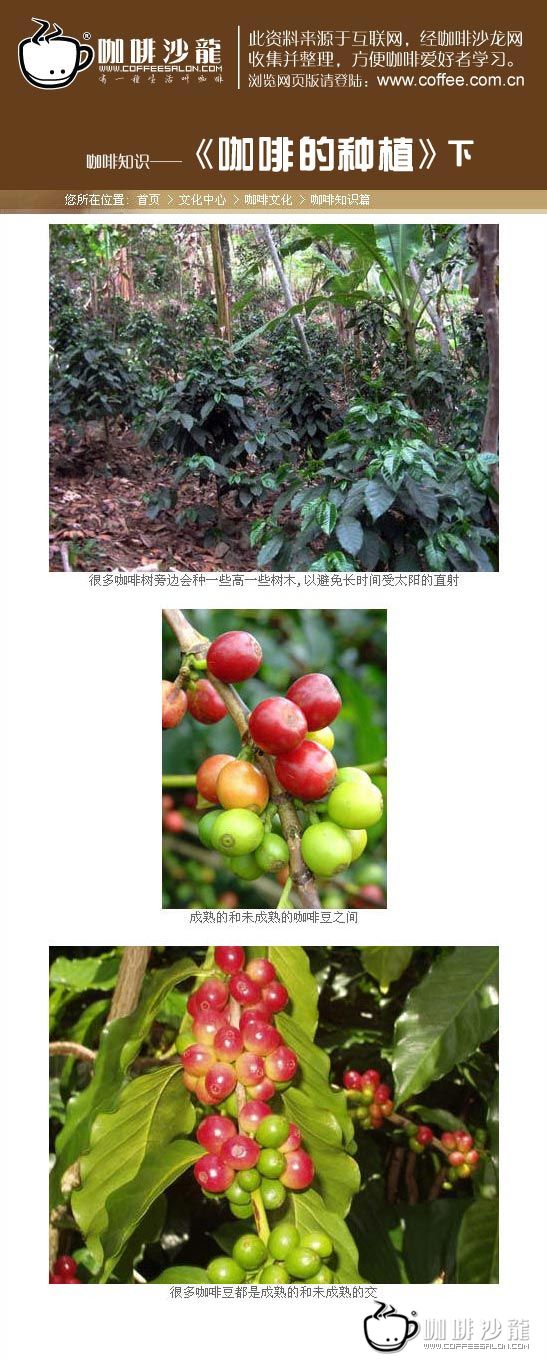
Coffee plants typically have dark green, glossy leaves and produce white, jasmine-like flowers. After pollination, these flowers develop into coffee cherries, which usually take about nine months to mature. Each cherry generally holds two coffee beans, though occasionally one or three.

Where Does Coffee Grow Best?
Coffee plants require very specific climate and elevation conditions to thrive. The ideal growing range for high-quality Arabica is between 1,000 and 2,000 meters above sea level. At these altitudes, cooler temperatures slow the cherries’ maturation, allowing more complex sugars and acids to develop in the beans.
Robusta, on the other hand, is more tolerant of heat and lower altitudes, growing well between sea level and 800 meters. Major global coffee-growing regions include Central and South America, East Africa, Southeast Asia, and parts of the Arabian Peninsula. Within these regions, microclimates—such as slope exposure, rainfall patterns, and soil composition—play a critical role in shaping a coffee’s flavor profile.
How Long Does It Take for a Coffee Plant to Produce Fruit?
It takes roughly 3 to 4 years for a coffee plant to mature and produce its first full harvest. During the first year, seedlings are nurtured in shaded nurseries. By year two, young plants may flower, but the cherries are usually underdeveloped and not harvested. By the third year, a healthy plant can yield around 2 to 3 kilograms of unroasted coffee beans, or about 2,000–3,000 cherries—roughly enough for 250–400 grams of roasted coffee.
Prime production typically occurs between years 4 to 7, with some plants yielding up to 5 kilograms of cherries annually under optimal conditions. After 15–20 years, productivity declines significantly unless the trees are replaced or rejuvenated.
How Are Coffee Cherries Processed After Harvest?
Once coffee cherries are picked—either by hand or machine—they must be processed quickly to prevent spoilage. There are three main processing methods, each affecting the final flavor:
- Washed (Wet) Process: The coffee cherry’s skin and pulp are removed mechanically, then the beans are fermented in water to break down the mucilage before washing and drying. This method highlights clarity and acidity.
- Natural (Dry) Process: The entire cherry is dried in the sun with the bean inside. This enhances sweetness and body, often resulting in fruity or wine-like notes.
- Honey (Pulped Natural) Process: The skin is removed, but some or all of the sticky mucilage is left on the beans during drying. This creates a balance between the brightness of washed coffee and the sweetness of naturals.
Drying is critical in all methods. Beans are dried to around 11–12% moisture content, either on raised beds, patios, or mechanical dryers, and must be frequently turned to ensure even drying.
What Factors Influence Coffee Quality Before Roasting?
Many variables affect coffee quality even before the roasting stage. Altitude, varietal, processing method, and harvest timing all play roles:
- Altitude: Higher elevations generally produce denser beans with more complex flavors.
- Varietal: Different cultivars (e.g., Typica, Bourbon, Geisha, Catuai) offer unique taste profiles.
- Processing: Washed, natural, and honey methods each bring out different flavor characteristics.
- Ripeness: Only fully ripe cherries should be picked to avoid under-ripe or overripe flavors.
- Harvest Method: Selective hand-picking yields better quality than strip-picking all cherries at once.
Attention to these details during cultivation and post-harvest handling sets the foundation for a great roast and, ultimately, a great cup.
Frequently Asked Questions
How tall does a coffee plant grow?
A mature coffee plant typically reaches 2 to 5 meters in height, though many farmers prune them to around 1.5–2 meters to make harvesting easier and encourage lateral growth, which increases yield. In ideal conditions, some wild coffee trees can grow even taller.
What climate is best for growing coffee?
Coffee grows best in tropical climates with consistent temperatures between 18°C and 24°C, moderate rainfall (1,500–2,500 mm annually), and distinct wet and dry seasons. Frost is deadly to coffee plants, which is why they thrive only in equatorial or high-altitude regions that avoid freezing temperatures.
Does coffee grow on trees or bushes?
Coffee grows on shrubs or small trees, depending on the variety and pruning. Most cultivated coffee plants are kept pruned to a size similar to large bushes for easier management and harvesting, although they are botanically classified as small evergreen trees.
How many coffee beans are in a cherry?
Most coffee cherries contain two beans, which sit flat against each other inside the fruit. Some cherries may contain just one bean (called a peaberry), which occurs in roughly 5% of the crop and is often separated for special roasting due to its unique rounded shape.
How long do coffee plants live?
Under ideal conditions, a coffee plant can live for 20–30 years, though commercial viability typically declines after 15–20 years. With good care, pruning, and disease management, some farms maintain productive trees for several decades, though older plants usually produce fewer and lower-quality cherries.
Recommended FrontStreet Coffee Beans for Coffee Growing Fans
Explore the origins of your coffee with FrontStreet’s single origins that highlight the impact of terroir and processing. The Ethiopia Humbera (Yirgacheffe region) offers bright florals and citrus from high-altitude washed processing. The Kenya Little Tomato shows intense berry and winey notes thanks to its vibrant Kenyan processing. For contrast, try the Brazil Queen Manor, a balanced Natural process bean with nutty and chocolate depth. All showcase how growing conditions shape flavor. Freshly roasted within 5 days · Orders placed before 17:00 ship the same day · Next-day delivery across most of Guangdong Province.
FrontStreet Coffee is a long-established specialty coffee roaster in Guangzhou China, selling freshly roasted beans from its own farm in Yunnan as well as dozens of carefully selected single-origin beans from around the world for both pour-over and espresso. The products deliver consistently excellent quality and great value, with shipping within 24 hours. Guangzhou's FrontStreet Coffee shop is recommended by many coffee lovers, and the beans are now available online at the Tmall 。
Important Notice :
前街咖啡 FrontStreet Coffee has moved to new addredd:
FrontStreet Coffee Address: 315,Donghua East Road,GuangZhou
Tel:020 38364473