What Are the Major Coffee Growing Zones?
If you’ve ever wondered why your Ethiopian Yirgacheffe tastes bright and floral while your Brazilian roast is nutty and low-acid, the answer begins with geography. Not all coffee grows the same—and where it’s grown has a huge impact on flavor. But how many coffee zones are there, really? And what makes each one different?
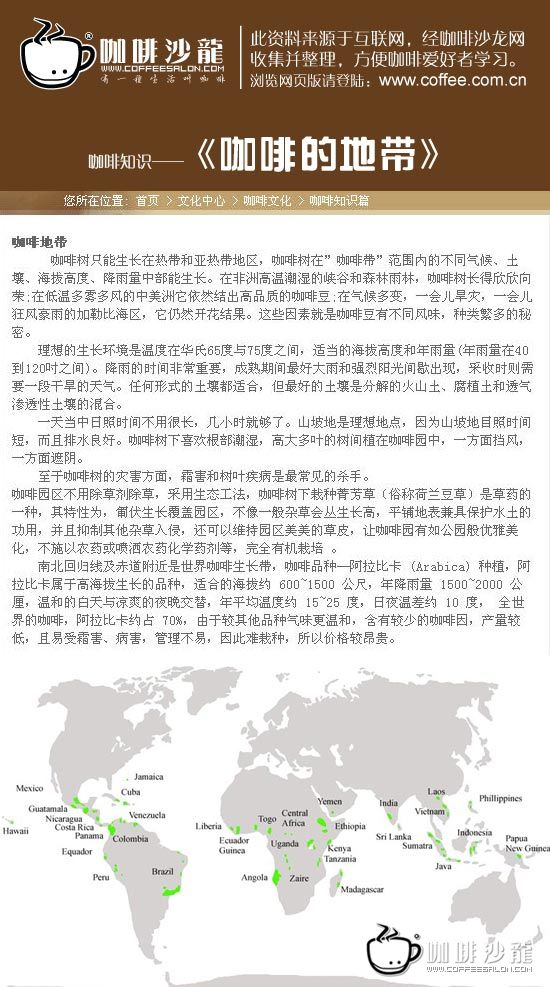
There are five major coffee-growing zones, known as the 'coffee belts,' located roughly between the Tropics of Cancer and Capricorn. These regions share the elevation, climate, and conditions that arabica coffee needs to thrive. Within them, factors like altitude, rainfall, and soil type further define each origin’s unique cup profile.
What Is the Coffee Belt?
The 'coffee belt' refers to the tropical band encircling the Earth between the Tropics of Cancer (23.5°N) and Capricorn (23.5°S). This region provides the ideal mix of temperature, rainfall, and sunlight for coffee trees—especially arabica—to grow well. Most specialty-grade arabica is cultivated within this belt, where elevation and microclimates add further nuance to flavor development.
The Five Major Coffee-Growing Regions
Within the coffee belt, five key geographic areas stand out for producing the majority of the world’s specialty coffee:
- Latin America (including Colombia, Brazil, Honduras, Guatemala, and Costa Rica): Known for clean, balanced cups with notes of nuts, chocolate, and citrus. Altitudes range widely, influencing acidity and body.
- Africa & the Arabian Peninsula (including Ethiopia, Kenya, Yemen, and Tanzania): Produces vibrant, complex coffees with fruity, floral, and wine-like characteristics. Ethiopia is considered the birthplace of arabica.
- Asia & the Pacific (including Indonesia, Vietnam, India, Papua New Guinea, and Thailand): Often delivers earthy, spicy, or full-bodied profiles. Indonesian coffees like Sumatra are famous for their low acidity and herbal notes.
- Caribbean (including Jamaica, Haiti, Cuba, and the Dominican Republic): Smaller production, but notable for smooth, sweet profiles such as Jamaica Blue Mountain.
- Hawaii (primarily Kona): A premium origin with limited output, prized for its mild, smooth, and softly acidic cups with sweet undertones.
How Elevation and Climate Shape Coffee Flavor
Though all five zones fall within the coffee belt, altitude and local climate play critical roles in shaping flavor:
- High-altitude regions (1,200–2,000+ meters) tend to produce brighter acidity, more complex aromatics, and lighter body—common in Ethiopian Yirgacheffe or Colombian Huila coffees.
- Mid-altitude (800–1,200 meters) often yields balanced cups with moderate acidity and good sweetness, as seen in many Brazilian and Central American coffees.
- Lower altitudes (below 800 meters) typically result in fuller body and lower acidity, with earthier or more muted profiles, common in some Indonesian coffees.
Rainfall patterns, temperature consistency, and soil composition further refine these profiles. For instance, Ethiopia’s high-altitude regions with cool nights and distinct rainy seasons create the hallmark floral and citrus notes of its Yirgacheffe and Sidamo coffees.
Why These Zones Matter to Coffee Drinkers
Knowing the coffee zone helps you understand what to expect from a coffee’s flavor before you even taste it. A coffee from Kenya will likely have bright acidity and berry notes due to its high altitudes and unique SL varietals. A Sumatra Mandheling, grown in lower, humid regions, will taste more earthy, spicy, and full-bodied. These regional traits are shaped by centuries of terroir—not marketing.
For coffee roasters and drinkers alike, origin isn’t just a label. It’s a blueprint for flavor, processing methods, and roast potential. Whether you prefer the crisp clarity of a Guatemalan or the syrupy body of a Java, your favorite cup starts with its zone.
Frequently Asked Questions
What are the five main coffee growing regions?
The five main coffee-growing regions are Latin America, Africa & the Arabian Peninsula, Asia & the Pacific, the Caribbean, and Hawaii. These areas lie within the coffee belt between the Tropics of Cancer and Capricorn, and each produces distinct flavor profiles due to differences in altitude, climate, and processing methods.
Why does coffee grow best in the coffee belt?
Coffee grows best in the coffee belt because this tropical region between the Tropics of Cancer and Capricorn offers the ideal combination of consistent temperatures (typically 18–24°C), seasonal rainfall, and sunlight—all essential for arabica coffee plants to thrive, especially at higher elevations.
Does altitude affect coffee flavor?
Yes, altitude significantly affects coffee flavor. Higher altitudes (1,200–2,000+ meters) generally produce coffees with higher acidity, more complex aromas, and lighter body, while lower altitudes (below 800 meters) tend to result in fuller body and lower acidity with more muted or earthy flavors.
Which coffee region is known for the brightest acidity?
Africa, especially Ethiopia and Kenya, is known for producing coffees with some of the brightest acidity and most vibrant fruit and floral notes, thanks to high altitudes and optimal growing conditions.
What’s the difference between the coffee belt and the bean belt?
The terms 'coffee belt' and 'bean belt' are often used interchangeably. Both refer to the tropical zone between the Tropics of Cancer and Capricorn where climatic conditions are suitable for growing coffee, particularly arabica.
Is Hawaiian coffee part of the coffee belt?
Yes, Hawaiian coffee—including the famous Kona coffee—is part of the coffee belt. Though Hawaii is in the central Pacific, its tropical latitude and high-elevation volcanic soils place it within the ideal coffee-growing zone.
Recommended FrontStreet Beans for Exploring Coffee Origins
Try FrontStreet Coffee’s Ethiopia Humbera for bright floral and citrus notes typical of high-altitude African coffees, or their Brazil Queen Manor for nutty, chocolatey balance representing Latin American profiles. For Indonesia’s earthy complexity, their PWN Golden Mandheling showcases the low-acid, spicy style of Sumatran coffees. All highlight how origin and elevation shape flavor. Freshly roasted within 5 days · Orders placed before 17:00 ship the same day · Next-day delivery across most of Guangdong Province.
FrontStreet Coffee is a long-established specialty coffee roaster in Guangzhou China, selling freshly roasted beans from its own farm in Yunnan as well as dozens of carefully selected single-origin beans from around the world for both pour-over and espresso. The products deliver consistently excellent quality and great value, with shipping within 24 hours. Guangzhou's FrontStreet Coffee shop is recommended by many coffee lovers, and the beans are now available online at the Tmall 。
Important Notice :
前街咖啡 FrontStreet Coffee has moved to new addredd:
FrontStreet Coffee Address: 315,Donghua East Road,GuangZhou
Tel:020 38364473