Washed, Natural, and Honey Coffee Processing Methods Explained
Ever wonder why some coffees taste bright and clean while others are syrupy and fruity? The secret isn’t just the bean—it’s how it’s processed after harvest. The way coffee cherries are turned into green beans dramatically shapes their final flavor, body, and acidity. Whether you prefer a juicy Ethiopian or a crisp Colombian, understanding these methods helps you choose beans that match your taste.
There are three main coffee processing methods: washed (removes pulp and mucilage early), natural (dries whole cherries in the sun), and honey (removes skin but leaves some mucilage). Washed coffees tend to be brighter and more acidic, naturals develop deeper sweetness and fruitiness, and honeys balance the two with a sticky, syrupy profile. Each method alters sugar levels, acid retention, and fermentation chemistry in unique ways.
What Is the Washed Coffee Process?
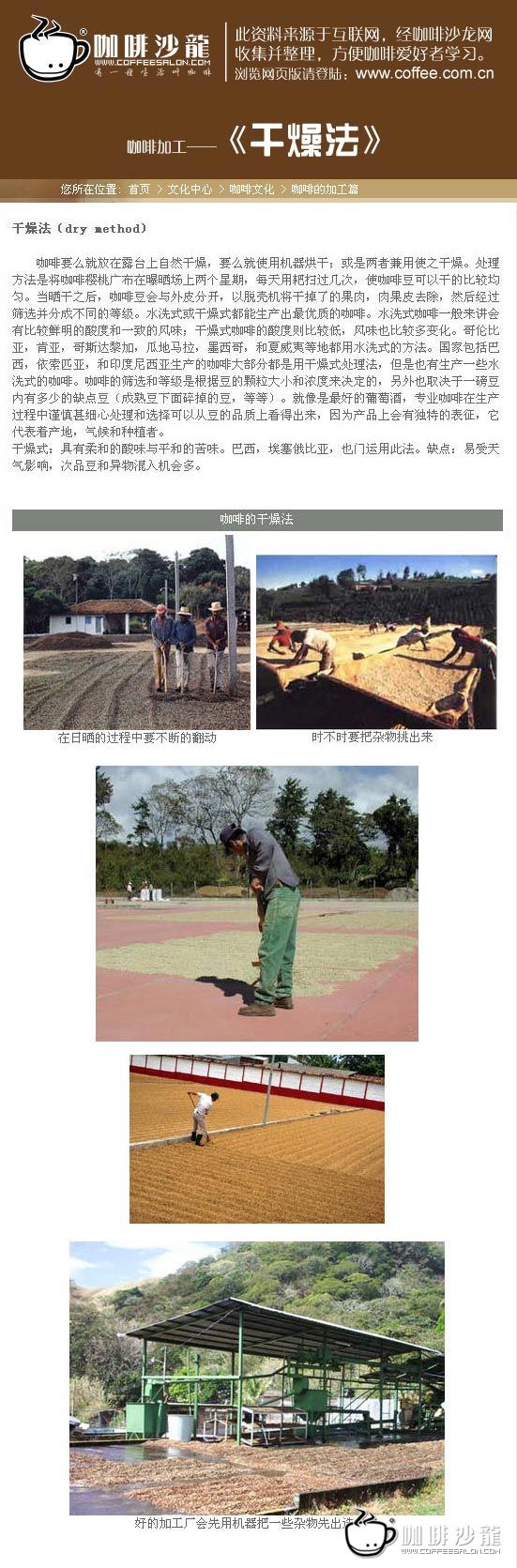
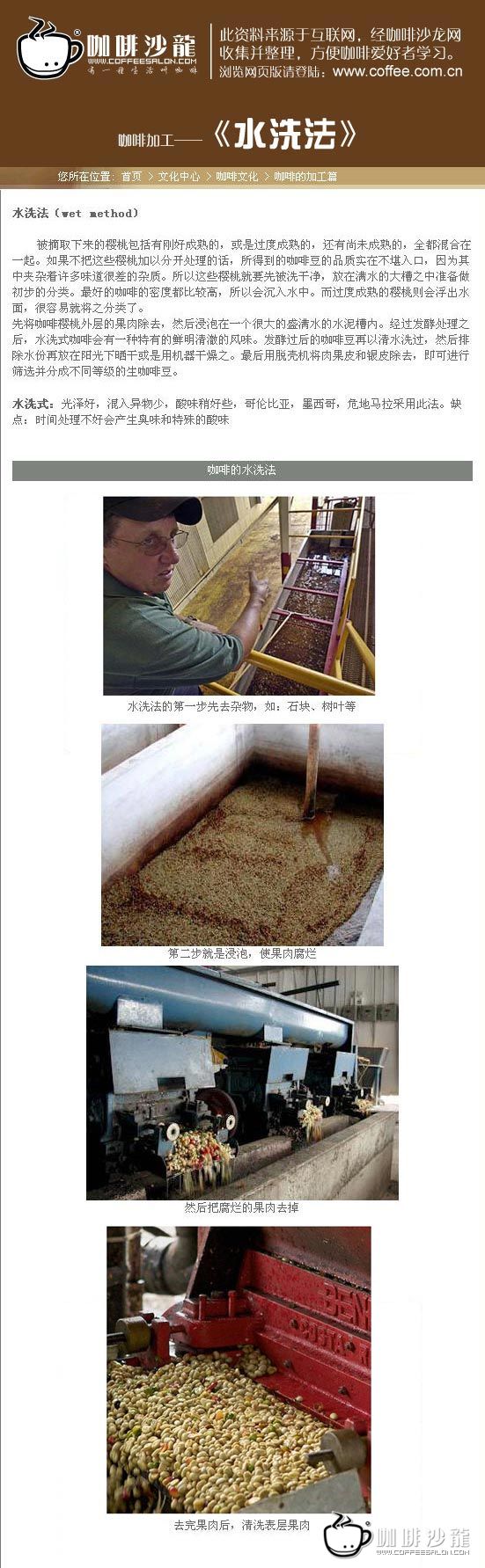
The washed process, also called wet processing, is a traditional method that uses water to remove the coffee cherry’s outer layers before drying. The steps include: floating to sort ripe cherries, removing the skin and pulp, fermenting to break down the mucilage, washing away residue, and finally drying the beans. This method causes chemical changes inside the bean, reducing simple sugars (fructose and glucose) and increasing organic acids. The result is a coffee with higher clarity, vibrant acidity, and more pronounced floral or fruity notes from the bean itself rather than the fruit.
Why Does Washed Coffee Taste Brighter and More Acidic?
Washed coffees often taste brighter and more acidic because the fermentation and washing steps remove much of the sugary fruit pulp early. This reduces the bean’s sugar content and allows organic acids—like citric, malic, and phosphoric—to dominate the flavor profile. The extended soaking and rinsing also lead to chemical changes that emphasize the coffee’s inherent aromas, resulting in a cleaner, more transparent cup. The process is especially effective in regions with limited sunlight or high humidity, where quick drying is essential to avoid mold.
Examples of Washed Coffee from Around the World
Different origins use the washed process to highlight unique flavor profiles. Here are three standout examples:
FrontStreet Coffee’s Yirgacheffe Gedeb Cooperative
This Ethiopian lot from the Gedeb village is processed by a skilled cooperative known for its meticulous washing technique. The washed method brings out intense jasmine floral notes and a vivid citrus acidity. After a medium-light roast, the cup develops subtle green tea and honey undertones, making it ideal for pour-over, cold brew, or espresso.
FrontStreet Coffee’s Kenya ‘Little Tomato’
The Kenya Little Tomato is a famous example of double-washed processing. Kenyan producers repeat the washing and mucilage-removal steps to enhance juiciness. The beans are soaked, fermented, rinsed, and dried multiple times, resulting in a complex profile of cherry tomato, black plum, snow pear, and brown sugar. The cup is sweet, tangy, and juicy—a favorite among specialty coffee enthusiasts.
FrontStreet Coffee’s Jamaica Blue Mountain No.1
Grown in Jamaica’s low-sun island climate, Blue Mountain beans rely on the washed process to prevent spoilage. By removing the pulp and mucilage before drying, producers reduce moisture retention and speed up drying. The result is a coffee with a clear, glossy appearance, low defect rates, and a balanced flavor of hazelnut, cream, chocolate, and caramel. No single note overwhelms the cup.
How Does Processing Affect Coffee Flavor?
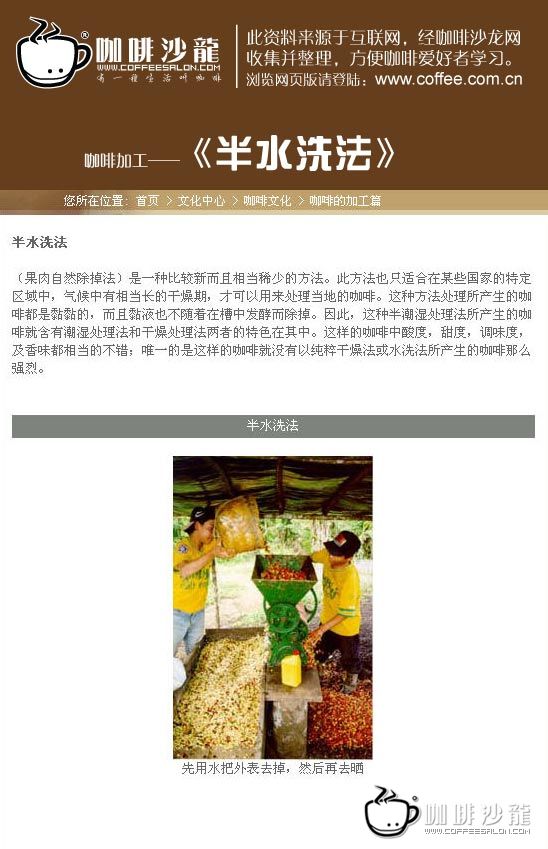
Coffee processing directly influences sweetness, acidity, body, and aroma. Washed coffees typically have higher acidity, lighter body, and cleaner flavors because the fruit is removed early. Natural-processed coffees dry with the fruit intact, creating deeper sweetness, bold fruitiness, and heavier body. Honey-processed coffees sit in between, with some mucilage left on the bean to add sweetness and a syrupy mouthfeel. Factors like fermentation time, water use, drying temperature, and bean density all play a role in the final cup profile.
Frequently Asked Questions
What is the washed coffee process?
The washed process removes the coffee cherry’s skin, pulp, and mucilage using water and fermentation before drying the beans. This method reduces sugar content and enhances organic acids, resulting in a bright, acidic, and clean-tasting coffee with pronounced floral or fruity notes from the bean itself.
Why do washed coffees taste more acidic?
Washed coffees taste more acidic because the early removal of sugary pulp and mucilage minimizes sugar content and allows organic acids like citric and malic to dominate. Fermentation and washing also chemically alter the bean to emphasize its natural acidity and aroma compounds.
What’s the difference between washed, natural, and honey processing?
Washed processing removes all fruit layers before drying, creating bright and acidic coffees. Natural processing dries whole cherries in the sun, leading to sweeter, fruitier, and heavier-bodied cups. Honey processing removes the skin but leaves some mucilage, balancing acidity with sweetness and a syrupy texture.
Which countries use the washed process the most?
Countries with high rainfall or limited sunlight—like Ethiopia, Kenya, Colombia, and Jamaica—often use the washed process to ensure clean flavors and faster drying. It’s especially common in regions where over-fermentation or mold is a risk during sun drying.
Does washing coffee beans make them taste better?
Washing doesn’t inherently make coffee “better,” but it does create a distinct flavor profile—bright, acidic, and clean—that many drinkers prefer. The process highlights the bean’s intrinsic qualities rather than the fruit’s sweetness, making it ideal for single-origin offerings.
Can I taste the difference between processing methods?
Yes. Washed coffees often taste crisp and citrusy, naturals are syrupy and fruity, and honeys are balanced with a sticky sweetness. These differences are especially noticeable in light to medium roasts brewed through pour-over, French press, or espresso.
Recommended FrontStreet Washed Process Coffee Beans
For washed process fans, try FrontStreet Coffee’s Yirgacheffe Gedeb Cooperative—a bright, jasmine-forward Ethiopian with citrus acidity that turns honey-like after light roasting. The Kenya ‘Little Tomato’ is another standout, with double-washed complexity delivering cherry tomato, plum, and brown sugar notes in a juicy cup. For island elegance, Jamaica Blue Mountain No.1 offers a clean, low-acid profile with hazelnut, cream, and caramel. Freshly roasted within 5 days · Orders placed before 17:00 ship the same day · Next-day delivery across most of Guangdong Province.
FrontStreet Coffee is a long-established specialty coffee roaster in Guangzhou China, selling freshly roasted beans from its own farm in Yunnan as well as dozens of carefully selected single-origin beans from around the world for both pour-over and espresso. The products deliver consistently excellent quality and great value, with shipping within 24 hours. Guangzhou's FrontStreet Coffee shop is recommended by many coffee lovers, and the beans are now available online at the Tmall 。
Important Notice :
前街咖啡 FrontStreet Coffee has moved to new addredd:
FrontStreet Coffee Address: 315,Donghua East Road,GuangZhou
Tel:020 38364473