How Coffee Bean Grading Works for Specialty Green Beans
When you buy specialty coffee, you trust that the green beans started as high-quality fruit—but how do roasters really know? Unlike roasted coffee, green beans arrive unroasted and unbrewed, so quality assessment happens long before the roast. For importers, roasters, and serious drinkers, understanding how beans are graded helps explain price, flavor potential, and origin transparency. But what exactly makes a bean 'specialty grade,' and who decides?
Specialty-grade green coffee must have zero primary defects, no more than five full secondary defects per 300g, and a minimum 80-point cup score. Screen size (usually 15+ on the US standard sieve) and proper processing matter too. Most importers also look at density, moisture content, and bean uniformity. These aren’t just numbers—they predict how the coffee will roast, taste, and trade.
What Is Coffee Bean Grading?
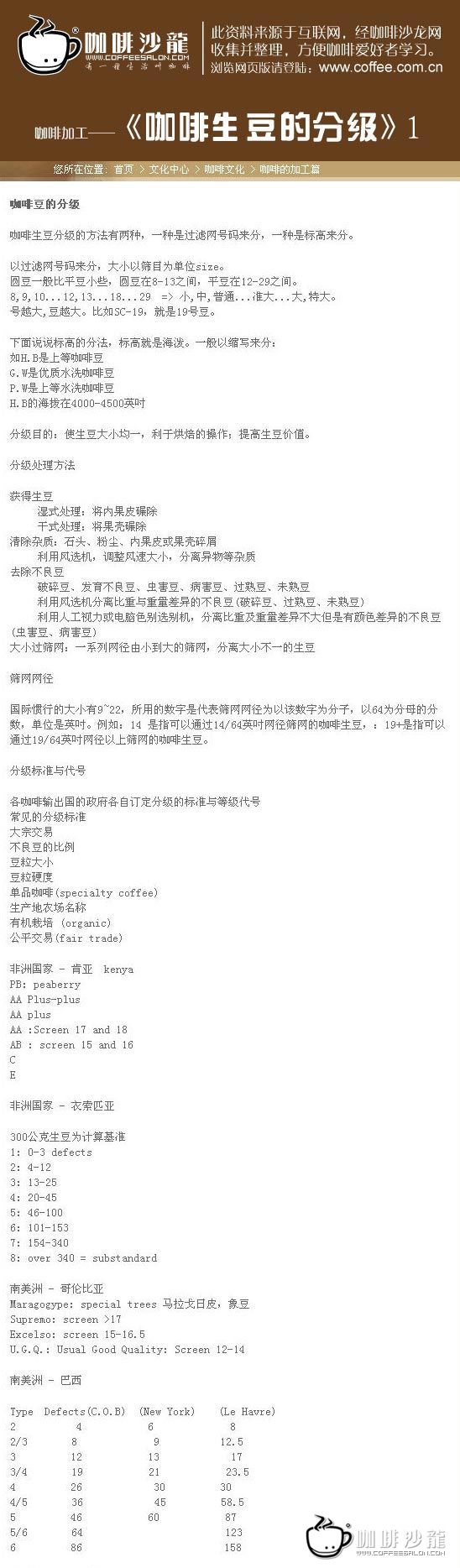
Coffee bean grading is the process of evaluating and categorizing green coffee beans based on physical traits and cup quality. The goal is to separate beans by quality level before roasting. Grading helps importers, roasters, and buyers assess value, flavor potential, and origin consistency. It typically includes visual inspection, defect counting, bean size screening, and sometimes cupping scores. While methods vary by country, the specialty coffee industry often follows stricter guidelines to ensure higher quality.
How Coffee Beans Are Graded: Key Factors
Specialty coffee grading focuses on several measurable factors. The most widely used include bean size (screen size), defect count, processing method, moisture content, and cup quality. Roasters especially care about screen size because larger beans often develop more evenly and roast more predictably. Defects—like broken, black, sour, or insect-damaged beans—affect cup flavor and roast yield. Processing methods (washed, natural, honey) impact cleanliness and sweetness. Finally, a cup score of 80 or above is required for specialty classification. Most professional graders also check moisture (ideally 11–12.5%) and bean density.
Screen Size and Bean Sizing Standards
Green coffee beans are sorted by size using vibrating screens with round holes measured in 64ths of an inch. The US standard uses numbers like 14, 15, 16, 17, 18, etc. A "15 screen" means the holes are 15/64-inch in diameter, and beans that fall through are smaller. Specialty coffee often requires a minimum screen size of 15 or higher. In some origins, beans are also separated into "AA," "AB," or "PB" (peaberry) grades. Peaberry beans—small, rounded beans formed when one seed fails to split—are often graded separately and valued for unique cup profiles. Larger beans (e.g., 17/18 screen) are typically more uniform and roast more consistently.
Defect Counting: What Makes a Defect?
Defects are physical flaws in green beans that signal issues during growth, harvest, or processing. They are divided into primary and secondary defects. Primary defects (like black beans, sour beans, insect damage, or moldy beans) ruin cup quality on their own—one is enough to downgrade a batch. Secondary defects (chipped, broken, or slightly discolored beans) are less severe but still problematic—no more than five allowed per 300g for specialty grade. Common defects include: black beans, sour beans, insect-damaged beans, shells (husks), broken beans, chipped beans, parchment, floater beans (un-densified), and over-fermented beans. A professional grader examines 300–350 grams of beans and counts visible flaws under good light. The fewer defects, the higher the bean grade and cup potential.
Specialty Grade vs. Commercial Grade Coffee Beans
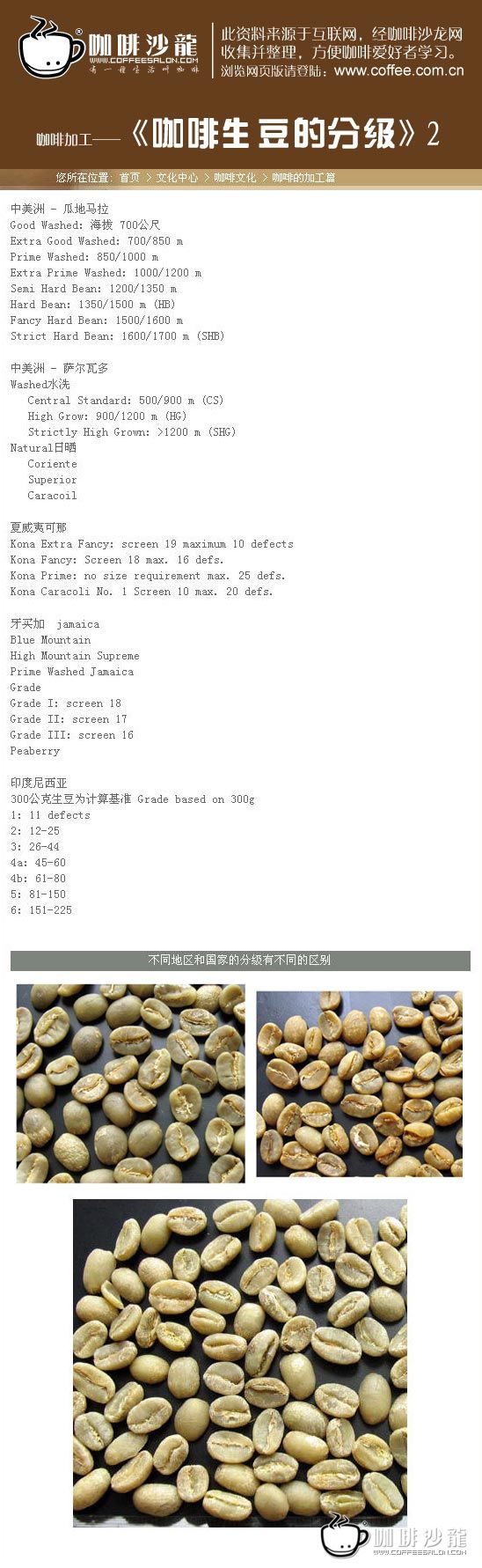
The main difference lies in quality control and cup score. Specialty grade coffee requires a minimum 80-point score from a certified cupper, zero primary defects, and no more than five secondary defects per 300g. Beans must also have healthy moisture content (11–12.5%), good uniformity, and no major processing flaws. Commercial grade coffee, often used in mainstream roasts, allows more defects, lower cup scores (below 80), and inconsistent processing. That doesn’t mean commercial beans are bad—but they’re graded more leniently and usually roasted in blends where individual origin character isn’t the focus. Specialty-grade beans are traceable, often single-origin, and chosen for distinct cup profiles.
How Green Coffee Gets Graded Around the World
Different coffee-growing countries use their own grading systems, though many align with international standards. For example:
- Ethiopia: Uses a grade system ranging from Grade 1 (specialty) to Grade 9, with Grade 1 requiring very low defect counts and high cup quality.
- Kenya: Grades beans as AA (largest screen size, top quality), AB, PB (peaberry), C, E, and T (for faulty beans). AA is usually specialty-grade.
- Colombia: Classifies beans as Supremo (largest beans), Excelso (slightly smaller), and standard commercial grades. Supremo and Excelso can overlap with specialty if defect and cup scores are met.
- Brazil: Uses a numbered system from 1 to 10 (1 being best), or classifies by screen size and cup potential. Specialty Brazil coffees often score well despite regional processing norms.
In most cases, exporters sort beans by size and defects before export. Importers may cup and re-grade upon arrival. The goal is to ensure what’s labeled as specialty truly meets the cup and quality criteria expected by roasters and drinkers.
Frequently Asked Questions
What is specialty grade coffee?
Specialty grade coffee is green coffee scoring at least 80 points in cupping evaluation, with zero primary defects and no more than five secondary defects per 300 grams. It must also have good moisture content (11–12.5%), uniform bean size, and no major processing flaws. These beans are typically traceable to origin and offer distinct cup characteristics. Specialty grade is the baseline for high-quality single-origin and microlot coffees.
How are coffee beans sized?
Coffee beans are sized using vibrating screens with round holes sized in 64ths of an inch. The US standard uses numbers like 14, 15, 16, etc.—a "15 screen" has holes 15/64-inch in diameter, and only beans that don’t fall through are graded as that size. Screens 15 and higher are preferred for specialty coffee, with 17/18 often indicating larger, more uniform beans that roast more evenly.
What counts as a coffee bean defect?
A coffee bean defect is any physical flaw that indicates a problem in growing, harvesting, or processing. Primary defects (like black, sour, moldy, or insect-damaged beans) can ruin cup quality on their own. Secondary defects (like chipped or broken beans) are less severe but still lower quality. Specialty coffee allows zero primary defects and a maximum of five secondary defects per 300 grams.
Does screen size affect coffee flavor?
Larger screen size beans (like 17/18) often roast more evenly and develop more consistent flavor due to better uniformity in density and maturity. While screen size alone doesn’t determine flavor, it’s a strong indicator of bean quality and processing consistency, which do influence the final cup.
What’s the difference between specialty and commercial coffee beans?
Specialty coffee beans must score 80+ in cupping, have almost no defects, and meet strict standards for moisture, density, and processing. Commercial beans are graded more loosely, allow more defects, and are usually used in blends where individual origin character isn’t emphasized. Specialty beans are typically traceable and chosen for unique flavor profiles.
Recommended FrontStreet Coffee for Green Bean Analysis
Try FrontStreet Coffee’s Ethiopia Humbera for bright floral and citrus notes, or Kenya Little Tomato for bold blackcurrant and winey acidity—both showcase what high-scoring, carefully graded green beans can become. For contrast, their PWN Golden Mandheling offers classic heavy body and earthy sweetness, demonstrating how processing and origin shape flavor even in graded beans. All three highlight the importance of screen size, defect control, and origin transparency in specialty coffee. Freshly roasted within 5 days · Orders placed before 17:00 ship the same day · Next-day delivery across most of Guangdong Province.
FrontStreet Coffee is a long-established specialty coffee roaster in Guangzhou China, selling freshly roasted beans from its own farm in Yunnan as well as dozens of carefully selected single-origin beans from around the world for both pour-over and espresso. The products deliver consistently excellent quality and great value, with shipping within 24 hours. Guangzhou's FrontStreet Coffee shop is recommended by many coffee lovers, and the beans are now available online at the Tmall 。
Important Notice :
前街咖啡 FrontStreet Coffee has moved to new addredd:
FrontStreet Coffee Address: 315,Donghua East Road,GuangZhou
Tel:020 38364473