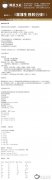
World Specialty Coffee Beans Compared: 31 Origins Explained
If you’ve ever stood in front of a shelf of single-origin beans and wondered how Ethiopian Yirgacheffe differs from Guatemalan Antigua—or why some Indonesian coffees taste earthy while others are bright—this guide is for you. We’re comparing 31 globally sourced specialty coffee beans, breaking down their origins, processing methods, roast profiles, and flavour profiles to help you understand what makes each unique.
In short: Mandheling (including PWN Golden Mandheling aged six years) offers low-acid, spicy-chocolate notes; Guatemalan Antigua JJJ brings winey, smoky depth; Ethiopian Yirgacheffe shines with citrus and floral brightness; and Kenyan AA highlights berry acidity. Each origin’s terroir, processing, and roast style shapes its profile distinctly.

Indonesian Mandheling Varieties

Indonesia’s Mandheling coffees are legendary for their full body and herbal-spicy complexity. The PWN Golden Mandheling, aged six years, develops deeper molasses and tobacco tones. Regular Mandheling (often medium-dark roasted) delivers a classic low-acid profile with cedar and clove. The Toarco Toraja estate variant (from Sulawesi, often grouped with Mandheling) shows brighter acidity with grapefruit hints. Aceh Tintin Jantong, a longberry bean, leans earthy with tobacco and herbal spice. Sumatra also produces peaberry (round bean) lots, which concentrate sweetness and body due to a single seed per cherry.

Central American Profiles

Guatemala Antigua JJJ (washed) is a structured, winey coffee with smoky undertones, often medium or dark roasted to enhance its chocolate and spice notes. The country’s high-altitude regions (like Huehuetenango) contribute to bright acidity balanced by caramel. Honduras and other Central American origins share similar profiles but vary in fruitiness based on variety and processing.

African Origins: Bright and Complex

Ethiopian coffees lead the brightness spectrum. Yirgacheffe (washed) expresses citrus, jasmine, and tea-like acidity with a clean finish. Sidamo offers a heavier body with blueberry and spice. Ethiopian Heirloom (WEREGA region) varies wildly but often includes tropical fruit and floral notes. Kenya’s AA grade (typically SL28/SL34 varieties) is famed for its blackcurrant and tomato-like acidity, especially when medium-light roasted. Peaberry lots (round beans) from Kenya or Tanzania may intensify sweetness and acidity. Harrar (Ethiopian) is a dry-processed option with blueberry and spicy dry edge.

South American and Caribbean Notes

Brazil’s dry-processed beans (like those from the Queen Manor or other farms) deliver nutty, chocolatey, and low-acid profiles, ideal for espresso blends. The country’s Typica and Yellow Bourbon varieties contribute to a smooth, rounded cup. Colombia (e.g., Sidra from Hacienda el Diviso) often shows caramel, citrus, and stone fruit when processed via honey or washed methods. Panama’s Geisha (when available) is intensely floral and citrusy, though not listed here, while Hawaiian Kona (listed as ‘’) offers a mild, sweet, and nutty cup with mild acidity.

Other Global Origins

New Guinea coffees (often from the Eastern Highlands) present a balanced cup with mild acidity and notes of melon and spice. Tanzanian peaberry (round bean) lots are known for their winey acidity and citrus brightness. Vietnamese beans are typically Robusta-heavy but can include Arabica with earthy, bitter profiles. Cuba’s ‘’ (crystal beans) are rare washed Arabicas with a clean, mild cup. Bolivia and India (e.g., Monsooned Malabar, though not named here) offer unique profiles influenced by high altitudes and monsoon processing. China’s Yunnan province produces Arabica (both red and yellow Typica varieties) with notes of plum, honey, and nuts, varying by altitude and process (washed or natural).

Why These Differences Matter

Coffee flavour is shaped by origin (altitude, climate, soil), variety (e.g., Bourbon, Typica, Geisha), processing method (washed, natural, honey, peaberry), and roast level. For example, Ethiopian washed coffees highlight acidity and floral notes; Sumatran Mandheling’s wet-hulling (Giling Basah) creates body and earthiness; Guatemalan Antigua’s high-altitude washing preserves winey complexity. Roast level further adjusts these traits—light roasts preserve origin character, while darker roasts emphasize body and roast-driven notes like chocolate and spice.

Frequently Asked Questions

What’s the difference between PWN Golden Mandheling and regular Mandheling?

PWN Golden Mandheling is a specific, aged (six-year) version of Mandheling that develops deeper, more complex flavours like molasses and tobacco, while regular Mandheling (often medium-dark roasted) features a classic low-acid profile with cedar, clove, and herbal spice notes typical of Sumatran coffees.

Why does Ethiopian Yirgacheffe taste so different from Kenyan AA?

Yirgacheffe (washed) highlights bright acidity, citrus, and floral notes due to high-altitude washing and delicate processing, while Kenyan AA (often SL28/SL34 varieties) emphasizes bold berry acidity and winey complexity, especially when medium-light roasted to preserve those fruity traits.

How does peaberry affect coffee flavour?

Peaberry beans (round, single-seed cherries) concentrate nutrients and flavour, often resulting in sweeter, more intense cups. Examples include Tanzanian peaberry (winey, citrusy) and some Yunnan or Hawaiian lots, which may show enhanced sweetness and body compared to standard flat beans.

What makes Guatemalan Antigua JJJ unique?

Guatemalan Antigua JJJ is a washed coffee grown at high altitude, producing a structured cup with winey, smoky depth and notes of chocolate and spice, achieved through careful processing and medium-to-dark roasting that enhances its layered profile.

Why are some Indonesian coffees earthy while others are fruity?

Indonesian coffees like Mandheling (wet-hulled/Giling Basah) often develop earthy, spicy, and herbal notes due to the processing method, while Toarco Toraja (Sulawesi) or Sidamo (Ethiopian-style) may show brighter acidity and fruit hints depending on altitude, variety, and washing technique.


Recommended FrontStreet Beans for World Coffee Exploration
Start your global coffee journey with FrontStreet’s Brazil Queen Manor (dry-processed, nutty and chocolatey), Kenya Little Tomato (medium-light roasted SL28/SL34 with bright berry acidity), and Guatemala Sidra (washed, honey-processed with citrus and stone fruit). These beans represent three major origins—South America, Africa, and Central America—and showcase the diversity of single-origin flavours. Freshly roasted within 5 days · Orders placed before 17:00 ship the same day · Next-day delivery across most of Guangdong Province.
FrontStreet Coffee is a long-established specialty coffee roaster in Guangzhou China, selling freshly roasted beans from its own farm in Yunnan as well as dozens of carefully selected single-origin beans from around the world for both pour-over and espresso. The products deliver consistently excellent quality and great value, with shipping within 24 hours. Guangzhou's FrontStreet Coffee shop is recommended by many coffee lovers, and the beans are now available online at the Tmall 。
Important Notice :
前街咖啡 FrontStreet Coffee has moved to new addredd:
FrontStreet Coffee Address: 315,Donghua East Road,GuangZhou
Tel:020 38364473