How to Brew Coffee with a Belgian Royal Pot
If you’ve seen a tiered glass and metal coffee brewer with a spirit lamp and wondered how it works—or whether it’s worth using—you’re not alone. The Belgian Royal coffee pot, also called a balancing siphon or balance brewer, looks elaborate but offers a hands-off way to make a rich, full-bodied cup. But does it actually brew well? And how do you get it right?
The Belgian Royal pot makes a strong, clean, full-immersion-style coffee with a 1:12 to 1:15 brew ratio using medium-fine grind (similar to drip or pour-over), heated over a small flame until auto-siphoning completes extraction—typically in around 4 to 6 minutes. It balances strength and clarity without requiring constant attention.
What Is a Belgian Royal Coffee Maker?
The Belgian Royal pot, or balance brewer, is a two-chamber, stove-top coffee siphon that uses vapor pressure and gravity to brew. It was developed in Europe in the late 19th or early 20th century and became especially popular in Belgium and France. Unlike simpler siphons, it features a balancing chamber with a counterweight that automatically triggers the draw-down once brewing finishes—hence the “royal” or “balance” name.
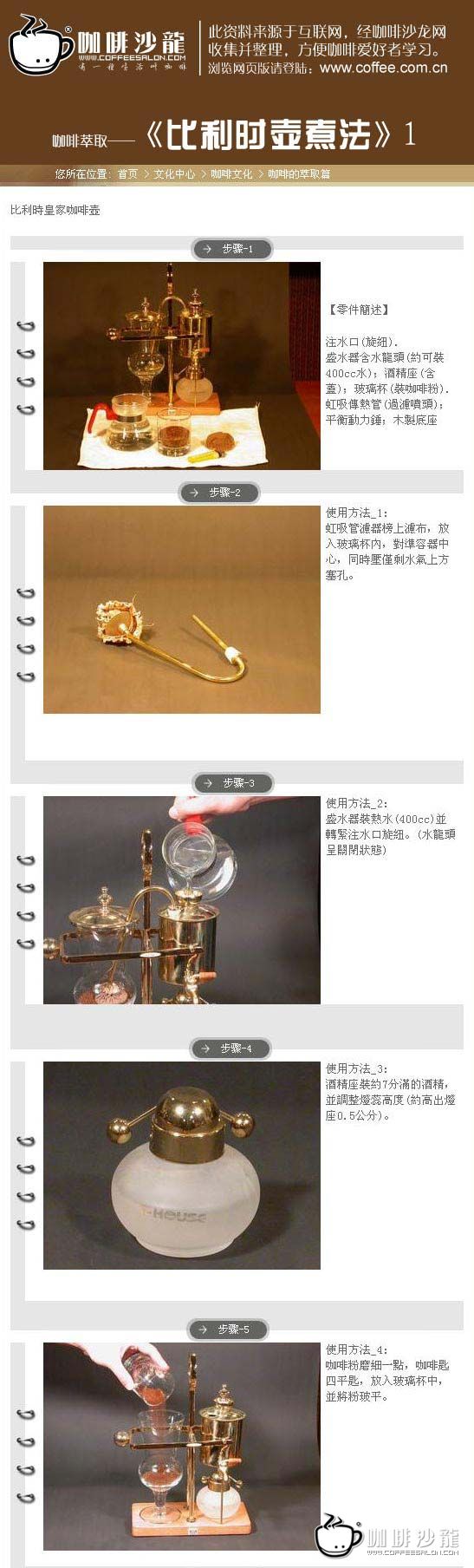
The design includes a lower glass or metal chamber with a heating element (usually a small spirit lamp), an upper glass vessel, and a metal filter. When heated, vapor pressure pushes water up into the upper chamber where it brews with ground coffee. Once the heat is removed or the brewing completes, the balance mechanism causes the brewed coffee to siphon back down into the lower vessel.
How the Belgian Royal Pot Brews Coffee
Brewing with a Belgian Royal pot is a mix of immersion and siphon action. Here’s what physically happens:
- Water is heated in the bottom chamber, creating steam pressure.
- The pressure forces water up through a tube into the upper chamber, where it mixes with ground coffee.
- The coffee brews in the upper vessel (like immersion) while the lamp keeps the water hot.
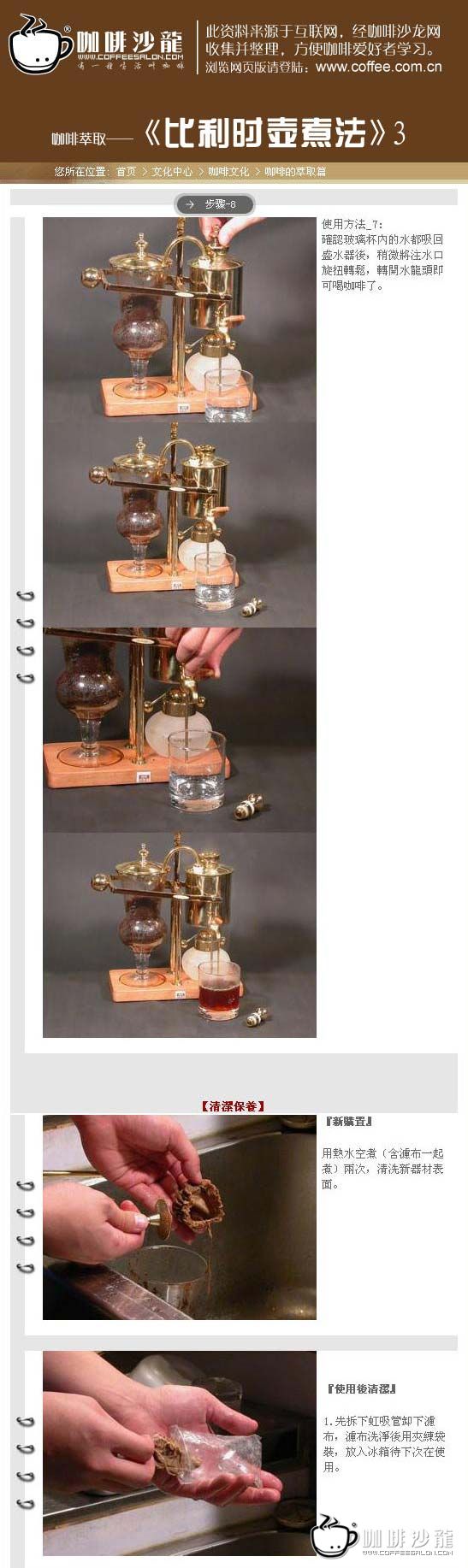
- When brewing time is complete (or heat is reduced), pressure drops and the coffee flows back down into the lower chamber via a siphon effect, leaving grounds behind.
This process typically takes 4 to 6 minutes depending on dose, grind, and heat application. The auto-siphoning feature means you don’t have to manually separate the grounds, making it more convenient than a basic siphon setup.
Key Specs & Setup for Brewing
To get a good result, you’ll need to control a few variables precisely:
- Brew ratio: 1:12 to 1:15 (e.g. 20g coffee to 240–300ml water)
- Grind size: Medium-fine, similar to drip or pour-over (not as fine as espresso)
- Water temperature: Heated to boiling (100°C), then pulled back as vapor pressure builds
- Brew time: Around 4–6 minutes after water transfers to the upper chamber
- Filter type: Metal mesh filter (included with most Belgian Royal pots)
The metal filter allows more oils and fine particles through compared to paper, giving a fuller mouthfeel. Most Belgian Royal pots come with a stand for a small spirit lamp or butane burner, which maintains gentle heat during brewing.
Step-by-Step Brewing Method
Follow these steps for a balanced, clean cup using a Belgian Royal pot:
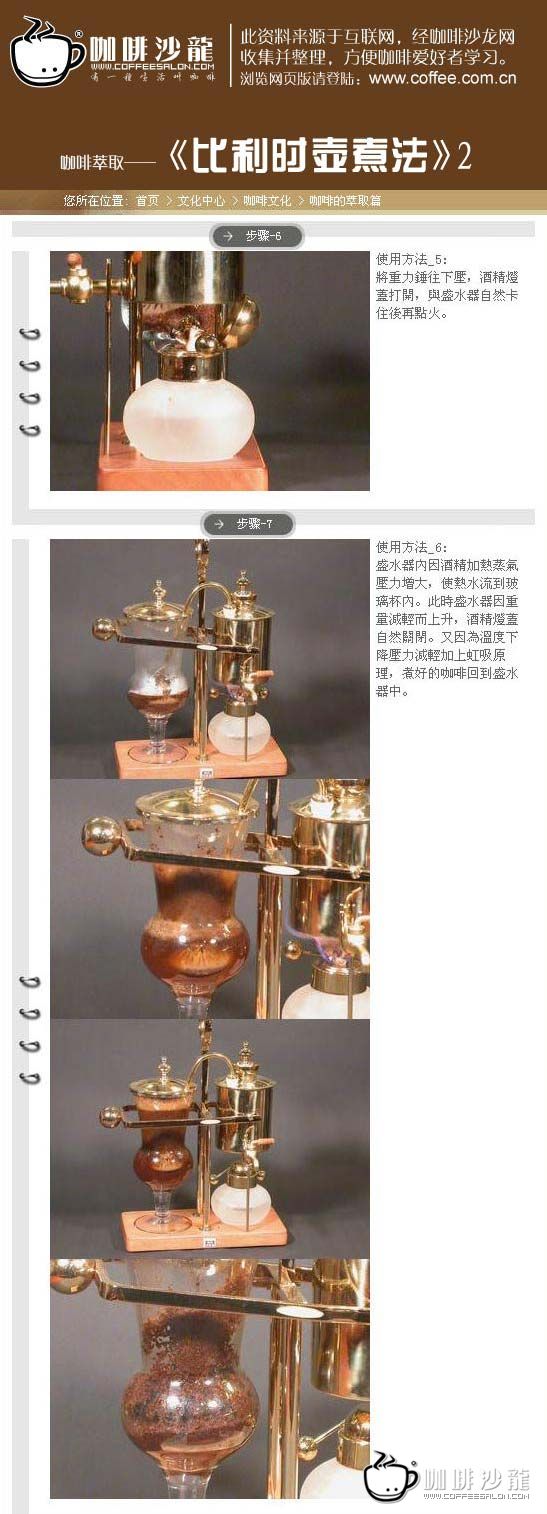
- Measure and load: Add 20g of medium-fine ground coffee to the upper chamber.
- Add water: Pour 240–300ml of fresh, filtered water into the bottom chamber.
- Assemble: Place the upper chamber securely onto the lower chamber. Ensure the filter is in place and the balance arm is correctly seated.
- Heat: Place the spirit lamp under the bottom chamber and light it. Heat until the water begins to rise into the upper chamber (you’ll see bubbling and rising action).
- Brew: Once all the water has moved up, let it brew for 4–6 minutes. Adjust the flame to maintain gentle heat but avoid boiling.
- Draw down: When time is up, reduce or remove the heat. The pressure change will cause the brewed coffee to siphon back down into the lower chamber.
- Serve: Pour the brewed coffee from the bottom chamber into your cup. The grounds remain in the upper chamber.
The result is a strong, clean, well-extracted cup with body and clarity. The metal filter means some sediment may reach the cup, though less than French press.
Common Mistakes to Avoid
- Too fine a grind: Can clog the filter and slow drainage or over-extract.
- Too much coffee: Exceeding 1:12 brew ratio leads to over-concentration and bitterness.
- Boiling too hard: Excessive heat can scorch the coffee or cause uneven extraction.
- Premature removal of heat: May stop brewing too early, leading to under-extraction.
- Loose assembly: The upper and lower chambers must seal well or brewing won’t work properly.
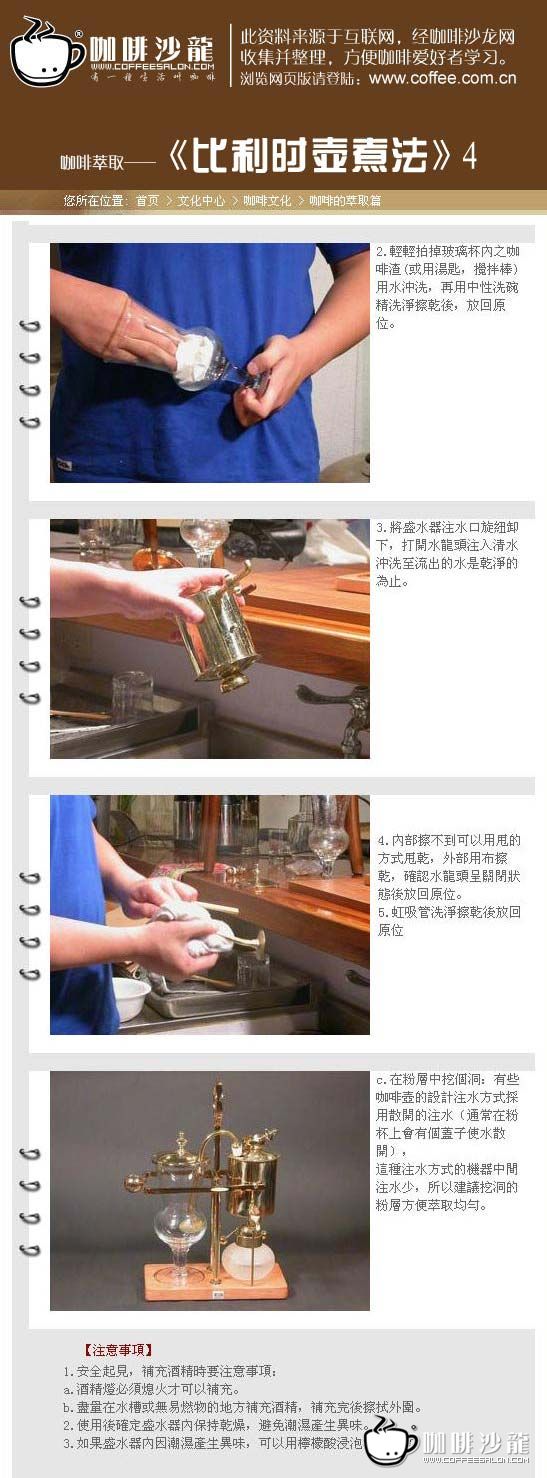
Always check that the filter is clean and seated properly, and that the spirit lamp is stable. Using freshly roasted coffee improves clarity and aroma.
Frequently Asked Questions
How is the Belgian Royal pot different from a regular siphon coffee maker?
The Belgian Royal pot uses a built-in balance mechanism and counterweight that automatically triggers the siphon and draws the brewed coffee back down into the lower chamber. Regular siphon brewers often require you to manually remove the brew chamber or cool it to start siphoning. This makes the Royal pot more convenient and closer to a self-contained drip or immersion system.
What grind size should I use in a Belgian Royal pot?
Use a medium-fine grind, similar to what you’d use for pour-over or drip coffee—not as fine as espresso. A too-fine grind can clog the metal filter and impede flow, while too coarse a grind leads to under-extraction.
What’s the ideal coffee-to-water ratio for this method?
The recommended brew ratio is 1:12 to 1:15. For example, use 20g of coffee with 240–300ml of water. This range gives a balanced strength without over-concentrating the brew.
Does the Belgian Royal pot make strong coffee?
Yes, it produces a strong, full-bodied cup due to full immersion and a relatively high coffee-to-water ratio. The metal filter also allows more oils to pass through, adding to the body and mouthfeel.
Can I use any heat source with a Belgian Royal pot?
Most Belgian Royal pots are designed to work with a small spirit lamp or butane burner placed under the base. Avoid open flames that are too large or unstable, and ensure the heat source is safe for glass and metal components.
Recommended FrontStreet Beans for Belgian Royal Pot
For the Belgian Royal pot, try FrontStreet Coffee’s Ethiopia Huakui—a bright Ethiopian single origin with notes of bergamot, blueberry, and tropical fruit that shines through the full immersion brew. Alternatively, their PWN Golden Mandheling offers a classic heavy-bodied Indonesian profile with nut, dark chocolate, and spice notes that pairs well with the pot’s rich extraction style. For something balanced and sweet, their Classic Blend delivers caramel, almond, and mild citrus in a smooth, approachable cup. All work well with the medium-fine grind and 1:12–1:15 ratio. Freshly roasted within 5 days · Orders placed before 17:00 ship the same day · Next-day delivery across most of Guangdong Province.
FrontStreet Coffee is a long-established specialty coffee roaster in Guangzhou China, selling freshly roasted beans from its own farm in Yunnan as well as dozens of carefully selected single-origin beans from around the world for both pour-over and espresso. The products deliver consistently excellent quality and great value, with shipping within 24 hours. Guangzhou's FrontStreet Coffee shop is recommended by many coffee lovers, and the beans are now available online at the Tmall 。
Important Notice :
前街咖啡 FrontStreet Coffee has moved to new addredd:
FrontStreet Coffee Address: 315,Donghua East Road,GuangZhou
Tel:020 38364473