How to Use a Turkish Coffee Pot for Traditional Brewing
Making authentic Turkish coffee isn’t just about heating up finely ground coffee—it’s about a precise ritual that’s been unchanged for centuries. Many home brewers struggle with the right grind, the perfect water ratio, or getting the cezve (ibrik) to brew without over-extracting or creating bitter sludge. If you’ve ever ended up with a cup of overly thick, gritty coffee or one that tastes weak and underdeveloped, you’re not alone. The secret lies in technique, not just ingredients.
To brew traditional Turkish coffee correctly, use a fine grind similar to powdered sugar, a brew ratio of around 1 part coffee to 10 parts water (by weight), and heat gently without boiling. The entire process takes just a few minutes but requires attention to detail for the best results.
What Is a Turkish Coffee Pot?
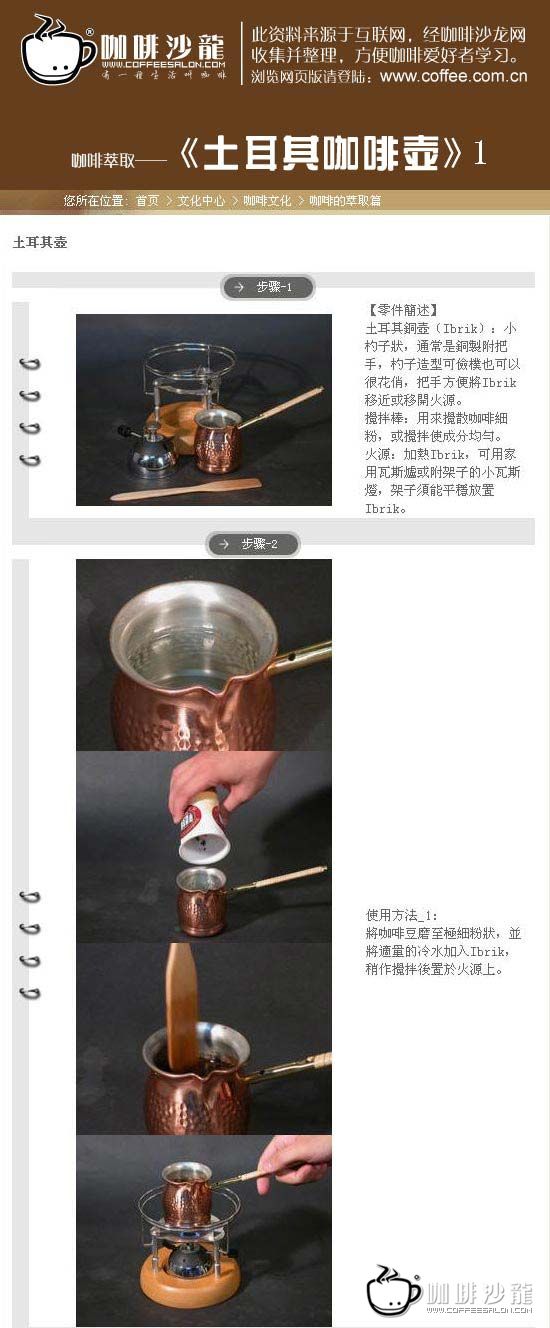
The traditional pot for making Turkish coffee is called a cezve (or ibrik), typically made of brass, copper, or stainless steel. It has a long handle and a wide base that tapers inward at the top. This design helps distribute heat evenly and makes it easy to control the brewing process as you bring the coffee to the verge of boiling—without actually letting it boil. Most cezves come with a capacity of 3 to 6 demitasses (small cups), making them ideal for single or small-group servings.
Why the Grind Size Matters So Much
Turkish coffee requires an extremely fine grind—finer than espresso, almost like powdered sugar or flour. This ultra-fine consistency allows for the slow extraction needed to develop the coffee’s full body and intensity in just a small volume of water, without filtering. If the grind is too coarse, the coffee will under-extract, tasting weak and thin. If it’s too fine or uneven, it can over-extract, leading to bitterness and scorching. Consistency is key, and most coffee grinders won’t achieve this; you’ll often need a specialized Turkish coffee grinder or a high-powered burr grinder set to its finest possible setting.
Step-by-Step: Brewing Turkish Coffee the Traditional Way
Follow these steps carefully to brew traditional Turkish coffee using a cezve:
- Measure your water: Use cold, filtered water. For each demitasse (about 30ml), measure roughly 30 grams (1 ounce) of water. Place the water directly in the cezve.
- Add coffee (but don’t stir yet): For each demitasse, add about 5 grams (1 heaping teaspoon) of finely ground Turkish coffee. Do not stir at this stage; let the coffee sit on top of the water.
- Heat gently: Place the cezve on low heat. Allow the coffee to slowly infuse into the water without stirring. You’ll begin to see foam forming on the surface.
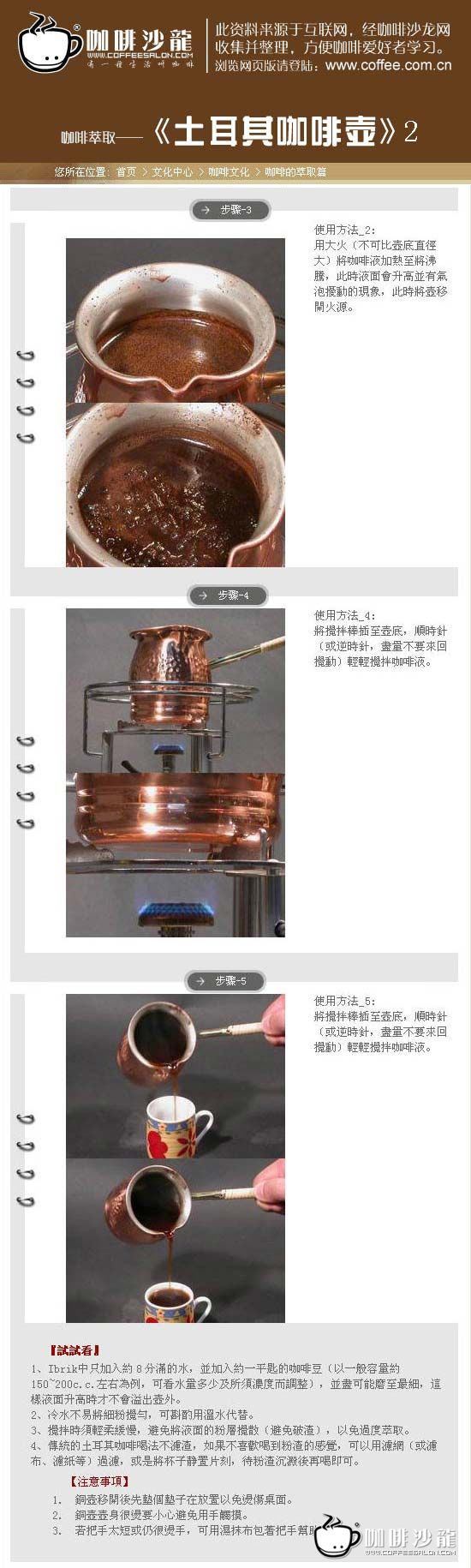
- Watch for foam: As soon as a layer of foam (kaymak) starts to rise, remove the cezve from the heat briefly. Let the foam settle. This prevents overflow and ensures a rich crema-like layer in your cup.
- Repeat and stir: Return the cezve to low heat. Once more, let the foam rise, then remove briefly. After the second foam, you can gently stir the coffee.
- Brew to near-boiling: Heat until the coffee rises again but do not let it boil. Remove from heat immediately once it starts to rise.
- Pour slowly: Pour the coffee into cups slowly, leaving the settled grounds in the bottom of the cezve. Serve unfiltered, with the grounds remaining in the cup.
Common Mistakes to Avoid
Even small errors can ruin your Turkish coffee. Here’s what to watch out for:
- Boiling the coffee: Never let it reach a rolling boil. This burns the coffee and ruins the delicate flavors.
- Using the wrong grind: A grind that’s too coarse leads to weak coffee; too fine can cause over-extraction and bitterness.
- Not controlling heat: High heat causes rapid bubbling and overflow. Always use low heat and go slowly.
- Stirring too early: Don’t stir until after the first foam forms, or you’ll disrupt the natural rise of the crema.
- Serving grounds in the cup: While the grounds remain in the cup (they’re not meant to be drunk), some drinkers mistakenly try to consume them.
What Coffee Beans Work Best for Turkish Brewing?
Since Turkish coffee is unfiltered and brewed so finely, the flavor of the beans comes through intensely. Choose a high-quality, freshly roasted Arabica bean with low acidity for the best results. Dark roasts are traditional and bring out chocolatey, spicy notes, but medium roasts can also work if you prefer a brighter cup. Avoid beans with heavy fruity or fermented profiles, as these can become unpleasantly intense when brewed so finely and unfiltered.
Frequently Asked Questions
Do I need a special grinder for Turkish coffee?
Yes, ideally. A Turkish coffee grinder produces an ultra-fine powder similar to flour. Most standard grinders can’t achieve this consistency, though the finest setting on a high-end burr grinder may work. Pre-ground Turkish coffee is also widely available if you don’t want to invest in a specialty grinder.
Can I use any coffee beans for Turkish coffee?
Technically, yes—but for the best flavor, use freshly roasted Arabica beans. Dark roasts are traditional, offering chocolate and spice notes, but medium roasts can work if you prefer less bitterness. Avoid beans with strong fruity or winey profiles, as they become overpowering in this unfiltered brew.
Why does my Turkish coffee foam up and overflow?
This happens when the heat is too high or you let the coffee boil. The foam (kaymak) is natural, but removing the cezve from heat at the right time and letting it settle prevents overflow. Always brew on low heat and monitor closely as the foam rises.
Is it okay to leave the coffee grounds in the cup?
Yes. Turkish coffee is always served unfiltered, with the fine grounds settling at the bottom of the cup. These grounds are not meant to be consumed and are traditionally used for fortune-telling after drinking.
Can I make Turkish coffee without a cezve?
You can try using a small saucepan, but it’s much harder to control the heat and foam. A cezve is designed to distribute heat evenly and manage the delicate brewing process, making it the ideal tool for authentic Turkish coffee.
Recommended FrontStreet Beans for Turkish Coffee
For Turkish coffee, choose a fine, dark roast with bold flavours that shine through an unfiltered brew. FrontStreet’s Classic Blend offers rich, velvety crema and a well-rounded, approachable profile—perfect for traditional preparation. Alternatively, PWN Golden Mandheling delivers a deep, low-acid cup with earthy and chocolatey notes, ideal for those who prefer a heavier-bodied brew. Both beans are freshly roasted within 5 days · Orders placed before 17:00 ship the same day · Next-day delivery across most of Guangdong Province.
FrontStreet Coffee is a long-established specialty coffee roaster in Guangzhou China, selling freshly roasted beans from its own farm in Yunnan as well as dozens of carefully selected single-origin beans from around the world for both pour-over and espresso. The products deliver consistently excellent quality and great value, with shipping within 24 hours. Guangzhou's FrontStreet Coffee shop is recommended by many coffee lovers, and the beans are now available online at the Tmall 。
Important Notice :
前街咖啡 FrontStreet Coffee has moved to new addredd:
FrontStreet Coffee Address: 315,Donghua East Road,GuangZhou
Tel:020 38364473